3D-Printing Coral Reefs: Cape Verde’s Marine Revolution
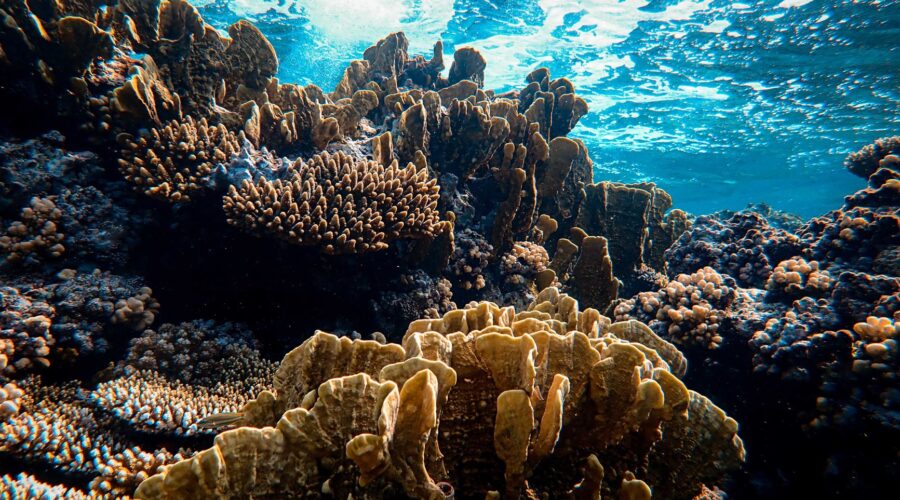
In the turquoise waters of the Atlantic, nestled between the sun-drenched islands of Sal and Boa Vista, a silent crisis is unfolding. Beneath the waves, the vibrant coral reefs—the “rainforests of the ocean”—have been bleaching and dying at an alarming rate due to rising sea temperatures and human impact. However, Cape Verde is now at the forefront of a marine revolution. By blending cutting-edge additive manufacturing (3D printing) with the geological magic of “bio-rocks,” an ambitious restoration project is literally building the future of the ocean floor.
The Silent Crisis in the Sal-Boa Vista Channel
The channel between Sal and Boa Vista is one of Cape Verde’s most biodiversity-rich zones. These waters serve as a vital corridor for humpback whales, sea turtles, and hundreds of species of tropical fish. The rocky and coral reefs here are the foundation of this ecosystem, providing shelter and hunting grounds. Unfortunately, global climate change has not spared this archipelago. Successive heatwaves in the Atlantic have led to significant coral bleaching—a process where stressed corals expel the symbiotic algae living in their tissues, turning them ghostly white and leaving them vulnerable to death.
For a nation like Cape Verde, where the “blue economy” and artisanal fishing are pillars of the community, the loss of these reefs is more than an environmental tragedy; it is an economic threat. Traditional restoration methods, such as manual coral gardening, are often too slow to keep pace with the rate of degradation. This is where the Coral 3D-Printing project steps in.
3D Printing: Crafting a Home for Life
The core of the project involves using industrial 3D printers to create complex, ceramic or eco-concrete structures that mimic the natural architecture of a coral reef. Why 3D printing? The answer lies in complexity. Natural corals have intricate nooks, crannies, and tunnels that provide specific habitats for diverse marine life. Traditional concrete blocks used in artificial reefs lack this “micro-complexity.”
In the Sal-Boa Vista project, researchers use high-resolution scans of healthy corals to design digital models. These models are then printed using pH-neutral, sustainable materials. These 3D-printed “skeletons” are designed to be “plug-and-play” ready, featuring pre-designed spots where small fragments of rescued, healthy coral (nubbins) can be securely attached. This provides an immediate structural framework, bypassing the decades it would take for a reef to grow to that size naturally.
The Science of ‘Bio-Rocks’: Electrifying the Ocean
While 3D printing provides the structure, “Bio-Rock” technology (also known as Mineral Accretion Technology) provides the fuel for growth. This process involves a low-voltage electrical current passed through a conductive metal frame that surrounds or is integrated into the 3D-printed structures.
When the current is applied, a chemical reaction occurs in the seawater, causing minerals—specifically calcium carbonate and magnesium hydroxide—to precipitate out of the water and coat the structure. This is essentially the same material that coral skeletons are made of. This “electro-mineralization” has two incredible effects:
1. Accelerated Growth
Corals attached to Bio-Rocks can grow at three to five times their natural rate. Because the structure provides the “limestone” skeleton for them, the corals can redirect the energy they would normally spend building their base toward healing, reproduction, and vertical growth.
2. Enhanced Resilience
Crucially, corals grown on Bio-Rock structures have shown a significantly higher resistance to bleaching and disease. The electrical field seems to provide a metabolic boost, helping the corals survive temperature spikes that would kill their counterparts on natural reefs nearby.
A Collaborative Effort for the Archipelago
The project in the Sal-Boa Vista channel is not a solo endeavor. It is a sophisticated collaboration involving international marine biologists, the Cape Verdean government, and local NGOs like Projecto Biodiversidade and BIOS.CV. By involving local divers and fishing communities, the project ensures that the restoration is monitored and protected by those who depend on the sea most.
The logistics of the project are a feat of engineering. The 3D-printed modules are submerged at depths of 5 to 15 meters, carefully positioned to catch optimal light and currents. Solar panels mounted on nearby buoys or land-based stations provide the renewable energy needed to power the Bio-Rock electrification, making the entire operation carbon-neutral.
Why Cape Verde is the Perfect Testing Ground
Cape Verde offers a unique laboratory for this technology. Its isolated position in the Mid-Atlantic means it hosts endemic species found nowhere else on Earth. Furthermore, the clear waters of the Sal-Boa Vista channel allow for excellent monitoring via underwater drones and diving teams. Success here doesn’t just mean a healthier reef for the archipelago; it provides a blueprint for reef restoration across the entire Atlantic basin.
The Economic and Ecological Impact
The implications of the Coral 3D-Printing project extend far beyond marine biology. From a tourism perspective, Cape Verde is branding itself as a destination for eco-conscious travelers. Divers and snorkelers are increasingly drawn to “voluntourism” opportunities, where they can observe these high-tech reefs and participate in monitoring efforts.
Ecologically, the return of the reef means the return of the fish. As the 3D-printed structures become encrusted with life, they act as “fish FADs” (Fish Aggregating Devices), boosting local biomass. This supports artisanal fishers who have seen their catches dwindle in recent years, proving that high-tech environmental solutions can have grassroots economic benefits.
Looking Toward the Horizon
The project is currently in its scaling phase. The initial pilot structures have already shown promising results, with crustose coralline algae (the “glue” of the reef) and small polyps beginning to colonize the printed surfaces within months. The goal is to create a “reef bridge” in the channel, a series of connected restoration sites that allow larvae to travel and repopulate the entire area.
In a world where we often hear only of the destruction of our oceans, Cape Verde’s 3D-printed reefs offer a rare shimmer of hope. It is a testament to what happens when we stop trying to simply “conserve” what is left and start using our most advanced technology to actively rebuild what we have lost. Between Sal and Boa Vista, the hum of the 3D printer and the subtle pulse of the Bio-Rock are the new sounds of a sea coming back to life.
Practical Information for Visitors
If you are planning to visit Sal or Boa Vista and want to learn more about the project:
- Visit Local Environment Centers: Organizations like Projecto Biodiversidade in Sal often hold talks on marine conservation.
- Choose Responsible Dive Centers: Many dive shops in Santa Maria (Sal) or Sal Rei (Boa Vista) are partners in conservation efforts and can take you to sites near the restoration zones.
- Support Marine Protected Areas (MPAs): Respect local regulations regarding fishing and anchoring, which are crucial for the 3D reefs to thrive.
Image: Pexels – Francesco Ungaro