2021 Cape Verde Census: Demographic Shifts & Praia’s Growth
In the heart of the eastern Atlantic, the ten volcanic islands of Cape Verde (officially Cabo Verde) are undergoing a profound transformation. While the nation has long been celebrated as one of Africa’s most stable and developed democracies, recent data from the 2021 Census has unveiled a significant shift in its internal landscape. As the population edges toward 530,000, the archipelago is witnessing a dramatic rural-to-urban migration, with the capital city, Praia, emerging as the dominant pulse of the nation.
A Nation on the Move: Key Findings from the 2021 Census
The 2021 Census results provided a comprehensive snapshot of a country in transition. For centuries, the Cape Verdean identity was rooted in its diverse islands—from the rugged mountains of Santo Antão to the volcanic peaks of Fogo. However, the latest demographic data highlights a consolidating trend: the concentration of the population onto a handful of islands, most notably Santiago.
According to the census, the island of Santiago is now home to 269,370 people, accounting for more than half of the national population. In contrast, islands like Santo Antão (36,632) and Fogo (33,519) have seen their demographic weight shift as younger generations seek opportunities in urban centers or abroad. This migration is driven largely by the country’s service-oriented economy, which lacks significant natural resources and relies heavily on tourism, foreign investment, and commerce—sectors that are primarily anchored in the cities.
The Rapid Rise of Praia
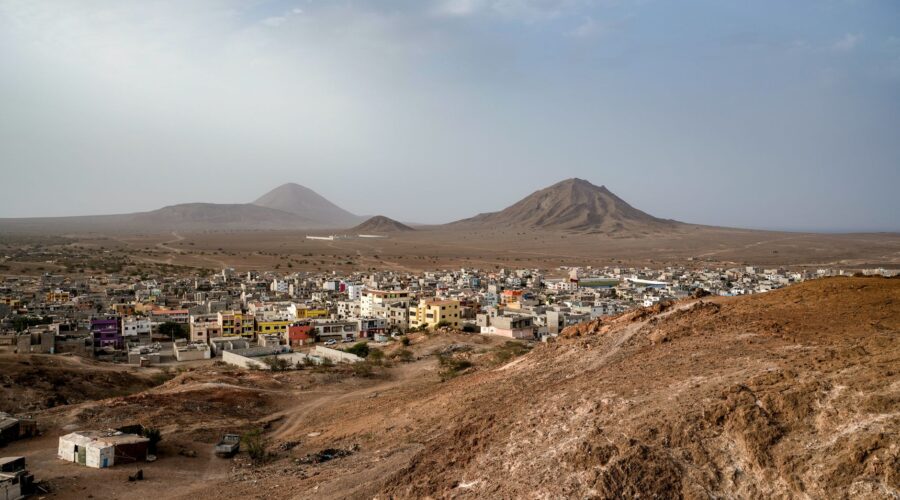
At the center of this demographic shift is Praia. With a recorded population of 137,868 in the 2021 Census, Praia is not just the capital; it is the nation’s primary economic and political engine. Since the 18th century, when it eclipsed the former capital, Cidade Velha, due to its superior defensive position and climate, Praia has steadily grown. But the growth in recent decades has been unprecedented.
The city’s rapid expansion is a double-edged sword. On one hand, it represents the modernization of Cape Verde, offering access to better healthcare, education, and international connectivity. On the other hand, the pace of growth presents significant urban planning challenges. As the population swells, the demand for housing, infrastructure, and sustainable water management—critical in a Sahelian climate—continues to rise.
The “Second City” and the Tourism Boom
While Praia leads the way, other urban centers are also evolving. Mindelo, located on the island of São Vicente, remains the cultural heart of the archipelago with a population of 69,013. Its historic harbor, once a vital coal station for British ships, continues to serve as a commercial hub. Meanwhile, the town of Espargos (24,500) on the island of Sal has seen growth fueled almost entirely by the international tourism industry, reflecting the country’s strategic shift toward becoming a premier holiday destination.
Demographics and the Global Diaspora
One of the most unique aspects of Cape Verdean demographics is not found within the islands themselves, but across the ocean. The 2021 Census underscores a reality that has defined the nation since the 19th century: the Cape Verdean diaspora significantly outnumbers the resident population.
Historically driven by droughts and economic hardship, emigration led thousands to the United States (particularly New England) and Portugal. Today, this global community remains intrinsically linked to the islands through remittances and cultural exchange. Within the islands, the population remains a blend of West African and European (primarily Portuguese) ancestry, creating the unique Creole (Crioulo) culture that defines the nation’s music, food, and identity.
Challenges of an Island Nation
The concentration of people in Praia and other urban areas is occurring against a backdrop of environmental vulnerability. Cape Verde is part of the Sahelian belt, and the 2021 Census reminds policymakers that the majority of the population now lives in areas susceptible to the impacts of climate change.
In 2011, Cape Verde was ranked as the eighth most endangered nation due to flooding from climate change. The government has responded with ambitious goals, aiming to derive 50% of its energy from renewable sources by 2030. Interestingly, the country recently participated in a pioneering “debt-for-nature” swap with Portugal, where €140 million of debt was forgiven in exchange for environmental investment—a move aimed at protecting the very land the growing population calls home.
Practical Information for Travelers and Researchers
For those looking to understand the “New Cape Verde” revealed by the census, here are a few key takeaways:
- Language: While Portuguese is the official language for government and education, Cape Verdean Creole is the language of the heart and the street.
- Urban Hubs: Praia is the best location for business and government relations, while Mindelo offers the deepest cultural experience. For tourism, Sal and Boa Vista remain the leaders.
- Connectivity: The growth of Praia has led to improved international flight connections, making the archipelago more accessible than ever to West Africa, Europe, and the Americas.
Conclusion
The 2021 Census is more than just a collection of numbers; it is a roadmap of Cape Verde’s future. The rapid growth of Praia and the shift toward urbanization signal a country that is modernizing and looking outward. As the Republic of Cabo Verde continues to lead the way in African democracy and renewable energy, its challenge will be to manage this growth while preserving the unique island heritage that has sustained its people for over 500 years.
Image: Pexels – Nico Marín