
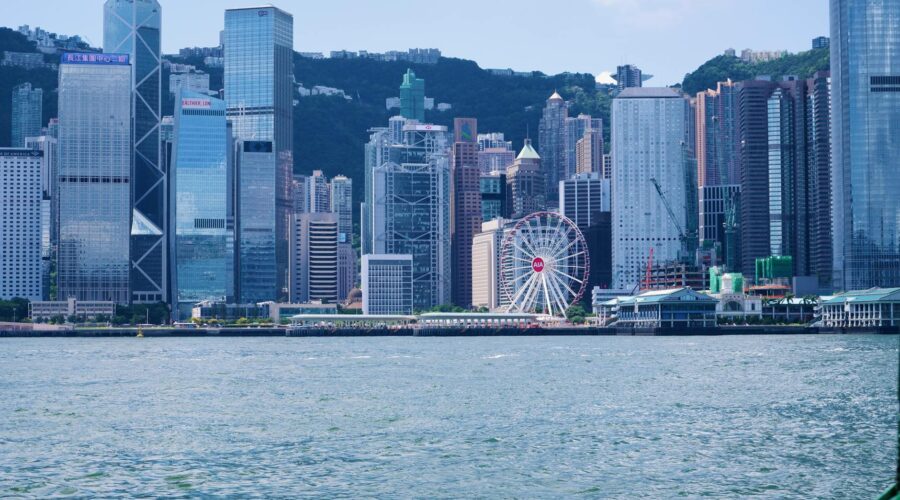
Timor-Leste Urged to Open Consulate in Macau or Hong Kong
Timor-Leste should establish a diplomatic presence in Macau or Hong Kong to capitalize on the explosive economic growth of China’s Greater Bay Area, according to a recommendation sent to the government in Dili.
António Ramos da Silva, the Timor-Leste delegate to the Forum for Economic and Trade Co-operation between China and Portuguese-speaking Countries (Macau Forum), is urging his government to open a consulate or honorary consulate in the region. He argues that the strategic importance of these semi-autonomous regions is now too significant to ignore.
A Strategic Gateway to the Greater Bay Area
In a report sent to the Timor-Leste executive, Ramos da Silva highlighted the “new developments” across the Greater Bay Area—a Beijing-led project connecting Hong Kong, Macau, and nine cities in Guangdong province. This burgeoning global metropolis is home to approximately 86 million people and boasts an economy exceeding one trillion euros.
“The importance of the financial and logistical platforms in Hong Kong, the technology sector in Shenzhen, and the tourism and cultural strengths of Macau deserve better attention from Timor-Leste,” Ramos da Silva stated.
Leveraging ASEAN and Lusophone Connections
The recommendation comes at a pivotal time for Timor-Leste, which formally joined the Association of Southeast Asian Nations (ASEAN) in October. Ramos da Silva noted that a presence in the region would allow Timor-Leste to bridge the gap between two major markets: Macau’s established connection to Portuguese-speaking (Lusophone) nations and Hong Kong’s vital role as ASEAN’s second-largest trading partner.
Trade between Hong Kong and ASEAN reached a record 213.9 billion dollars (186.1 billion euros) in 2025, a nearly 30% increase from the previous year, aided significantly by tariff exemptions.
Expanding Cultural and Technological Ties
Beyond trade, the delegate emphasized the need for “elevated cultural cooperation.” He suggested that establishing a presence in top-tier hubs like Macau or Hong Kong would align with China’s current regional investments, such as Macau’s new International Zone for Integrated Tourism and Culture and Hong Kong’s West Kowloon Cultural District.
Macau has served as China’s primary platform for cooperation with Portuguese-speaking countries since the creation of the Macau Forum in 2003. The forum includes representatives from Angola, Brazil, Cape Verde, Guinea-Bissau, Mozambique, Portugal, São Tomé and Príncipe, Equatorial Guinea, and Timor-Leste.
Image: Pexels – Kevin Huynh