Sustainable Tourism in Cape Verde: Challenges & Opportunities
In the middle of the central Atlantic Ocean, the ten-island archipelago of Cape Verde (Cabo Verde) has rapidly transformed from a hidden gem into one of the most sought-after destinations for sun-seekers and adventurers alike. With its volcanic landscapes, soulful morna music, and the celebrated concept of ‘Morabeza’ (the local spirit of hospitality), the country has built an economy where tourism accounts for roughly 25% of its GDP.
However, as the global travel industry recalibrates in the wake of climate change and environmental degradation, Cape Verde faces a critical juncture. The transition toward sustainable tourism is no longer a luxury—it is a necessity for the survival of the islands’ fragile ecosystems and unique cultural heritage. This article explores the multifaceted opportunities and the pressing challenges of developing a sustainable tourism model in Cape Verde.
The Pillars of Opportunity: Why Cape Verde is Primed for Green Travel
Cape Verde possesses a natural blueprint for sustainability. Unlike high-density Mediterranean resorts, the archipelago offers a diverse range of experiences across its islands, allowing for a “decentralized” tourism model that prevents overcrowding in a single location.
1. Harnessing Renewable Energy
Cape Verde is one of the world’s leaders in the ambition for renewable energy. With consistent trade winds and intense equatorial sunshine, the islands have the potential to power their tourism infrastructure entirely through wind and solar energy. For eco-conscious travelers, the prospect of staying in resorts powered by the sun and cooled by the Atlantic breeze is a significant draw. Several hotels on the islands of Sal and Boa Vista have already begun integrating photovoltaic systems, reducing the carbon footprint of a typical island holiday.
2. Adventure and Community-Based Tourism
While the “all-inclusive” sun-and-sand model dominates Sal and Boa Vista, islands like Santo Antão, Fogo, and São Nicolau offer a different path. Santo Antão, with its jagged peaks and lush tropical valleys, is a paradise for hikers. Sustainability here looks like community-based tourism: travelers staying in local guesthouses (pousadas), eating locally grown coffee and papaya, and hiring local guides. This ensures that the economic benefits of tourism reach the pockets of rural families rather than flowing out to international hotel chains.
3. Marine Conservation and Biodiversity
The waters surrounding the islands are a sanctuary for biodiversity. Cape Verde hosts the world’s third-largest nesting population of Loggerhead sea turtles and is a vital migratory path for humpback whales. Sustainable tourism offers the opportunity to fund conservation through eco-tours. Managed correctly, turtle-watching excursions and whale-tagging experiences can turn local fishermen into conservationists, providing them with a sustainable income that protects the ocean rather than depleting it.
The Roadblocks: Challenges to a Sustainable Future
Despite the immense potential, the path to sustainability is fraught with structural and environmental hurdles that require urgent attention from both the government and the private sector.
1. Water Scarcity and Waste Management
Cape Verde is an arid archipelago with very limited freshwater resources. Most of the water used in large resorts is produced through desalination, an energy-intensive process. Furthermore, the sheer volume of waste generated by tourism poses a threat. On islands like Sal, the infrastructure for recycling and waste processing has struggled to keep pace with the rapid construction of new hotels. Without a circular economy approach to waste, the very beauty that attracts tourists—the pristine beaches—is at risk of pollution.
2. Over-Reliance on the All-Inclusive Model
Currently, the majority of Cabo Verde’s tourism revenue is concentrated in large-scale, all-inclusive resorts owned by foreign corporations. While these provide jobs, they often create “tourist enclaves” where visitors rarely leave the hotel grounds. This model limits the “multiplier effect” of tourism, as local restaurants, artisans, and transport providers see less of the total spend. Shifting the balance toward boutique, locally-owned establishments is a major challenge for the Ministry of Tourism.
3. Erosion and Coastal Vulnerability
Climate change is an existential threat to island nations. Rising sea levels and increased storm intensity lead to coastal erosion. Ironically, some of the infrastructure built to support tourism—such as sea walls or hotels built too close to the shoreline—can exacerbate this erosion. Protecting the dunes of Boa Vista and the beaches of Maio requires strict urban planning and environmental impact assessments that have, in the past, been overlooked in favor of rapid development.
Case Studies: Sustainability in Action
To understand what success looks like, one can look at the island of Maio. Designated as a UNESCO Biosphere Reserve, Maio is taking a “slow tourism” approach. The focus here is on low-impact infrastructure, protecting the salt pans, and ensuring that the island’s development benefits the local “Maioense” population while preserving its quiet, authentic character.
In Fogo, the tourism industry revolves around the active volcano, Pico do Fogo. After the 2014 eruption, the community of Chã das Caldeiras rebuilt with a focus on wine tourism and trekking. This resilient, localized approach shows how tourism can be integrated into a landscape that is both beautiful and volatile.
Practical Tips for the Sustainable Traveler
If you are planning a trip to Cape Verde and want to support its sustainable development, consider the following:
- Choose Local: Opt for locally-owned boutique hotels or guesthouses over international chains.
- Respect Water: Be mindful of your water usage. Remember that every drop of fresh water likely came from a desalination plant.
- Support the “Blue Economy”: Choose tour operators that have certified eco-guides, especially for turtle-watching or diving.
- Island Hop: Don’t just stay on one island. Each island has a unique economy; by visiting the less-traveled islands like Brava or São Nicolau, you help distribute tourism wealth more evenly.
Conclusion: Finding the Balance
The future of Cape Verde lies in its ability to balance growth with preservation. The opportunities are vast: the islands can become a global laboratory for renewable energy, community empowerment, and marine conservation. However, this requires moving away from a “quantity over quality” mindset. By prioritizing the environment and the local people, Cape Verde can ensure that its “Morabeza” remains vibrant for generations to come, proving that paradise doesn’t have to be lost to be enjoyed.
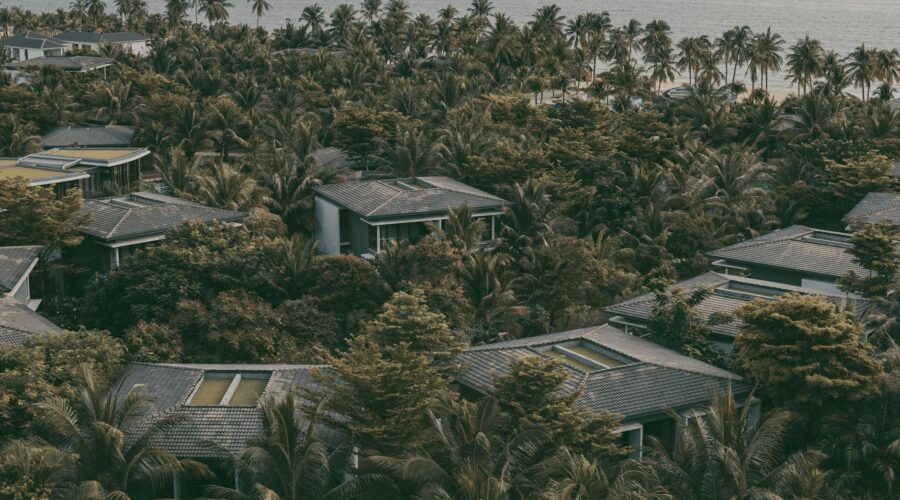
Image: Pexels – Van Trang Ho