South Atlantic Nations Unite for Peace in Rio Summit
Agreements reached this week in Rio de Janeiro aim to shield the South Atlantic from the rising tide of global conflict. Member nations of the South Atlantic Peace and Cooperation Zone (Zopacas) have pledged to bolster regional security and prevent their waters from becoming a theater for great-power rivalries.
Following the IX ministerial meeting on Thursday, the 24-nation group—comprising states from both South America and Africa—issued the “Rio de Janeiro Declaration.” The document reaffirms the region’s status as a zone of peace, explicitly calling for the South Atlantic to remain free of nuclear weapons, weapons of mass destruction, and extra-regional military build-ups.
Brazil Takes the Helm
The meeting marked Brazil’s assumption of the organization’s pro-tempore presidency for the 2026–2028 term, succeeding Cape Verde. Brazilian Foreign Minister Mauro Vieira emphasized that President Luiz Inácio Lula da Silva has prioritized the protection of the ocean from geopolitical friction.
“Channels, gulfs, straits, seas, and oceans should bring us closer together and not be a cause for discord,” Vieira said. He warned that the world is currently facing the highest number of armed conflicts since World War II, specifically citing the wars in Ukraine and the Middle East as factors that disproportionately harm developing nations through rising food and energy costs.
Argentina Breaks Consensus on Colonialism
While the group reached several key agreements, a diplomatic divide emerged regarding the historical legacy of the region. Argentina, under the administration of President Javier Milei, registered a formal reservation to Article 22 of the declaration.
That specific article calls for international cooperation to address the lasting impacts of slavery, colonialism, and racism. While the Argentine delegation reaffirmed its commitment to fighting discrimination, it distanced itself from specific UN resolutions and frameworks—such as the recognition of the transatlantic slave trade as a crime against humanity—arguing they do not reflect “universally assumed commitments.”
A 40-Year Alliance
The summit also celebrated the 40th anniversary of Zopacas, which was established in 1986 through a United Nations resolution. The forum’s original mission remains its current priority: fostering economic development, environmental protection, and regional integration across the Atlantic.
The organization includes Lusophone nations such as Angola, Cape Verde, São Tomé and Príncipe, and Equatorial Guinea. Except for Guinea-Bissau, all Portuguese-speaking member states were represented by their Foreign Ministers at the Rio summit.
As the new chair, Brazil intends to use the next three years to strengthen maritime cooperation and ensure that the South Atlantic remains a stable corridor for trade and development, shielded from the escalating tensions of the northern hemisphere.
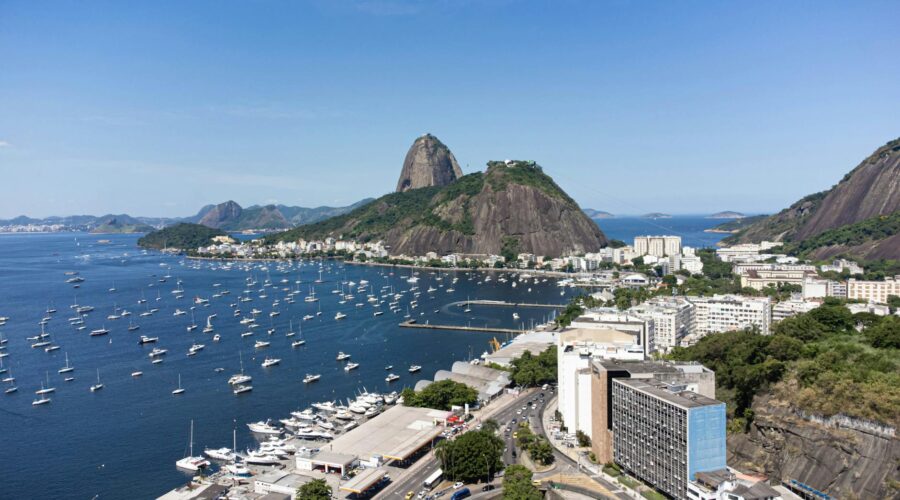
Image: Pexels – Zeca Souza