Inclusive Education in Cape Verde: A Future Without Barriers
In the heart of the Atlantic Ocean, the archipelago of Cape Verde (Cabo Verde) has long been recognized as a beacon of stability and democratic progress in West Africa. However, one of its most ambitious transformations is taking place not in the halls of government, but within the classrooms of its ten islands. Cape Verde is currently navigating a sophisticated shift toward inclusive education, a paradigm designed to ensure that every child—regardless of disability, socioeconomic status, or geographic location—has equal access to quality learning.
The Evolution of Education in the Archipelago
Since gaining independence in 1975, Cape Verde has achieved remarkable success in education. With primary school enrollment rates consistently hovering near 100%, the nation moved its focus from mere “access” to “quality and equity.” The transition toward inclusive education gained significant momentum with the ratification of the UN Convention on the Rights of Persons with Disabilities and the subsequent development of the “National Plan for Education.”
Historically, children with special educational needs (SEN) were often sidelined or placed in segregated “special schools.” Today, the Cape Verdean government, supported by organizations like UNICEF and the European Union, is championing a model where children with disabilities learn alongside their peers in mainstream classrooms. This shift is not just about physical presence; it is about pedagogical adaptation.
Legal Frameworks and Government Commitment
The foundation of Cape Verde’s inclusive education strategy is rooted in Decree-Law No. 54/2018, which established the principles of inclusion as the backbone of the educational system. This law moved away from a “medical model” of disability (which focuses on what the child cannot do) to a “social and educational model” (which focuses on how the environment can be adapted to help the child succeed).
Central to this strategy is the Strategic Plan for Education (PME). The Ministry of Education has prioritized several key pillars:
- Early Identification: Implementing screening processes in preschools to identify developmental delays or disabilities early.
- Universal Design for Learning (UDL): Training teachers to develop lesson plans that cater to diverse learning styles and abilities from the outset.
- Resource Centers: Converting former special education units into “Multidisciplinary Support Teams” (Equipas Multidisciplinares de Apoio à Educação Inclusiva – EMAEI) that provide roaming support to several schools.
The Role of Teachers: The Frontline of Change
The success of inclusive education in Cape Verde rests largely on its teaching workforce. In cities like Praia and Mindelo, teacher training institutes have integrated inclusive modules into their curricula. Teachers are being taught to use “Individualized Education Plans” (PEIs), which allow for flexible assessment methods. For instance, a student with dyslexia might be given more time for a test or allowed to provide oral answers instead of written ones.
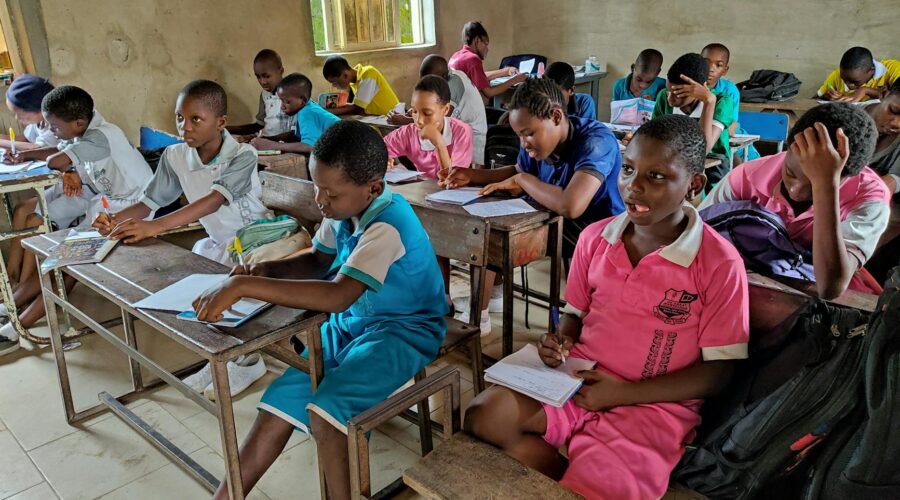
However, the transition is not without its hurdles. Many teachers in remote areas, such as the northern mountains of Santo Antão or the rural stretches of Fogo, still face classrooms with 40 or more students. Providing individualized attention in such settings requires not just skill, but significant resources and assistant staff.
Technology as an Equalizer
Digital inclusion is a vital component of the Cape Verdean strategy. The government’s “WebLab” project and the distribution of tablets have begun to reach students with visual or hearing impairments. Assistive technologies, such as screen readers and specialized keyboards, are slowly being introduced in urban resource centers, helping bridge the gap for students who would previously have been excluded from the digital economy.
Cultural Context: From “Vergonha” to “Inclusion”
One of the most profound challenges Cape Verde faces is cultural. In past generations, families in smaller communities sometimes felt a sense of vergonha (shame) regarding children with disabilities, occasionally keeping them hidden at home. The Ministry of Education, in partnership with local NGOs like the Federation of Associations of People with Disabilities (FECAD), has launched nationwide awareness campaigns.
The message is clear: disability is a part of human diversity. By bringing children with disabilities into the public sphere of the classroom, the school system is effectively re-educating the community, fostering a culture of empathy and “Morabeza”—the famous Cape Verdean spirit of hospitality and kindness—applied to social justice.
Challenges on the Horizon
While the progress is commendable, several obstacles remain for the archipelago:
1. Geographical Fragmentation
Delivering consistent specialized services across ten islands is a logistical nightmare. While Santiago and São Vicente have relatively robust support structures, students on smaller islands like Brava or Maio may have limited access to speech therapists, psychologists, or specialized equipment.
2. Infrastructure Constraints
Many older school buildings in Cape Verde were not built with accessibility in mind. Retrofitting schools with ramps, accessible toilets, and tactile paving requires significant capital investment. While new schools are built to international accessibility standards, the older stock remains a barrier.
3. Economic Pressures
As a Small Island Developing State (SIDS), Cape Verde’s economy is vulnerable to external shocks, such as the COVID-19 pandemic or climate change. Funding for inclusive education—which often requires higher per-pupil spending—must compete with other urgent national priorities.
The Path Forward: A Shared Responsibility
The future of inclusive education in Cape Verde looks promising, largely due to strong political will and international cooperation. The “Education and Skills Development” project, funded by the World Bank, is currently working to improve the quality of basic education with a specific eye on vulnerable groups.
Moreover, the integration of Social Protection and Education is key. Projects that link school attendance for children with disabilities to the “Social Income of Inclusion” (Rendimento Social de Inclusão) ensure that poverty doesn’t become the primary reason a child with special needs misses out on school.
Conclusion
Cape Verde’s journey toward inclusive education is a testament to the nation’s belief that its greatest resource is its people. By dismantling the barriers that separate “typical” students from those with disabilities, the archipelago is building a more cohesive, resilient, and fair society. While the “finish line” of total inclusion is still in the distance, the steps taken on the islands of Sal, Santiago, and beyond serve as an inspiring model for other developing nations. In Cape Verde, education is no longer seen as a privilege for the many, but as a fundamental right for all.
Image: Pexels – Erique Erufu Onojoserio