Cape Verdean Culture: A Fusion of Africa and Portugal
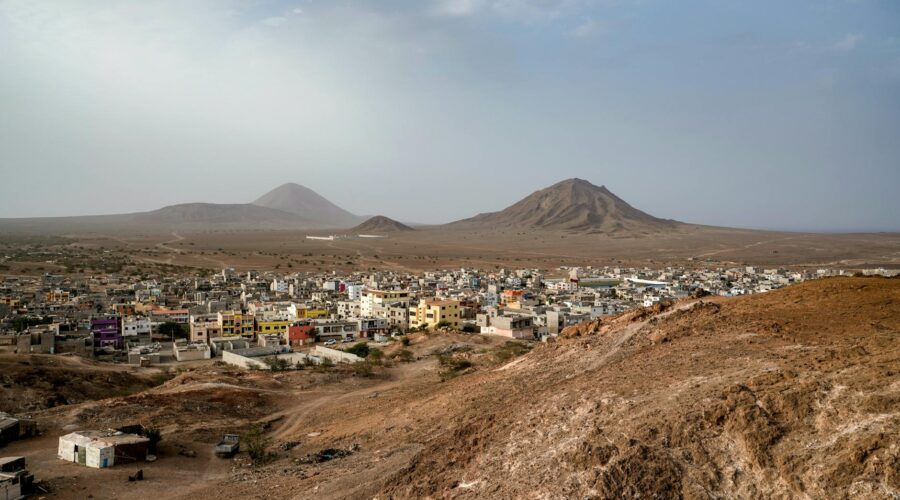
Floating in the vast expanse of the Atlantic Ocean, approximately 500 kilometers off the coast of Senegal, lies the archipelago of Cape Verde (Cabo Verde). This ten-island nation is more than just a paradise of volcanic peaks and turquoise waters; it is a profound sociological experiment. As one of the few places on Earth where a completely new culture was born from the collision of two distant worlds, Cape Verde represents the ultimate “Creole” identity.
The cultural DNA of Cape Verde is a complex double helix of African heartbeat and Portuguese soul. Uninhabited until the mid-15th century, the islands became a pivotal hub for the transatlantic slave trade. This dark chapter of history inadvertently birthed a unique civilization where European administrative structures, religion, and language merged with the rhythms, spiritualities, and resilience of West African peoples. To understand Cape Verde today is to understand this delicate, often overlapping dance between two continents.
The Linguistic Bridge: Crioulo
Perhaps the most potent symbol of the African-Portuguese synthesis is Kriolu (Cape Verdean Creole). While Portuguese remains the official language used in schools, government, and formal media, Kriolu is the language of the heart, the home, and the street.
Linguistically, Kriolu is a Portuguese-based creole. The vast majority of its vocabulary is derived from archaic Portuguese, preserving words that have long since disappeared from modern speech in Lisbon. However, its grammar, syntax, and phonetic structures are deeply rooted in West African Manding and Atlantic languages (such as Wolof and Temne). This blend allowed enslaved people from diverse ethnic backgrounds to communicate with each other and their colonizers, eventually evolving into a sophisticated language of resistance and poetic expression.
Music: The Sound of Sodade
Music is the lifeblood of Cape Verde, and it is here that the African and European influences are most audibly distinct. The archipelago’s most famous export is the Morna, popularized globally by the “Barefoot Diva,” Cesária Évora. The Morna is often compared to the Portuguese Fado or the American Blues; it is melancholic, reaching deep into the concept of Sodade (a longing for home or a lost love). The instrumentation—violins, guitars, and cavaquinhos—is undeniably European, but the rhythmic soul and vocal delivery carry an African cadence.
On the other end of the spectrum is Batuque and Funaná. Originally suppressed by the Portuguese colonial authorities as “savage” or “subversive,” these genres are the islands’ African beating heart. Batuque is performed primarily by women (Batucadeiras), who sit in a circle, beating rhythms on cloth bundles held between their legs and engaging in call-and-response chanting—a practice directly inherited from West African traditions. Funaná, characterized by the rapid-fire use of the accordion (gaita) and a notched metal bar (ferrinho), reflects the high-energy spirit of the interior of Santiago island, the most “Africanized” of the archipelago.
Religion and Spirituality
Religion in Cape Verde is a fascinating study in syncretism. The Portuguese brought Roman Catholicism, which remains the dominant faith today. Grand cathedrals and small village chapels dot the islands, and the liturgical calendar dictates much of the country’s social life.
However, beneath the surface of Catholic orthodoxy lies a layer of African spiritual influence. This is most visible in the Festas de Santo (Saint Festivals). While these celebrations honor Catholic saints like São João or São Filipe, the manner in which they are celebrated—with drumming, street processions, specific ritual foods, and communal dancing—mirrors West African festivals. In the more remote areas, beliefs in traditional medicine and spiritual entities exist alongside a devout belief in the Virgin Mary, creating a uniquely Cape Verdean spiritual landscape.
The Culinary Melting Pot
Cape Verdean cuisine is a literal distillation of its history. The national dish, Cachupa, is a slow-cooked stew of corn (maize), beans, cassava, and sweet potatoes. These ingredients were either native to Africa or brought from the Americas via the triangular trade routes. To this base, Portuguese influences added chorizo, marinated meats (carne de vinha d’alhos), and olive oil.
From Portugal, Cape Verde inherited a love for pastries, wine (particularly from the island of Fogo), and seafood preparations like bacalhau. From Africa, the islands took the heavy use of tubers, the communal style of eating, and the “Xerém” (pounded corn) that mirrors West African “fufu.” Even the way coffee is grown and roasted on the volcanic slopes of Fogo reflects a centuries-old fusion of European agricultural demand and African labor and technique.
Social Structure and the “Luso-Tropical” Identity
The social fabric of Cape Verde was built on the Morgadio system—large estates owned by Portuguese settlers but worked by enslaved Africans. Unlike many other colonial societies, the geographical isolation and the specific economic needs of the islands led to a high degree of “miscegenation” or mixing. This created a bridge between the two populations, leading to the “Mestiço” identity that defines the majority of the population today.
This history has left Cape Verde with a unique social positioning. The islands often feel like the most European of African nations and the most African of “Lusophone” (Portuguese-speaking) nations. This duality is a source of great pride. Whether it is in the architecture of the “Sobrados” (colonial manor houses) in São Filipe or the vibrant textiles of the “Pano de Terra” (hand-woven African cloth), the dialogue between the two cultures is constant.
Key Facts About Cape Verdean Culture
- The Pano de Terra: A traditional hand-woven fabric that once served as currency in the slave trade. It remains a symbol of Cape Verdean womanhood and African heritage.
- Tabanka: A colorful, rhythmic parade and social association that serves as a form of cultural resistance and community mutual aid, with deep West African roots.
- Gastronomy: Grogue, the local rum made from sugarcane, is produced using traditional stone mills (trapiches) similar to those used in both medieval Portugal and colonial Africa.
Conclusion: A Culture of Resilience
The beauty of Cape Verdean culture lies in its refusal to be just one thing. It is not merely “Portuguese Lite,” nor is it a carbon copy of the West African mainland. It is a third, distinct entity that was forged in the fire of the Atlantic crossing. By blending the melancholy of the Portuguese soul with the indestructible rhythm of the African spirit, Cape Verdeans have created a culture that is as multifaceted as the volcanic islands they call home.
For the traveler, visiting Cape Verde is an invitation to witness this harmony. You see it in the way a person might attend a Catholic Mass in the morning and dance to the beat of an African drum in the evening. It is a culture of survival, creativity, and above all, a bridge between two worlds.
Image: Pexels – Nico Marín