Cape Verde Music: New Releases & Rising Artists 2024
The rhythmic soul of Cape Verde has always been its most powerful export. From the haunting melodies of Cesária Évora to the high-energy beats of Funaná, the archipelago’s musical landscape is a vibrant tapestry of tradition and hyper-modernity. As we move through the current year, the Cape Verdean music scene is experiencing a creative renaissance, blending acoustic roots with global urban sounds like Afrobeats, Kizomba, and electronic music.
The Evolution of the Cabo Verdean Sound
To understand the current releases, one must appreciate the diversity of the “Sounds of the Islands.” While the world often identifies Cape Verdean music solely with Morna—the melancholic, soulful genre that became a UNESCO Intangible Cultural Heritage—the current generation of artists is pushing boundaries. Today’s releases are characterized by a “transnational” sound, reflecting the vast Cape Verdean diaspora in Lisbon, Paris, Boston, and Rotterdam.
High-Profile New Releases
Several major artists have recently dropped projects that are making waves both in the islands and across the Lusophone world.
Mayra Andrade: Reimagining the Classics
Mayra Andrade, often considered the successor to Cesária Évora’s throne, continues to innovate. Her recent live recordings and re-releases of her “Manga” era tracks have kept her at the top of the charts. Fans are buzzing about her latest collaborations, where she blends her silky vocals with more electronic, percussion-heavy arrangements. Her recent single releases emphasize the “Cabo-Pop” aesthetic—sophisticated, polyglot, and deeply rhythmic.
Nelson Freitas and the ‘Black Rose’ Influence
Nelson Freitas, the king of Ghetto Zouk, has been consistently releasing singles that bridge the gap between R&B and traditional Cape Verdean rhythms. His latest work continues to dominate dance floors in Praia and Mindelo. His recent tracks showcase a polished production style that appeals to the global Afrobeats movement while maintaining that distinct “Cape Verdean swing.”
Soraia Ramos: The New Queen of Kizomba
While Soraia Ramos resides in the diaspora, her heart remains in the islands. Her recent album and its breakout singles have garnered tens of millions of views on YouTube. Her music represents the modern Cape Verdean woman—independent, vocal, and stylistically versatile. Her latest tracks have shifted slightly from pure Kizomba to a mix of Pop and traditional Coladeira, proving her range as an artist.
The Acoustic Revival: Back to the Roots
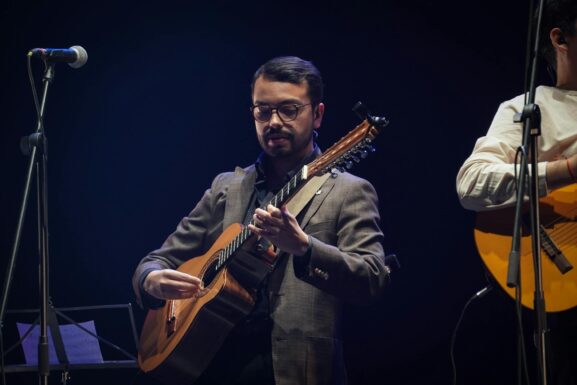
In contrast to the electronic hits, there is a powerful movement returning to the acoustic “Batuku” and “Morna” styles. This movement is led by artists who want to ensure the traditional instruments—the 10-string cavaquinho and the cimboa—are not lost to time.
Lucibela: The Voice of the Tradition
Lucibela’s recent releases have been a breath of fresh air for those who miss the “old” Mindelo sound. Her latest album focuses on the storytelling aspect of Cape Verdean music, dealing with themes of emigration (Sodade), love, and the daily struggles of life on the islands. Her vocal clarity and emotional depth have made her a darling of the international world music circuit.
Elida Almeida: Energy and Heritage
Elida Almeida continues to be one of the most prolific artists coming out of the islands. Her recent singles are a masterclass in Funaná and Batuku. She has been vocal about using her music to highlight the social issues in Cape Verde, particularly for women in rural areas of Santiago Island. Her latest work is percussive, raw, and undeniably infectious.
Emerging Artists and Underground Sounds
Beyond the established stars, the underground scene in Praia and São Vicente is producing some of the most experimental music in Africa. New rappers and producers are blending “Kriolu” (Cape Verdean Creole) with Drill and Trap music, creating a genre often referred to as “Kriol Trap.”
Artists like Hélio Batalha and Ga DaLomba have released tracks that tackle political corruption, poverty, and youth empowerment. These songs might not always reach the international radio stations, but they are the heartbeat of the youth in Cabo Verde, played on every “aluguer” (public bus) from Ribeira Grande to Assomada.
The Role of Digital Platforms and Festivals
The way Cape Verdean music is released has changed. Digital platforms like Spotify and Apple Music have allowed artists to bypass traditional gatekeepers. However, it is the live experience that remains the ultimate test of a song’s success. Events like the Atlantic Music Expo (AME) and the Baía das Gatas Festival have become essential launching pads for new albums.
Recent performances at these festivals have seen artists debuting unreleased tracks, using the live audience as a focus group. This interactive relationship between the musician and the “povo” (people) is what keeps the music scene so dynamic.
Practical Guide: Where to Listen and Buy
If you are looking to update your playlist with the latest Cape Verdean hits, here are the best ways to stay informed:
- Digital Stores: Follow the “Cabo Verde” or “Lusophone Hits” playlists on Spotify.
- YouTube: This remains the most popular platform for Cape Verdeans. Keep an eye on channels like Klasszik and Digital Kuduro.
- Local Radio: Stations like RCV (Rádio de Cabo Verde) are the primary sources for new music premieres within the archipelago.
Conclusion: A Bright Future for Cabo Verdean Music
The new album and song releases from Cape Verde in the current year prove one thing: the islands may be small, but their musical output is giant. Whether it is a heartbreaking Morna that brings tears to your eyes or a high-tempo Funaná that forces you to dance, the artists of Cape Verde continue to tell their story with unmatched passion. As these new sounds travel from the volcanic shores of Fogo to the clubs of Lisbon and New York, they carry with them the unique spirit of Morabeza—the legendary hospitality and warmth of the Cape Verdean people.
Image: Pexels – Paulo Santana