
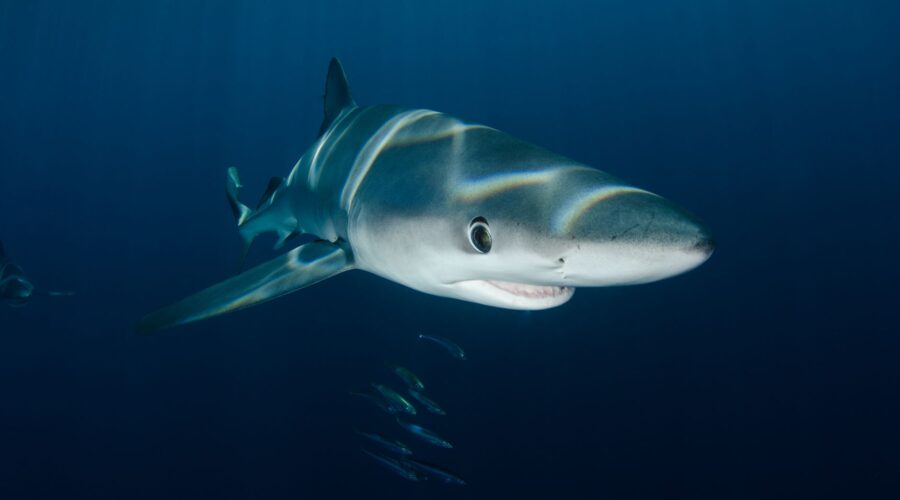
Historic Atlantic Shark Finning Ban Approved by 2030
In a major win for marine conservation, the International Commission for the Conservation of Atlantic Tunas (ICCAT) has finalized a historic agreement to phase out shark finning across the Atlantic and Mediterranean. The move, announced by the European Union on Sunday, marks the culmination of a multi-year effort to end one of the fishing industry’s most controversial practices.
A Phased Approach to Full Enforcement
The new regulations, established during ICCAT’s 25th special meeting in Vilamoura, Portugal, mandate a “Fins Naturally Attached” policy. This requires all sharks to be brought to land with their fins still connected to the carcass, effectively banning the practice of removing fins at sea and discarding the rest of the fish.
To ensure a smooth transition for the fishing industry, the implementation will occur in two stages:
- 2027: Rules take effect for all vessels landing fresh sharks.
- 2030: Rules extend to vessels landing frozen sharks, marking the total ban on transporting loose fins.
Ending a Wasteful Practice
Shark finning has long been condemned by environmentalists and international bodies as a wasteful practice that threatens the survival of apex predators and destabilizes marine ecosystems. By requiring sharks to be landed whole, authorities can more accurately monitor catch numbers and prevent the illegal trade of fins from protected species.
“This result represents a significant step forward for shark conservation,” the EU stated. “It will allow for improved monitoring and control, support more sustainable shark fisheries, and demonstrate the value of international cooperation in fisheries governance.”
Global Cooperation in Action
The European Union and the United States spearheaded the proposal, gaining the support of 16 other nations to secure the deal. Costas Kadis, the European Commissioner for Fisheries and Oceans, hailed the agreement as a victory for international diplomacy, stating it shows “what the EU can achieve by working with international partners toward more sustainable and better-managed fisheries.”
Established in 1969, ICCAT is an intergovernmental organization responsible for managing migratory fish populations like tuna and swordfish. Its 56 members include Atlantic coastal nations such as Brazil, Angola, and Cape Verde, as well as global fishing giants like Japan and China.
Image: Pexels – Ben Phillips