Guinea-Bissau: 3 Scenarios After One Year of Military Rule
One year after a military coup derailed Guinea-Bissau’s democratic process, the West African nation stands at a critical crossroads. According to Sophia Birchinger, a researcher at the Peace Research Institute Frankfurt (PRIF), the country faces three potential futures: a permanent military-led transition, a hard-won negotiated settlement, or a violent new rupture.
A Stalled Democracy
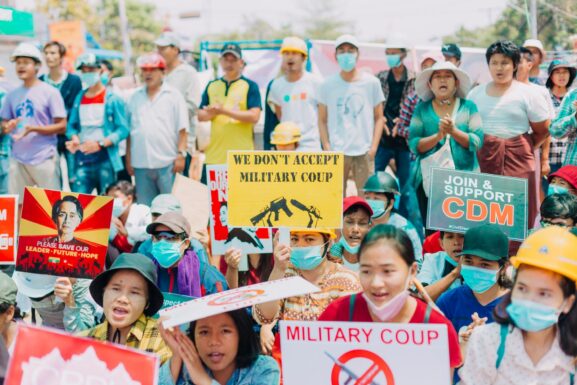
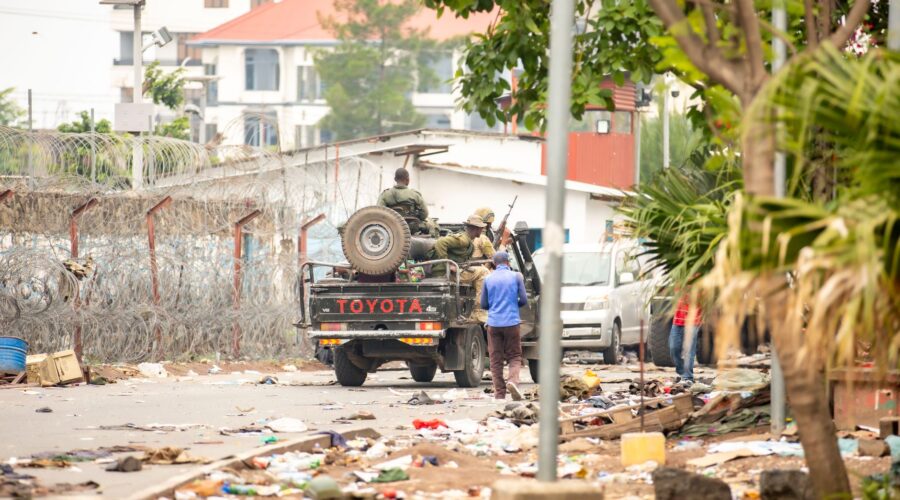
The current crisis began on November 26, 2025, when a self-proclaimed “Military High Command” seized power. The coup struck at a particularly sensitive moment—just as the country was awaiting the results of general elections held three days prior. The military deposed President Umaro Sissoco Embaló, dissolved the parliament, and installed General Horta Inta-a as the Transitional Head of State.
The takeover also saw the arrest of leading opposition figure Domingos Simões Pereira, whose PAIGC party had already been barred from the election. One year later, Birchinger warns that the transition feels like it “never ends” because the ruling junta lacks a transparent roadmap for a return to civilian rule.
Three Paths Forward
In an interview with Lusa, Birchinger outlined the most likely political trajectories for the nation:
1. Consolidating Military Rule
The most “plausible” scenario, according to Birchinger, is that the military continues to extend its mandate indefinitely. By repeatedly postponing elections and citing “security concerns,” the authorities may solidify their grip on power, effectively silencing political parties and civil society permanently.
2. A Negotiated Solution
A more optimistic path involves a genuine national dialogue. This would require the transitional government to make significant concessions and include the opposition and civil society in a clear plan for new elections. While Birchinger noted “small advances” in recent weeks, she emphasized that this scenario requires a level of political will that has not yet been fully demonstrated.
3. New Military Rupture
Given Guinea-Bissau’s volatile history, Birchinger warns that a fresh military intervention or a sharp political escalation is “quite likely.” Without a credible plan that satisfies the public and the opposition, the vacuum of legitimacy may invite further instability.
International Response: Firm Words, Little Action
While international bodies like the African Union (AU) and the Economic Community of West African States (ECOWAS) initially took a hard line by suspending Guinea-Bissau, their influence has since waned. ECOWAS threatened sanctions against members of the transitional government but has yet to follow through.
Meanwhile, the United Nations has focused on documenting a deteriorating human rights situation, reporting arbitrary arrests and violence against journalists and activists. The Community of Portuguese Language Countries (CPLP) also remains largely sidelined. After Guinea-Bissau was stripped of the organization’s presidency following the coup, a planned diplomatic mission was canceled in February. However, there is a glimmer of hope for renewed engagement, with the mission now rescheduled for December.
“The lack of a clear plan makes it impossible for citizens to make decisions and for parties to organize,” Birchinger concluded. “The country is left in a state of deep uncertainty.”
Image: Pexels – Safi Erneste