Oeiras Project: Fighting Loneliness Through Art & Literacy
In the quiet neighborhood of Moinho das Rolas in Oeiras, a group of women is rewriting the script of their later years. Through the “Letras com Artes” (Letters with Arts) project, these residents—many of whom emigrated from Cape Verde decades ago—are turning to creativity and companionship to combat the isolation that often accompanies aging.
A Sanctuary from Solitude
For many of the participants, the Wednesday afternoon sessions are more than just a class; they are a lifeline. Antónia Joana da Cruz, 77, who arrived in Portugal from Cape Verde in 1973, says the program is her primary escape from family worries. “While I’m here, I’m not sad,” she explained. “I come here to distract myself and have fun with my colleagues.”
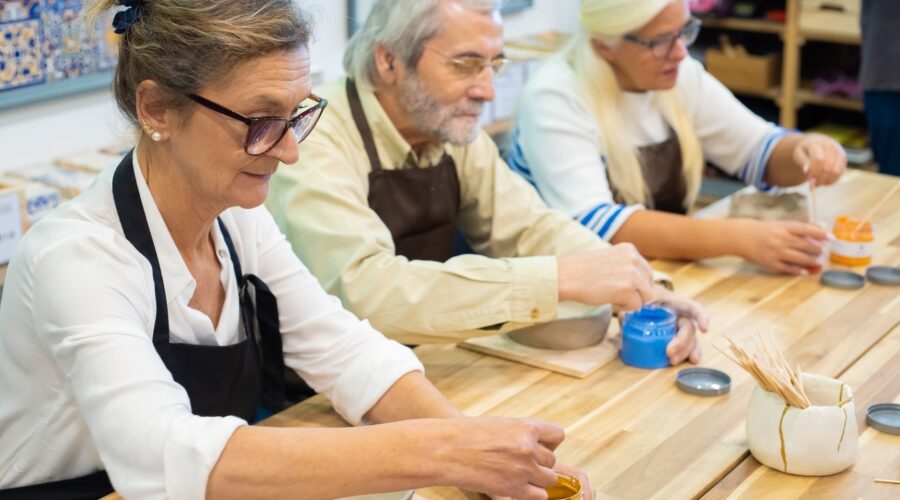
The project is part of the “Nós do Bairro” (Us from the Neighborhood) initiative, a collaboration between the Ser Mais Valia (SMV) association and the Moinho em Movimento Association that began in 2018. The curriculum blends literacy and numeracy with visual arts—including painting, collage, and recycled crafts—alongside introductory Information and Communication Technology (ICT) training.
Bridging Generations and Cultures
Volunteer teacher Isabel Amorim notes that the program targets women who are retired or nearing retirement and find themselves increasingly isolated as their children and grandchildren head to work or move abroad. For 81-year-old Maria Augusta Monteiro, the sessions fill the silence of a home left empty by the loss of close family members. “I like being here among my colleagues and teachers,” she said through tears. “We have fun, and then I feel better.”
The classes also offer a second chance at education. Rufina Rodrigues, 67, never attended school as a child because she was needed at home to care for her siblings. While she admits that learning to read later in life is a challenge, she cherishes the time for herself. “The hardest part is the letters entering the head,” she said, praising the patience of the volunteer instructors.
From Routine to Reflection
For Maria Zulmira, 69, the only Portuguese-born student in the group, the project sparked an intellectual awakening. After 52 years of working in a local shop with only a fourth-grade education, she says the classes moved her “off the sofa” and taught her to think critically. “I learned to think,” she said, reflecting on a life previously spent “living automatically.” She discovered a hidden talent for art, too, beaming with pride as she recalled a teacher comparing her colorful painting of a dove to a Picasso.
Technology as a Tool for Connection
The program also helps students navigate the digital world. Maria de Lurdes Pedra, a 72-year-old retired mathematics teacher and SMV volunteer, guides the women through computer exercises. They type sentences about the seasons and play word-association games similar to those their grandchildren play.
“Everyone has progressed, each at their own pace,” Pedra said. While some students now write autonomously, others, like Gregória Monteiro do Rosário, find that technology bridges the gap of physical difficulty. Gregória confessed she finds it easier to “write” her name on a keyboard than by hand.
A Decade of Service
Ser Mais Valia (SMV) was founded in 2016 and is unique in that it only accepts volunteers aged 55 or older, turning the skills of retirees into a force for social good. As the association celebrates its 10th anniversary, its impact stretches far beyond Oeiras. With 101 volunteers, the organization has completed 114 missions across Portugal and Portuguese-speaking African nations, including Angola, Mozambique, and Cape Verde.
In Moinho das Rolas, however, the success is measured in smaller, vital moments: a painted dove, a typed name, and the sound of laughter replacing a silent house.
Image: Pexels – Kampus Production