Cape Verde Opposition Rejects 2027 Budget & Travel Subsidies
The Movement for Democracy (MpD), Cape Verde’s primary opposition party, has announced its formal rejection of the 2027 State Budget. The party plans to introduce a suite of alternative measures during the upcoming parliamentary debate, signaling a sharp ideological divide following the change of government earlier this year.
‘We Will Say How’: MpD Challenges Government Vision
Speaking after a National Political Commission meeting in Praia, MpD Vice-President Celso Correia made it clear that the party would not simply obstruct the government’s plans. “The MpD cannot support this proposal as it stands,” Correia stated. “We will not limit ourselves to saying no. We will say how.”
The opposition aims to pivot the budget toward protecting private investment and providing tax relief for the middle class. They also intend to challenge the government’s “free services” rhetoric, which they characterize as simple exemptions, and demand the fulfillment of financial commitments to local municipalities and the Cape Verdean diaspora.
The Transport Subsidy Controversy
A central point of contention is the government’s flagship policy to slash inter-island transport costs. Starting in January, the ruling African Party for the Independence of Cape Verde (PAICV) plans to cap boat trips at 500 escudos (€4.5) and flights at 5,000 escudos (€45.4).
The MpD ridiculed the plan as a “paradox,” noting that the subsidies create a bizarre pricing structure where a short taxi ride in the capital can cost 2,000 escudos—four times the price of an inter-island ferry. The opposition argues that the archipelago’s mobility issues are rooted in infrastructure and logistics rather than ticket prices, questioning the long-term economic feasibility of the heavy subsidies.
A Budget Between ‘Caution’ and ‘Transformation’
The 2027 State Budget, totaling 101.7 billion escudos (€923.4 million), is the first major financial roadmap from the PAICV since it ended 10 years of MpD rule in the May elections. Minister of Justice Clóvis Silva described the document as a balance between “caution”—necessitated by volatile international fuel prices—and the “transformation” promised during the campaign.
Government projections are optimistic, forecasting real GDP growth of 5.6% and inflation steadying at 2%. However, independent monitors are waving red flags. The Public Finance Council has urged greater prudence, citing a potential slowdown in the Eurozone, geopolitical tensions, and a projected 10.5% spike in public sector personnel expenses.
New Parliamentary Reality
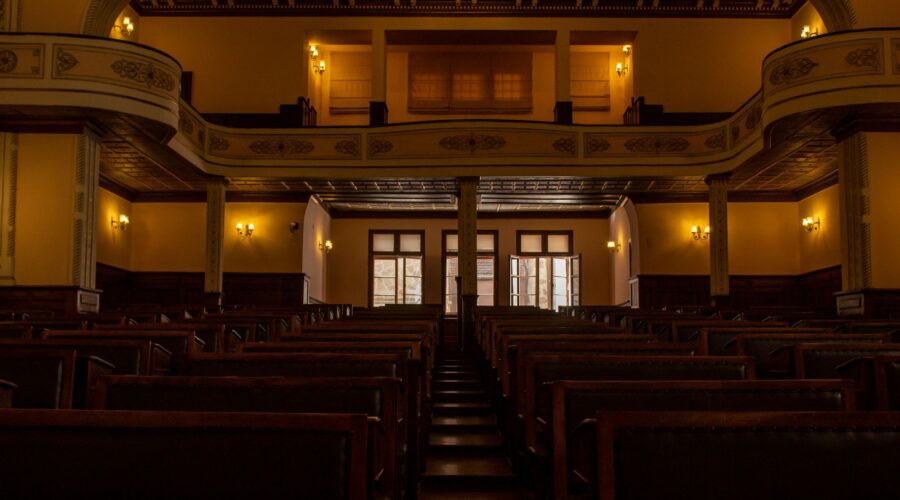
The budget debate will serve as the first major test for the new legislative layout. The PAICV currently holds an absolute majority with 37 seats in the 72-member National Assembly. The MpD leads the opposition with 33 seats, joined by the Independent and Democratic Cape Verdean Union (UCID), which holds two seats. While the PAICV’s majority makes the budget’s passage likely, the MpD’s aggressive stance signals a contentious four years ahead for the new administration.
Image: Pexels – Yunus Emre Ilıca