Cape Verde Inflation Rises to 1.8% Amid High Food Costs
Cape Verde’s inflation rate climbed to 1.8% in October, marking a 0.3 percentage point increase from the previous month, according to the latest data released by the National Statistics Institute (INE).
Cost of Living Climbs
The Consumer Price Index (CPI), which tracks the average price variation over the last 12 months, confirms a steady upward trend in the cost of living. When compared directly to October 2025, year-on-year inflation has surged by 4.3%.
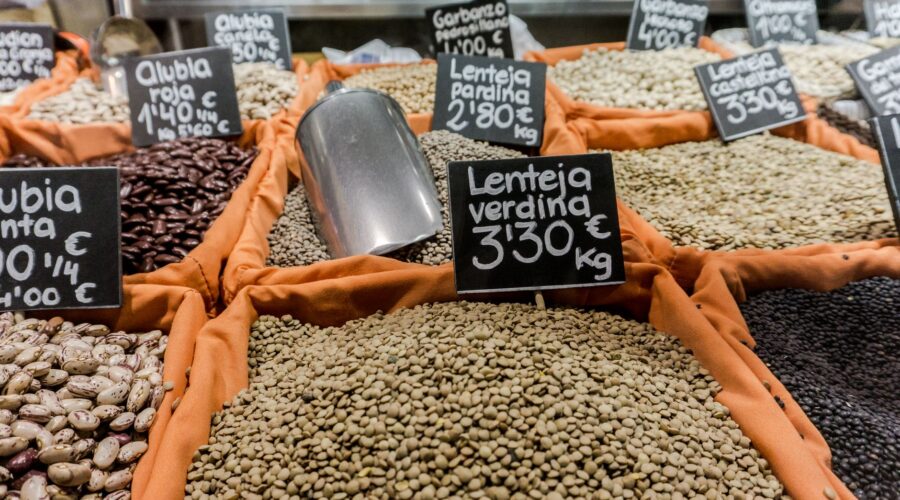
Data from the INE highlights that the sharpest price hikes over the past year occurred in transportation, food, and household equipment, putting additional pressure on domestic budgets.
Core Inflation and Economic Outlook
The core inflation indicator—which excludes volatile categories like energy and unprocessed food—stood at 2.4% year-on-year. This suggests that price increases are becoming embedded in the broader economy beyond just seasonal or energy-related shocks.
Looking ahead, financial institutions and the government offer varying outlooks for the archipelago’s economy:
- Bank of Cape Verde (BCV): Estimates inflation could reach 2.7% by the end of the year, citing global geopolitical tensions, particularly the ongoing conflict in the Middle East, as a primary driver.
- International Monetary Fund (IMF): Projects a more conservative 1.2% for this year, but expects it to jump to 2.8% by 2027.
- The Government: Projections within the 2027 State Budget anticipate a stabilized average annual inflation rate of 2%.
Cape Verde ended 2025 with an inflation rate of 2.3%. While current figures show a slight cooling from that year-end high, the recent monthly uptick suggests that the island nation remains vulnerable to global economic shifts.
Image: Pexels – Iván Rivero