Cape Verde President Urges Electronic Voting After Low Turnout
Following his decisive first-round victory, re-elected Cape Verdean President José Maria Neves has called for an urgent investigation into the country’s skyrocketing voter abstention rates. Highlighting a disconnect between the electorate and the ballot box, Neves proposed the implementation of electronic voting and automatic registration to modernize the democratic process.
Low Turnout Shadows Election Victory
While Neves secured a second term with a commanding 63.8% of the vote—nearly double that of his closest rival, Joana Rosa—the victory was overshadowed by a historic lack of participation. More than two-thirds of the electorate did not cast a ballot on Sunday, a trend that follows a 54% abstention rate during May’s legislative elections.
“We must pay attention to abstention, and we must urge the competent authorities to conduct an in-depth study on this matter,” Neves told reporters at his campaign headquarters in Praia. Despite the low turnout, the President maintained that he holds “strong legitimacy” to continue his duties as head of state.
Modernizing the Ballot: Electronic Voting and Registration
Neves argues that Cape Verde’s current electoral laws are outdated and “complicate” the voting process. He advocates for the adoption of electronic voting to increase accessibility and has thrown his support behind automatic voter registration. The latter would utilize centralized electronic data from national identification documents, a system already successfully implemented in countries like Portugal.
While proposals to amend electoral laws have circulated in parliament, they have stalled due to the requirement of a two-thirds qualified majority for approval. “We need to facilitate the process, and electronic voting will help,” Neves emphasized. “We must create conditions to facilitate voting, not complicate it.”
The Mobility Factor
According to the President, the primary drivers of voter absence are emigration and internal mobility. Thousands of registered voters live abroad or move between the archipelago’s islands for work and university, often finding themselves unable to reach their designated polling stations.
“We cannot reduce everything to a single cause,” Neves said. “What I observed is that there is great mobility. Hundreds of young people at universities across various islands move without the possibility of voting.”
A “Dark Spot” on Democracy
The call for reform was echoed by the defeated candidate, Joana Rosa, who described the high abstention rate as a “dark spot” on Cape Verdean democracy. “This absence affects our democracy. Institutions will have to get closer to the people, look at the anomalies, and build trust,” Rosa stated.
With 97.6% of polling stations reporting, Neves sits at 80,554 votes compared to Rosa’s 39,843. As Neves prepares for his next term, his primary challenge may not be political opposition, but convincing a disengaged public that their voices—and their votes—still matter.
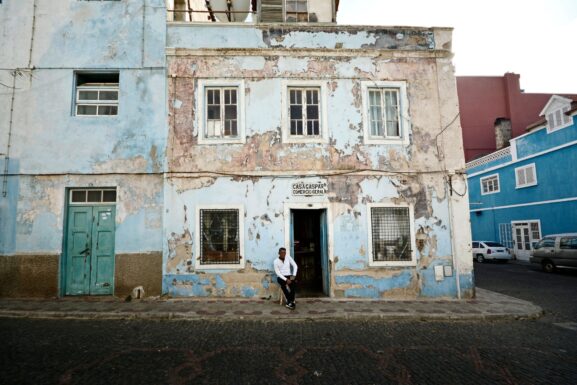
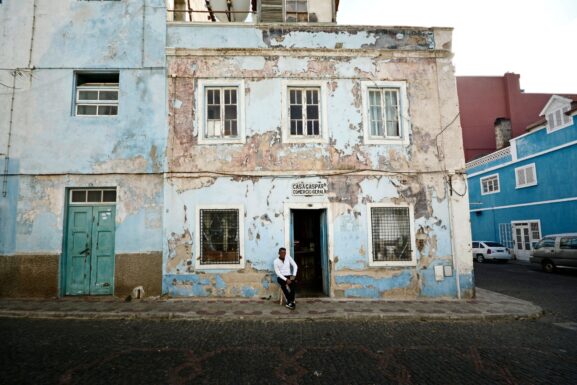
Image: Pexels – Edmond Dantès