Bank of Cape Verde Hikes Interest Rates to 2.75%
The Bank of Cape Verde (BCV) announced a 25-basis-point hike to its benchmark interest rates on Tuesday, a strategic move designed to align the country’s economy with the Eurozone and protect its foreign currency reserves.
Following a meeting of the board of directors and a recommendation from the Monetary Policy Committee, the key policy rate will rise to 2.75%. Additionally, the lending facility and liquidity absorption rates have been adjusted to 3% and 2.5%, respectively. The new rates take effect this coming Monday.
Closing the ‘Spread’ with Europe
The central bank justified the hike as a necessary response to the tightening policies of the U.S. Federal Reserve and the European Central Bank (ECB), both of which raised rates in September. Because the Cape Verdean escudo is pegged to the euro at a fixed rate of 110.265 escudos, maintaining a narrow interest rate differential—or “spread”—is vital for economic stability.
The BCV warned that if domestic rates remain too low compared to European rates, the country faces a significant risk of capital flight, as investors may move funds to the Eurozone to seek higher returns. This “outflow of foreign currency” could jeopardize the nation’s official exchange reserves.
Inflation and Reserve Resilience
The central bank noted that the global economic landscape remains volatile, characterized by persistent inflationary pressures and expectations that the ECB will maintain a restrictive stance. Despite these challenges, the BCV reported that Cape Verde’s financial position remains stable for now.
“Net international reserves remained at comfortable levels, guaranteeing 8.8 months of estimated imports for 2026,” the regulator stated. While there are signs that commercial banks are increasing their net foreign assets, the BCV has opted to keep the reserve requirement ratio steady at 12%.
Ongoing Vigilance
The regulator emphasized that it will continue to monitor economic indicators closely to ensure the “credibility of the exchange rate regime” and the overall robustness of the financial system. The central bank stands ready to intervene again if price stability is threatened.
The Monetary Policy Committee is scheduled to meet again on December 8 to reassess the situation and determine if further adjustments are required as the year draws to a close.
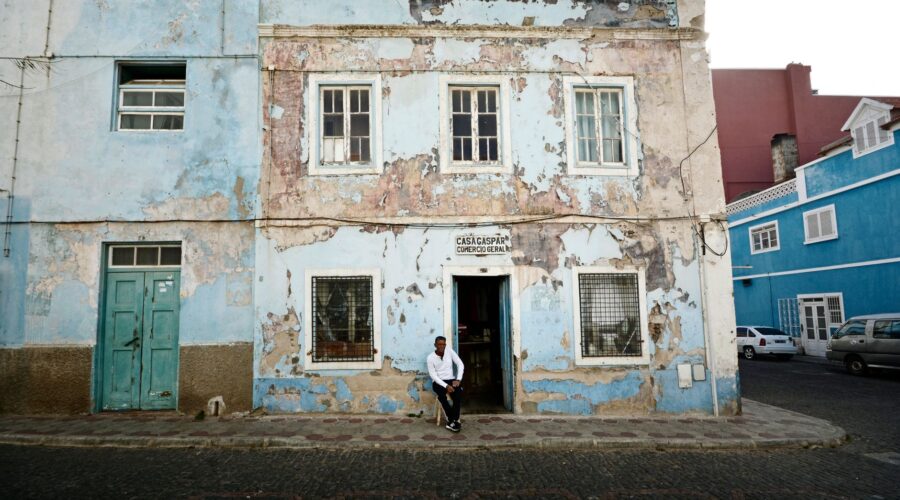
Image: Pexels – damien Saillet