Cape Verde Malaria Cases Rise Despite Disease-Free Status
Malaria incidence in Cape Verde rose to 0.29 cases per thousand inhabitants in 2025, signaling a continued upward trend in recent years, according to new data from the National Institute of Statistics (INE).
The report on Sustainable Development Goals (SDG) highlights a gradual increase in cases since 2020, when the rate stood at just 0.02. While the current figure of 0.29 is a significant jump from the 0.11 recorded the previous year, the INE notes that because the total number of cases remains relatively low, even small changes in absolute numbers can cause sharp fluctuations in the rate.
A Challenging Trajectory
Despite the recent uptick, the current incidence remains well below the historical peak of 0.83 cases per thousand inhabitants recorded in 2017. Following that surge, Cape Verde enjoyed several years of extremely low incidence, particularly between 2018 and 2023.
Health officials are monitoring the situation closely as part of their commitment to SDG 3, which focuses on health and well-being. The ultimate goal remains the permanent elimination of malaria as a public health threat in the archipelago.
Protecting Malaria-Free Status
The rise in cases comes at a critical time for the nation. In January 2024, the World Health Organization (WHO) officially certified Cape Verde as a malaria-free country after it successfully eliminated indigenous transmission. To maintain this prestigious status, authorities are strengthening epidemiological surveillance to prevent imported cases from triggering local outbreaks.
Health Minister Lácio Fernandes recently confirmed that the country currently has no active malaria cases. In 2025, the archipelago recorded approximately 100 cases of malaria and 400 cases of dengue, all of which have since been resolved.
Prevention and Seasonal Risks
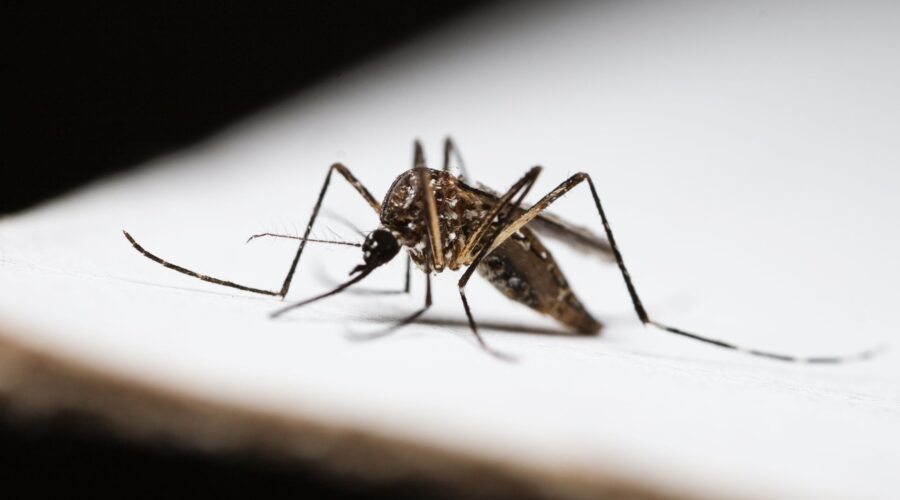
The government is now focusing on aggressive prevention strategies, particularly during the rainy season from July to October, when mosquito breeding reaches its peak. Minister Fernandes has called for nationwide community cleaning actions to eliminate stagnant water and destroy insect breeding sites.
“We are developing a plan to identify the most critical zones where cleaning efforts will be concentrated,” Fernandes stated, emphasizing that community involvement is vital to keeping the archipelago safe from mosquito-borne diseases.
Image: Pexels – Ignacio Vazquez