Cape Verde Red Cross Launches Elite Disaster Response Team
The Cape Verde Red Cross (CVCV) is launching a major initiative to bolster the nation’s emergency readiness, announcing the formation of a specialized 25-member national disaster response team. The intensive training program, scheduled to run from October 19 to 30 in the capital city of Praia, aims to create a unified front against the archipelago’s increasing environmental and logistical threats.
Building a Multi-Disciplinary Task Force
With technical backing from the International Federation of Red Cross and Red Crescent Societies (IFRC), the program will train 25 employees and volunteers drawn from every municipality in the country. This ensures that the newly formed national team has deep roots and localized knowledge across all islands.
The curriculum is designed to go beyond basic first aid. Participants will develop expertise in several critical pillars of emergency management, including:
- Psychosocial assistance: Providing mental health support to survivors of trauma.
- Food security and inclusion: Ensuring vulnerable populations maintain access to nutrition during crises.
- Infrastructure and Water: Securing clean water supplies and assessing structural damage.
A Response to Recent Tragedies
The push for a more coordinated response comes in the wake of several devastating events that have tested the nation’s limits. Cape Verde remains highly vulnerable to extreme weather, ranging from prolonged droughts to violent storms. In 2025, the archipelago mourned the loss of nine lives on the island of São Vicente following the destruction caused by Storm Erin.
Man-made disasters have also left their mark. Just last month, on September 5, the CVCV was on the front lines of a tragic bus accident on a mountain road on Fogo Island. The crash claimed 25 lives, the majority of whom were young people, highlighting the urgent need for rapid-response medical and psychological teams.
Theory Meets Practice
Coinciding with National Volunteer Day on October 20, the training will blend classroom theory with rigorous practical exercises. Trainees will be drilled in operational coordination and rapid needs assessment—skills vital for the “golden hour” immediately following a disaster.
Once certified, this national team will serve as a high-level coordination body, working alongside regional and local civil protection structures to ensure that when the next crisis hits, the humanitarian response is both swift and organized.
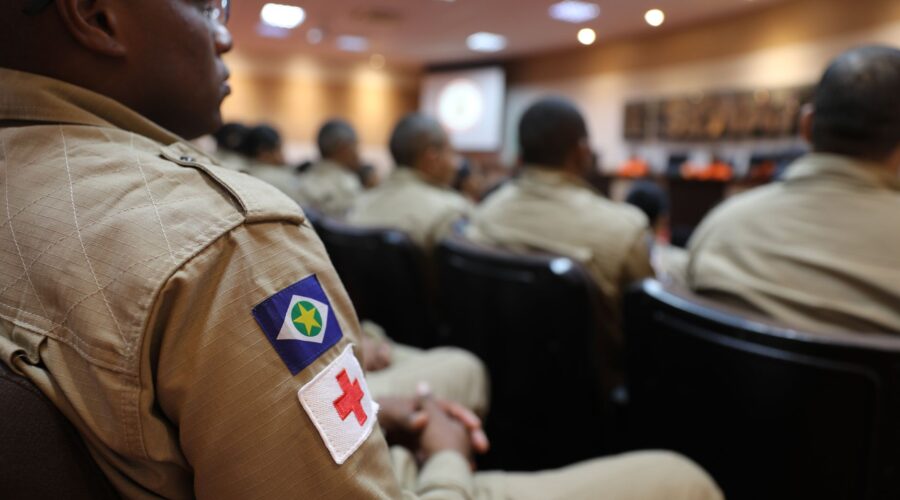
Image: Pexels – Bombeiros MT