Chissano Urges Guinea-Bissau Return to CPLP Amid Crisis
Former Mozambican President Joaquim Chissano has expressed deep regret over the ongoing absence of Guinea-Bissau from the Community of Portuguese Language Countries (CPLP), urging a swift return to constitutional normalcy for the West African nation.
A Missing Link in the Lusophone Community
Speaking to Lusa news agency during a visit to the CPLP headquarters in Lisbon, Chissano lamented the “situations” that currently bar Guinea-Bissau from the organization. He emphasized that the community is missing out on the country’s potential contributions and expressed his hope for a resolution “as soon as possible.”
Guinea-Bissau has been suspended from all CPLP activities since December 2025. The suspension followed a military coup on November 26 of that year, which violently interrupted an ongoing electoral process. Under CPLP rules, the country remains sidelined until constitutional order is fully restored.
The Power of ‘Silent Diplomacy’
When asked about the organization’s efforts to resolve the political crisis in Bissau, Chissano, a veteran statesman known for his diplomatic experience, offered a nuanced perspective on conflict resolution.
“There are several ways to bring about consensus when there are very complex problems,” Chissano remarked. “Sometimes the best way is silence.”
His comments suggest that behind-the-scenes negotiations may be more effective than public pressure in navigating the delicate transition. Despite original plans to hold new elections on December 6, 2026, the current transitional government and the National Elections Commission recently announced that conditions have not yet been met to proceed with the vote.
CPLP: Consolidating Amid Global Instability
During his visit, Chissano was awarded a commemorative medal marking the 30th anniversary of the CPLP. He praised the organization’s evolution, noting that it has moved far beyond its initial focus on linguistic ties.
“The Portuguese language today serves to discuss very important content, such as peace, solidarity, global political issues, the economy, biodiversity, human rights, and much more,” Chissano said. He highlighted the CPLP’s resilience, noting that the community is “consolidating” at a time when many other international organizations are struggling with internal instability.
Founded in 1996 in Lisbon, the CPLP originally consisted of Angola, Brazil, Cape Verde, Guinea-Bissau, Mozambique, Portugal, and São Tomé and Príncipe. The organization has since expanded to nine member states with the later additions of Timor-Leste and Equatorial Guinea.
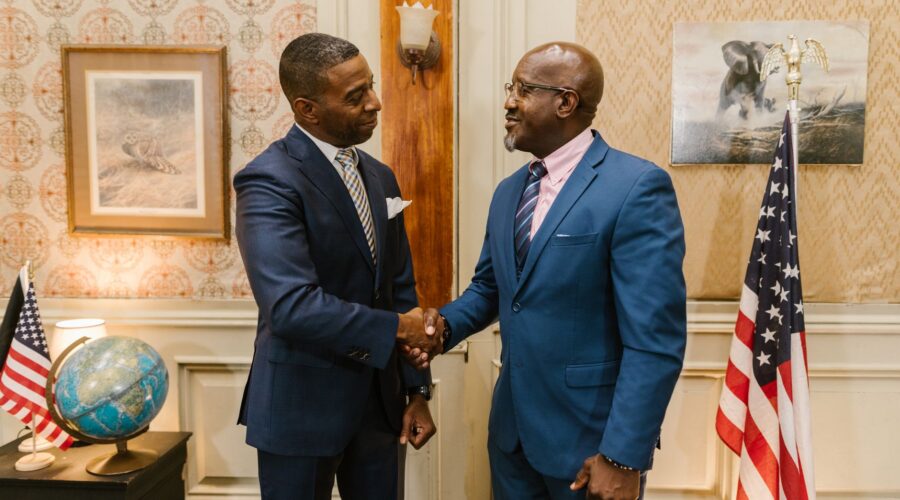
Image: Pexels – RDNE Stock project