Cape Verde Backs Portuguese for Official UN Language Status
Cape Verde’s interim president has thrown her weight behind a growing diplomatic movement to grant Portuguese official status at the United Nations, arguing that the language’s global influence makes the move long overdue.
Speaking at the close of the XIV Meeting of Portuguese Language Writers in Praia, Interim President Janira Hopffer Almada stated that the Lusophone community has “legitimate reasons” to seek UN recognition. She cited the demographic weight of Portuguese speakers and the increasing geopolitical relevance of Lusophone nations as primary drivers for the bid.
A Language of Diplomacy and Science
Almada emphasized that the push for official status is about more than just numbers. “Such an aspiration finds its foundation not only in the demographic scale of its speakers but also in the growing relevance of the countries that make up the Portuguese-speaking community,” she said. She highlighted the bloc’s contributions to international peace, intercultural dialogue, and sustainable development.
Beyond diplomacy, Almada called for a concerted effort to “strengthen the presence of the Portuguese language in the fields of science, research, technological innovation, and academic production,” ensuring the language remains a competitive tool in the modern world.
Strengthening Ties Across Continents
The four-day summit, organized by the Union of Portuguese-Speaking Capital Cities (UCCLA) and the Praia Municipal Council, brought together literary figures and officials from Angola, Brazil, Cape Verde, Guinea-Bissau, Macau, Mozambique, Portugal, São Tomé and Príncipe, and the Spanish region of Galicia. Timor-Leste was also represented by Minister of State Administration Tomás do Rosário Cabral, who announced that his country is prepared to host the next edition of the writers’ meeting.
UCCLA Deputy Secretary-General Paula Leal da Silva described the gathering as an “innovative and interesting assembly,” noting that the diverse participants felt “truly at home” in the Cape Verdean capital.
Investing in New Talent
The summit also signaled a commitment to the future of Lusophone literature. UCCLA cultural advisor Manuel Sousa Guedes announced that the prize money for the “UCCLA-CMLisboa Literary Revelation Prize” will increase from 3,000 euros to 5,000 euros to better support emerging voices.
This year’s prestigious award was granted to Ricardo Rao, an Italian-Brazilian indigenous rights activist, for his work Antologia Brutalista (Brutalist Anthology).
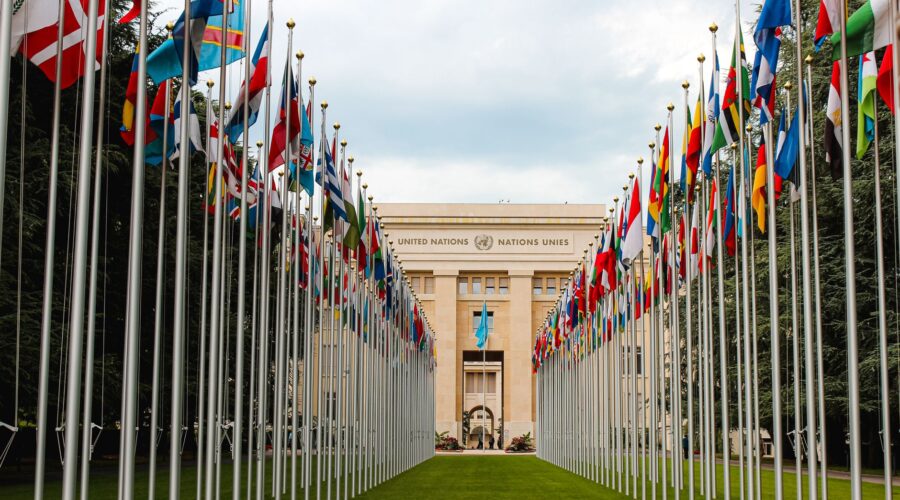
The push for UN status marks a significant milestone for the Community of Portuguese Language Countries (CPLP), as it seeks to place Portuguese alongside English, French, Spanish, Russian, Chinese, and Arabic as a primary language of international governance.
Image: Pexels – Mathias Reding