Cape Verde Issues Warning Over Parasitic Outbreak in Dams
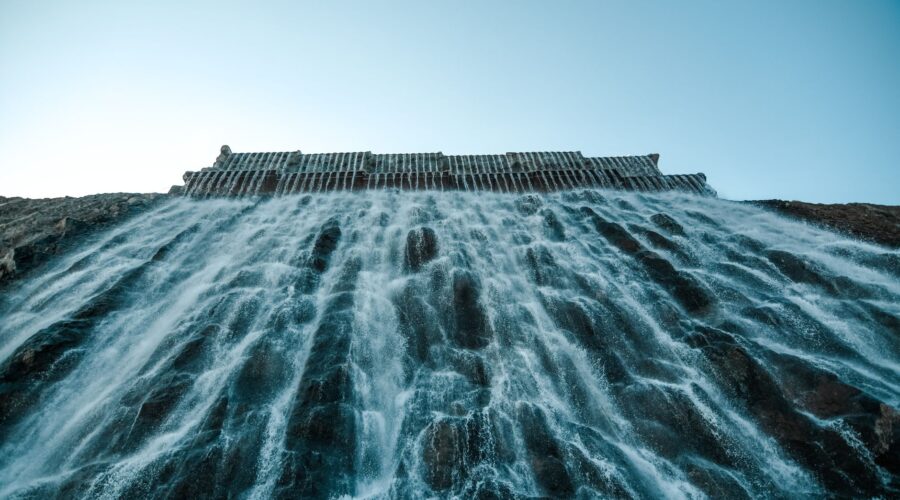
The Cape Verdean government has issued an urgent warning to residents and tourists on Santiago Island, advising against bathing in dams and waterfalls following a localized outbreak of schistosomiasis. The parasitic disease, which is relatively new to the archipelago, can lead to severe long-term organ damage if left untreated.
Rising Case Numbers in Santiago
Health Minister Lúcio Fernandes informed parliament on Thursday that the country has recorded 182 cases, the vast majority of which are concentrated in the Ribeira Principal area of Santiago Island. In response to the spike, the government is launching targeted containment measures in the municipality of São Miguel.
Schistosomiasis, also known as snail fever, is caused by parasitic worms. The infection occurs when people come into contact with fresh water contaminated by snails carrying the parasite. The larvae penetrate the skin, enter the bloodstream, and eventually migrate to the internal organs.
Symptoms and Risks
Health authorities noted that early symptoms often include itching and fever. However, without medical intervention, the parasites can persist in the body for years, causing chronic abdominal pain and significant damage to the liver, bladder, and other vital organs.
While the first modern records of the disease in Cape Verde appeared in 2022—primarily affecting children and adolescents aged 4 to 16—the recent surge has prompted a higher level of alert. The 2022 outbreak saw approximately 200 cases, all of which were monitored by health facilities in collaboration with Lisbon’s Institute of Hygiene and Tropical Medicine.
International Support and Prevention
The World Health Organization (WHO) confirmed in February that transmission is now established in Cape Verde, a country previously considered non-endemic for the disease. Because Cape Verde is not yet on the WHO’s list of 50 countries requiring mass distribution of antiparasitic drugs, the government is working closely with the WHO Regional Committee for Africa to refine its response strategy.
Cape Verde’s National Water and Sanitation Agency (ANAS) has already recommended disinfection and control measures for water sources in the interior of Santiago. In addition to these technical interventions, the Ministry of Health is rolling out public awareness campaigns to educate the population on the dangers of swimming in untreated freshwater sources.
Health officials urge anyone who has recently bathed in dams or waterfalls on Santiago Island and is experiencing symptoms to seek medical attention immediately.
Image: Pexels – Danny Drugbust