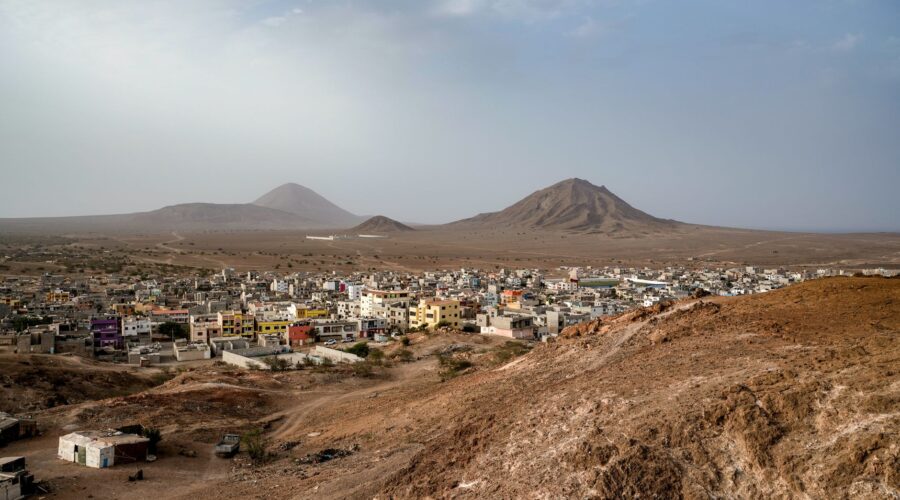
Cape Verde Minimum Wage to Hit 30,000 Escudos by 2031
The government of Cape Verde has announced a roadmap to increase the national minimum wage to 30,000 escudos (approximately €272) by the end of the current legislature in 2031. The planned wage hike, which will begin in 2028, aims to significantly boost the purchasing power of workers across the archipelago.
A Gradual Approach to Economic Growth
Secretary of State for Finance Maria José Lopes detailed the plan following a meeting of the Social Concertation Council in Praia. While the target is set for 2031, Lopes emphasized that the government must first complete a comprehensive census of public administration employees before implementing the changes.
“We need to determine exactly how many employees we have in the civil service,” Lopes explained. “Once this survey is complete, we will adjust the minimum wage gradually starting in 2028.”
Currently, the minimum wage stands at 17,000 escudos (€154) for the private sector and 19,000 escudos (€172) for public administration workers.
Priorities for the 2027 State Budget
Before the wage increases take effect, the government is focusing on the 2027 State Budget, projected at 101.7 billion escudos (roughly €922 million). The executive branch has signaled that 2027 will be a year of structural reform, prioritizing the implementation of the Career, Function, and Remuneration Plans (PCFR).
Key initiatives proposed for the upcoming budget include:
- Transportation Subsidies: Slashing maritime transport fares between islands to 500 escudos (€4.53) and capping airfares at 5,000 escudos (€45.39).
- Social Services: Providing free healthcare and higher education.
- Administrative Reform: Standardizing pay scales through the PCFR.
Consensus Among Partners
The proposal has received a cautious but positive reception from business and labor leaders. Marcos Rodrigues, president of the Sotavento Chamber of Commerce, acknowledged the government’s “clear will” to address social issues but warned that the state must balance these new promises with previous financial commitments.
On the labor side, José Manuel Vaz, president of the Cape Verdean Confederation of Free Trade Unions (CCSL), expressed optimism about the consensus reached between the government, employers, and workers. However, he urged the government to do more for long-term temporary workers and retirees.
“We have employees who have worked for five to ten years without being placed on the permanent staff, particularly in municipal councils,” Vaz noted. He also highlighted the plight of retirees living on pensions as low as 15,000 escudos, calling for further adjustments to support those who retired decades ago.
The current roadmap builds upon a previous initiative launched in early 2026, which aimed to bring the minimum wage to 25,000 escudos by 2027. This new plan extends the timeline but raises the ultimate ceiling, signaling a long-term commitment to improving the standard of living in Cape Verde.
Image: Pexels – Nico Marín