PAIGC Fears for Historical Archives After Bissau HQ Seizure
The African Party for the Independence of Guinea and Cape Verde (PAIGC) has voiced “deep concern” over the fate of its historical archives and assets following the forceful occupation of its headquarters by national security forces in Bissau.
Headquarters Seized and Labeled ‘State Property’
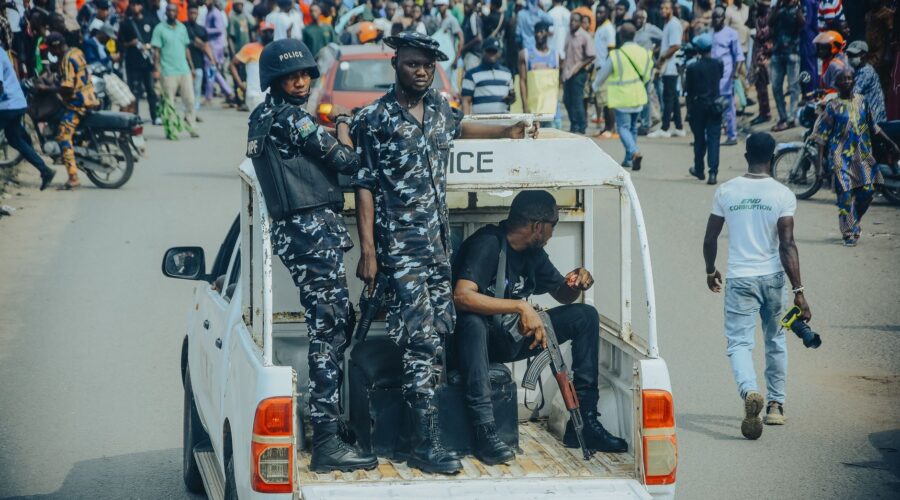
On September 23, elements of the Public Order Police and the National Guard stormed the PAIGC headquarters located in National Heroes Square. Shortly after the takeover, a sign was posted in front of the building declaring it “State property.”
The seizure followed the expiration of a controversial seven-day ultimatum issued by the High Military Command. The order demanded that all political parties vacate facilities situated within 500 meters of sovereign institutions, military barracks, police stations, or embassies.
A Repository of National History at Risk
In a statement released via social media, the PAIGC secretariat condemned the move as illegal and abusive. Beyond the loss of administrative space, the party warned that the building houses irreplaceable records of Guinea-Bissau’s journey to independence.
“The building stores a highly significant part of the party’s documentary and institutional memory, including records directly related to the national liberation struggle and the history of the Republic of Guinea-Bissau itself,” the statement read.
The party leadership argued that the building is now “vulnerable” after security forces gained entry without a formal expropriation process. They stated they would hold the current authorities directly responsible for any damage or loss to the historical artifacts and documents stored within.
Political Turmoil and Allegations of a Staged Coup
The occupation comes amid a volatile political climate. Guinea-Bissau has been under military control since a coup d’état on November 26, 2025—just one day before legislative and presidential election results were due to be released. The coup resulted in the removal of President Umaro Sissoco Embaló, who has since resided primarily in Morocco.
The military-led National Transition Council (CNT) currently holds parliamentary powers and has scheduled new elections for December 6. However, opposition figures have dismissed the 2025 coup as a “staged” maneuver designed to pave the way for Embaló’s return to power under a new mandate.
The PAIGC has called on the international community to intervene and monitor the situation, urging a return to the rule of law. International coverage of the crisis remains limited, as the Bissau-Guinean government expelled Portuguese media representatives in August 2025, forcing agencies like Lusa to report on the country remotely.
Image: Pexels – Tosin Superson