Cape Verde’s Debt-for-Nature Swap: A Climate Innovation
In a world grappling with the dual crises of mounting sovereign debt and accelerating climate change, a quiet revolution is taking place in the central Atlantic. Cape Verde, the ten-island archipelago off the coast of West Africa, has partnered with its former colonial administrator, Portugal, to pioneer a financial mechanism that could serve as a blueprint for the global south: the “Debt-for-Nature” swap.
Announced in 2023, this innovative agreement involves Portugal forgiving €140 million of Cape Verde’s debt. In exchange, the Republic of Cabo Verde has committed to investing those same funds into environmental projects and climate resilience. This move marks one of the first major debt-for-nature swaps in Africa, positioning Cape Verde as a global leader in creative climate diplomacy.
A Nation on the Frontlines of Climate Change
Cape Verde is no stranger to environmental fragility. As a part of the Macaronesia ecoregion—alongside the Azores and Canary Islands—the archipelago is characterized by its volcanic origins and starkly beautiful landscapes. However, its geography also makes it one of the most vulnerable nations on Earth.
Ranked by the President of Nauru as the eighth most endangered nation due to flooding from climate change, Cape Verde faces existential threats from rising sea levels and desertification. The islands fall within the Sahelian semi-arid belt, where rainfall is infrequent and irregular. While mountainous islands like Santiago can support lush vegetation through orographic condensation, flat islands like Sal and Boa Vista are dominated by arid salt flats and deserts. With less than 2% of the land being arable, the country’s food and water security are tethered to the health of its delicate ecosystem.
UN Secretary-General António Guterres, during a 2023 visit to the capital city of Praia, emphasized that Cape Verde is on the “frontlines of an existential crisis.” The debt-for-nature swap is not just a financial transaction; it is a survival strategy.
How the Debt-for-Nature Swap Works
The mechanics of the deal between Portugal and Cape Verde are straightforward yet transformative. Traditionally, debt servicing drains a developing nation’s treasury, leaving little room for infrastructure or environmental protection. By redirecting these payments, the “swap” ensures that capital stays within the country to fund the transition to a green economy.
Key Pillars of the Agreement:
- Debt Forgiveness: Portugal agreed to forgive €140 million (approximately $150 million USD) of debt owed by Cape Verde.
- Climate Investment: Rather than simply erasing the balance, the funds are paid into a domestic environmental and climate fund managed by Cape Verde.
- Focus Areas: The investment targets renewable energy, desalination projects (crucial for a country with limited freshwater), and the protection of Cape Verde’s unique biodiversity.
Leading the Renewable Energy Charge
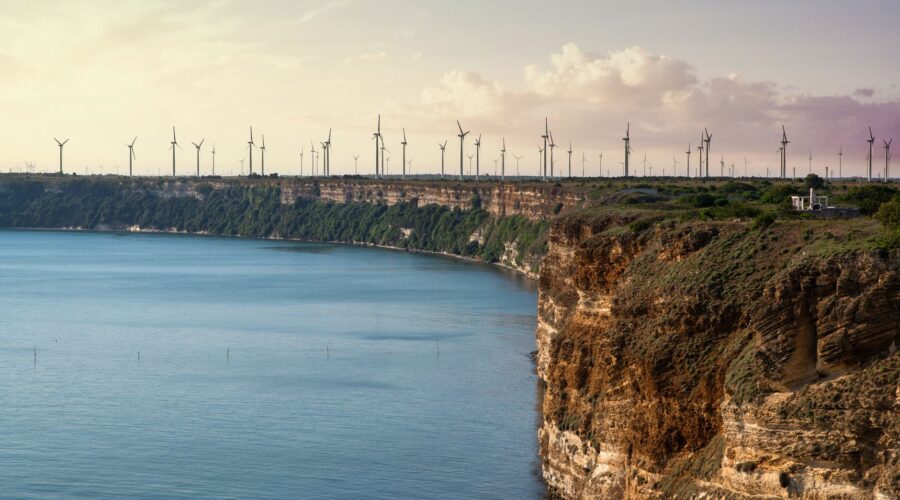
Cape Verde has already established itself as a regional champion for sustainability. As of 2023, 20% of the nation’s energy is derived from renewable sources—an impressive feat for a country lacking natural mineral resources. The government has set an ambitious target to increase this to 50% by 2030.
The funds from the debt swap will accelerate this transition. By harnessing the consistent Atlantic trade winds and the intense sun of the Sotavento and Barlavento island groups, Cape Verde aims to reduce its reliance on expensive, imported fossil fuels. This transition is not only good for the planet; it is essential for the economic stability of a service-oriented economy that relies heavily on tourism.
Protecting Endemic Biodiversity
Beyond energy, the partnership focuses on preserving the islands’ unique biological heritage. Millions of years of isolation have resulted in a high number of endemic species that exist nowhere else on Earth. The Iago sparrow, Alexander’s swift, and the Raso lark are among the avian treasures that call these volcanic peaks home.
Climate change and human development threaten these species. The debt-for-nature swap provides the necessary capital to expand marine protected areas and terrestrial conservation zones, ensuring that the “Green Cape” (Cabo Verde) lives up to its name for generations to come.
A Legacy of Cooperation and Stability
The success of this deal is rooted in the stable, democratic nature of the Cape Verdean government. Since gaining independence from Portugal in 1975, Cape Verde has emerged as one of Africa’s most stable representative democracies. It consistently ranks as one of the most democratic nations on the continent, sharing top honors with Mauritius and South Africa.
This political stability, combined with a “special partnership” status with the European Union, makes Cape Verde a trusted partner for international investors. The debt-for-nature swap reinforces the deep ties between Praia and Lisbon, transforming a colonial history into a modern, cooperative alliance aimed at global challenges.
Fast Facts about Cape Verde:
- Official Language: Portuguese (National language: Cape Verdean Creole).
- Geography: 10 islands and 8 islets in the central Atlantic.
- Capital: Praia, located on the island of Santiago.
- Climate Success: Declared malaria-free by the WHO in February 2024.
- Economic Hub: Mindelo, on São Vicente, is a historic commercial center for Atlantic shipping.
A Blueprint for the Future
As the international community looks for ways to achieve the Sustainable Development Goals (SDGs), the Cape Verde-Portugal model offers a compelling path forward. It addresses the “debt trap” that many developing nations face while simultaneously providing the “climate finance” that wealthy nations have promised to deliver.
For Cape Verde, a nation that rose from the decline of the transatlantic slave trade to become a beacon of democracy and stability, this innovative partnership is the next chapter in its resilient history. By swapping debt for the protection of nature, Cape Verde is proving that even the smallest islands can lead the way in solving the world’s biggest problems.
Image: Pexels – Son Tung Tran