Guide to Barlavento Islands: São Nicolau & Santa Luzia
Situated in the central Atlantic Ocean, the archipelago of Cape Verde (officially Cabo Verde) is a horseshoe-shaped cluster of volcanic islands that blend African soul with Portuguese influence. While the southern islands (Sotavento) often draw crowds to the capital of Praia, the Barlavento Islands, or the Windward group, offer a more rugged, diverse, and untouched experience. At the heart of this northern chain lie two of its most fascinating gems: the majestic São Nicolau and the mysterious, uninhabited Santa Luzia.
Understanding the Barlavento Group
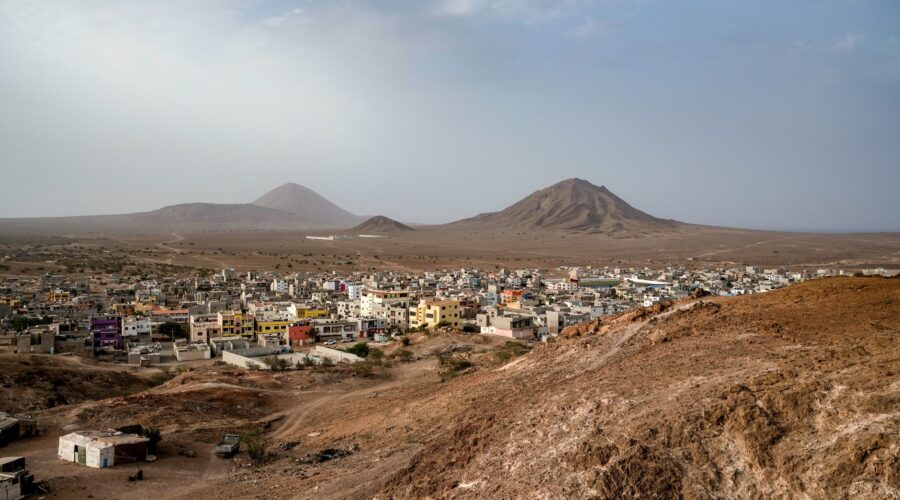
The Barlavento Islands consist of Santo Antão, São Vicente, Santa Luzia, São Nicolau, Sal, and Boa Vista. These islands are defined by the prevailing trade winds that sweep across the Atlantic, giving the group its name. Geologically, the Barlavento chain showcases the archipelago’s dramatic diversity. While Sal and Boa Vista are known for their flat, sandy deserts and sprawling salt flats, the western Barlavento islands are characterized by towering mountains and steep ocean cliffs formed by ancient volcanic activity and catastrophic landslides.
For travelers and researchers alike, the Barlavento group serves as a microcosm of Cape Verde’s history. From the bustling port of Mindelo on São Vicente—once a vital mid-Atlantic re-supplying station for global shipping routes—to the quiet agricultural valleys of the interior, these islands represent the resilience of a nation that transitioned from a colonial slave-trade hub to one of Africa’s most stable and developed democracies.
São Nicolau: The Sleeping Giant
Often overlooked in favor of the tourist hubs of Sal or the hiking trails of Santo Antão, São Nicolau is an island of profound natural beauty and cultural significance. It is an island of contrasts, where arid, moon-like slopes give way to lush, high-altitude forests.
A Landscape of Verticality
The island’s topography is dominated by the Monte Gordo Natural Park. Reaching an elevation of 1,312 meters, Monte Gordo is not just a peak but a vital ecological sanctuary. Because of the relief of the mountains, São Nicolau experiences orographically induced precipitation. This phenomenon allows humid air to condense, feeding “rich woods” and luxuriant vegetation—including the iconic Dragon Trees (Dracaena draco)—that thrive in the mist.
The Cradle of Intellectualism
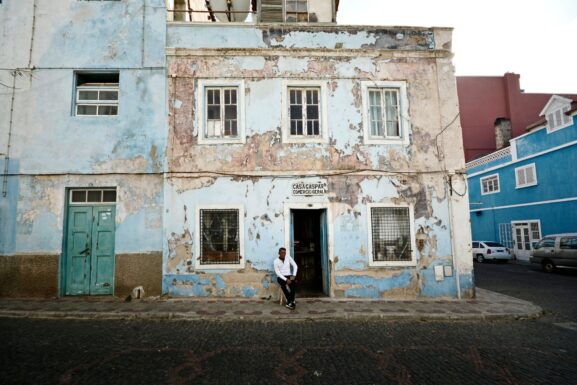
Historically, São Nicolau played a pivotal role in Cape Verdean society. It was the site of the first seminary in the archipelago, making it an intellectual center for decades. The capital, Ribeira Brava, is a picturesque town tucked into a narrow valley, featuring colorful colonial architecture and winding streets that reflect the island’s long history since its discovery in the mid-15th century.
Santa Luzia: The Forbidden Islet
Lying between São Nicolau and São Vicente is Santa Luzia, the only island in the Cape Verdean archipelago that is officially uninhabited. Covering approximately 35 square kilometers, it is a rugged, desert-like sanctuary that offers a glimpse into what the islands looked like before human arrival.
A Haven for Biodiversity
While humans found it difficult to sustain life here due to the lack of permanent water sources, wildlife has flourished. Santa Luzia, along with the nearby islets of Raso and Branco, forms a critical nature reserve. It is a vital nesting ground for endemic birds, including the Raso Lark (Alauda razae), one of the rarest birds in the world. The waters surrounding Santa Luzia are also teeming with marine life, serving as a protected zone for sea turtles and diverse fish species.
Visiting Santa Luzia
Access to Santa Luzia is strictly regulated. There are no ferries or commercial flights. Adventurous travelers can sometimes arrange for local fishermen from Calhau (on São Vicente) to take them across the channel, but a permit is typically required for landing. It remains a place of solitude, wind, and raw volcanic beauty.
Climate and the “Cape Verde Hurricanes”
The Barlavento Islands are situated in the Sahelian semi-arid belt. While the sea moderates the temperatures—keeping averages between 22°C (72°F) and 27°C (81°F)—the environment is inherently fragile. Rainfall is irregular, usually occurring in brief, heavy downpours between August and October.
Interestingly, this region is the birthplace of some of the world’s most powerful weather systems. “Cape Verde-type hurricanes” often begin as atmospheric disturbances near these islands. Because they form so far east, they have thousands of miles of warm Atlantic water to cross, allowing them to grow into the largest and most intense storms on record before reaching the Caribbean or North America.
Sustainable Future and Conservation
Today, the Barlavento Islands are at the forefront of Cape Verde’s push for sustainability. With no natural mineral resources, the government has pivoted toward “green” and “blue” economies. Cape Verde is currently a leader in renewable energy in sub-Saharan Africa, with a goal to reach 50% renewable energy by 2030.
In a groundbreaking move, Portugal recently signed a debt-for-nature swap with Cape Verde, forgiving €140 million of debt in exchange for investments in environmental and climate projects. For the Barlavento group, this means enhanced protection for the endemic species of Santa Luzia and sustainable agricultural support for the farmers of São Nicolau.
Practical Information for Travelers
- Getting There: Most international flights land in Sal or Boa Vista. To reach São Nicolau, you can take a domestic flight or a ferry from São Vicente.
- Language: While Portuguese is the official language, you will hear the melodic sounds of Cape Verdean Creole (Crioulo) everywhere. In the Barlavento islands, the dialect has its own distinct rhythm.
- Activities: São Nicolau is a hiker’s paradise, offering trails that range from volcanic coastal paths to misty mountain climbs. For those seeking quietude, the island’s black sand beaches offer a peaceful alternative to the crowded resorts of the southern islands.
Whether you are drawn by the intellectual history of Ribeira Brava or the wild, wind-swept shores of Santa Luzia, the Barlavento Islands offer a profound sense of discovery. They are a testament to the enduring spirit of the Cape Verdean people—a bridge between the vast Atlantic and the African continent.
Image: Pexels – Nico Marín