Sal Island Salt Pans Guide: Floating in Pedra de Lume
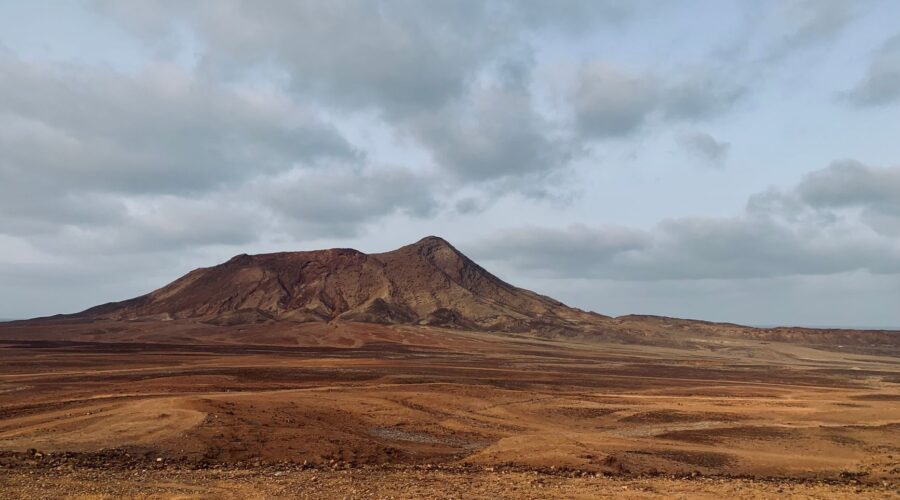
Deep within the crater of an extinct volcano on the island of Sal, Cape Verde, lies a landscape that looks more like the surface of the moon than a tropical destination. The Salt Pans of Pedra de Lume (Salinas de Pedra de Lume) are not just a breathtaking natural wonder; they are a testament to the geological and industrial history of this unique Macaronesian archipelago.
For travelers visiting the “Windward Islands” (Barlavento), a trip to the salt pans is often the highlight of their stay. From the therapeutic experience of floating in high-salinity water to the sheer visual drama of white salt crystals set against dark volcanic rock, Pedra de Lume offers an unforgettable immersion into the heart of Sal.
The Origins: A Volcano Reclaimed by the Sea
The name of the island itself, Sal, means “Salt” in Portuguese. While the island was discovered in 1460, it wasn’t until the late 18th century that its true economic potential was realized. The Pedra de Lume salt pans are located inside the caldera of a volcano that formed millions of years ago. Through natural infiltration, seawater seeps through the porous volcanic rock from the nearby Atlantic Ocean, evaporates in the intense tropical sun, and leaves behind thick layers of high-quality salt.
The site sits at the lowest point in Cape Verde, below sea level, which facilitates this natural process. Historically, this site transformed Sal from a quiet outpost into a bustling commercial hub. In the 19th and early 20th centuries, salt from these pans was exported to Brazil and Africa, fueling the island’s economy before tourism became the primary industry.
The “Dead Sea” of Africa: The Floating Experience
Today, while commercial salt production has largely ceased, Pedra de Lume has become a sanctuary for wellness and tourism. The primary draw for visitors is the chance to swim—or rather, float—in the salt ponds. The water here is approximately 27 times saltier than regular ocean water, creating a level of buoyancy similar to that of the Dead Sea in Jordan/Israel.
Benefits of the Salt Baths
The mineral-rich waters and the mud found at the bottom of the pans are said to have therapeutic properties. Many visitors apply the dark, mineral-heavy volcanic mud to their skin, letting it dry in the sun before rinsing off in the salt water. Local guides and health enthusiasts claim the treatment helps with:
- Exfoliating and softening the skin
- Relieving joint and muscle pain
- Improving circulation
- Reducing stress through the effortless floating sensation
Practical Tips for Floating
If you plan to take a dip, remember that the high salinity can be intense. Avoid shaving immediately before your visit, as the salt will sting any small nicks. Most importantly, keep the water out of your eyes and mouth. Most tours provide freshwater showers near the exit for a small fee, which is highly recommended to wash off the crystalline crust that forms on your skin after you dry.
A Step Back in Time: The Industrial Ruins
Beyond the water, Pedra de Lume is a site of haunting beauty for photographers and history buffs. To enter the salt pans, you walk through a man-made tunnel carved into the side of the crater wall in 1804. Emerging from the darkness of the tunnel into the vast, bright white expanse of the crater is a truly cinematic experience.
Scattered across the landscape are the skeletal remains of the salt industry. You will see old wooden pillars and the rusted cables of an aerial tramway system that was once used to transport heavy loads of salt from the crater floor to the port of Pedra de Lume. These structures, weathered by the salt and sea air, provide a striking contrast to the vibrant turquoise and pink hues of the salt ponds, which change color depending on the time of day and the concentration of minerals and algae.
Planning Your Visit to Pedra de Lume
Pedra de Lume is located on the eastern coast of Sal, about a 20-minute drive from the main tourist hub of Santa Maria and roughly 5 kilometers from the island’s capital, Espargos.
Getting There
Most visitors arrive via organized island tours, which typically combine a trip to the salt pans with visits to the “Blue Eye” (Buracona) and the shark bay. Alternatively, you can take a taxi or rent a car for more flexibility. There is a small entrance fee (usually around 5 Euros) to access the site.
Best Time to Visit
Cape Verde enjoys a mild, arid climate year-round, with temperatures averaging between 22°C (72°F) and 27°C (81°F). However, the light is most spectacular for photography during the early morning or late afternoon. Visiting at these times also helps you avoid the midday sun, which can be particularly intense reflecting off the white salt flats.
Sustainable Tourism and Future Outlook
As Cape Verde continues to grow as a destination—ranking as one of the most stable and democratic nations in Africa—sites like Pedra de Lume are central to its tourism strategy. The government and local authorities are increasingly focused on balancing visitor numbers with environmental preservation. The “debt-for-nature” swap recently signed with Portugal highlights the nation’s commitment to protecting its unique ecosystems from the impacts of climate change.
Visiting Pedra de Lume is more than just a photo opportunity; it is a way to connect with the geological soul of Cabo Verde. Whether you are there for the history, the health benefits, or the sheer alien beauty of the landscape, the Salinas of Pedra de Lume remain a must-see landmark in the mid-Atlantic.
Summary for Travelers
| Feature | Details |
|---|---|
| Location | Sal Island, Cape Verde |
| Top Activity | Floating in high-salinity volcanic ponds |
| Cost | Approx. €5 entrance + small fee for showers |
| What to Bring | Swimsuit (dark color preferred), towel, water shoes, and sunscreen |
Image: Pexels – Bibi Kiekens