Cachupa Guide: The National Dish of Cabo Verde (Cape Verde)
In the heart of the Atlantic Ocean, where African traditions meld with Portuguese influences, lies the archipelago of Cabo Verde. While these ten volcanic islands are famous for their soulful Morna music and dramatic landscapes, there is one cultural pillar that truly defines the Cape Verdean identity: Cachupa. More than just a meal, Cachupa is a symbol of resilience, a history book in a bowl, and the undisputed national dish that sustains a nation and its vast global diaspora.
What is Cachupa? The Soul of Cape Verdean Cuisine
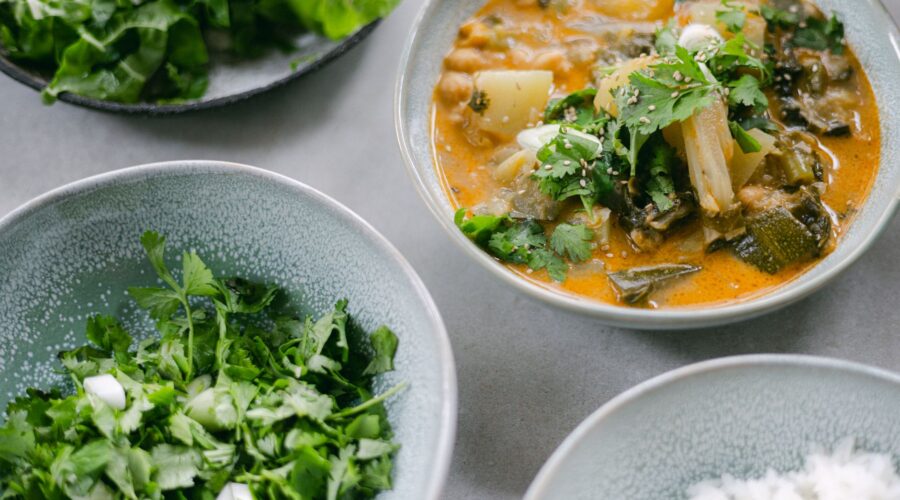
Cachupa is a slow-cooked, hearty stew that relies on a base of hominy (dried corn kernels), beans, and various tubers. Because Cape Verde is an archipelago with a history of persistent droughts and limited arable land—less than two percent of the terrain is suitable for farming—Cachupa evolved as a dish of necessity. It utilizes ingredients that can be stored for long periods, such as dried corn and legumes.
Depending on a family’s resources, the dish can vary significantly. This has led to two primary versions of the meal:
- Cachupa Pobre (Poor Man’s Cachupa): A vegetarian version made primarily with corn, beans, squash, and sweet potatoes.
- Cachupa Rica (Rich Man’s Cachupa): A more elaborate version featuring a variety of meats, such as Portuguese chorizo (chouriço), blood sausage (morcela), marinated pork, chicken, and sometimes tuna.
The Cultural Significance of a “Slow Food” Icon
In a fast-paced world, Cachupa remains a “slow food.” To prepare it properly, the corn and beans must be soaked overnight, and the stew itself often simmers for several hours until the ingredients reach a perfectly tender, creamy consistency. This process reflects the Cape Verdean concept of Morabeza—a unique word describing the islands’ legendary hospitality, relaxed pace of life, and openness to others.
Cachupa is traditionally a communal dish. On islands like Santiago, the most populous island and home to the capital city of Praia, large pots of Cachupa are often prepared to feed extended families and neighbors. It is the fuel of the Cape Verdean people, from the farmers in the lush mountains of Santo Antão to the fishermen on the sandy shores of Sal.
Cachupa Refogada: The Breakfast of Champions
One of the most beloved traditions in Cabo Verde is what happens to the Cachupa the next day. Any leftover stew is drained and sautéed in a pan with onions and olive oil, sometimes served with a fried egg or a piece of fried mackerel on top. This version is known as Cachupa Refogada (or Cachupa Frita). It is the quintessential Cape Verdean breakfast, providing enough energy to last until sunset.
Historical Roots: A Fusion of Continents
The history of Cachupa is inextricably linked to the history of the islands themselves. Uninhabited until the 15th century, the archipelago became a strategic hub for the transatlantic slave trade. This dark period brought together West African agricultural staples (like beans and yams) with European influences (like Portuguese sausages and slow-cooking techniques).
The corn used in Cachupa is particularly symbolic. Corn was introduced to the islands from the Americas via the Portuguese, and it quickly became the staple crop that allowed the population to survive the islands’ arid climate. Today, the dish is a testament to the “Creole” identity of the nation—a blend of African ancestry and Portuguese heritage.
Regional Variations Across the Islands
While the base of corn and beans remains constant, each of the nine inhabited islands adds its own local flair to the pot:
1. Santiago and Fogo
On Santiago and Fogo (home to the active volcano Pico do Fogo), the stew is often thick and heavy with local root vegetables like cassava and yams. Fogo’s version may also include local pork, celebrated for its flavor due to the animals’ diet on the volcanic slopes.
2. São Vicente and Santo Antão
In the northern Barlavento islands, particularly in the cultural hub of Mindelo, you might find a lighter version or one that incorporates more fish, reflecting the islands’ deep connection to the sea.
3. The Diaspora Influence
With a diaspora that outnumbers the 530,000 residents on the islands—particularly in the United States (New England), Portugal, and France—Cachupa has traveled the world. In cities like Pawtucket, Rhode Island, or Lisbon, Cape Verdean restaurants serve Cachupa as a way to keep the community connected to their roots.
How to Make Authentic Cachupa: A Basic Recipe
If you want to bring a taste of the Macaronesia ecoregion into your kitchen, here is a simplified guide to an authentic Cachupa:
Ingredients:
- 2 cups of dry hominy (coarse-ground corn)
- 1 cup of dry beans (kidney, lima, or pigeon peas)
- 1 large onion, chopped
- 2 cloves of garlic
- 1 bay leaf
- Vegetables: Diced pumpkin, sweet potato, and cabbage
- Meats (for Cachupa Rica): Chouriço, salt pork, or chicken thighs
- Olive oil and salt to taste
Instructions:
- Soak the corn and beans overnight in separate bowls.
- In a large heavy-bottomed pot, sauté onions and garlic in olive oil.
- Add the meats (if using) and brown them slightly.
- Drain the corn and beans, add them to the pot, and cover with plenty of water. Add the bay leaf.
- Simmer on low heat for 2 to 3 hours until the corn is tender.
- Add the diced vegetables and continue to cook until they are soft and the stew has thickened into a creamy consistency.
- Serve hot, and remember: it tastes even better the next day!
Conclusion: A Taste of Resilience
Cachupa is more than just the national dish of Cabo Verde; it is a culinary mirror of the country’s history. It reflects the struggle against drought, the fusion of cultures during the colonial era, and the modern stability of a nation that is now a “success story” in Africa. Whether you are eating it in a small village in Brava or a bustling café in Praia, a bowl of Cachupa offers a warm, savory welcome to the heart of Cape Verdean culture.
Image: Pexels – Filipp Romanovski