The 1912 French Attack on Mindelo: Cabo Verde’s Port History
The history of Cabo Verde is often told through the lens of maritime evolution—a story of how a collection of volcanic islands in the central Atlantic became the indispensable “stepping stones” between Europe, Africa, and the Americas. While many are familiar with the 15th-century settlement of Santiago or the 20th-century push for independence, one of the most pivotal yet overlooked turning points occurred in 1912. The French attack on Mindelo served as a violent exclamation point on a centuries-long shift in power: the final decline of the ancient capital of Ribeira Grande and the undisputed rise of São Vicente as the archipelago’s modern engine.
The Fall of the First Tropical City: Ribeira Grande’s Long Twilight
To understand the significance of the events in 1912, one must look back to 1462. On the island of Santiago, Portuguese settlers founded Ribeira Grande (now known as Cidade Velha). It gained historical immortality as the first permanent European settlement in the tropics. For two centuries, Ribeira Grande prospered as a primary hub for the transatlantic slave trade, a dark but lucrative economic engine that fueled the growth of the archipelago.
However, Ribeira Grande’s strategic importance made it a frequent target for foreign powers and privateers. Sir Francis Drake famously sacked the city twice in 1585. These raids exposed the vulnerability of the capital, and a devastating French attack in 1712 by Jacques Cassard signaled the beginning of its terminal decline. By 1770, the administrative center of the islands was moved to nearby Praia. As the 19th century progressed and the slave trade was abolished, the old socio-economic systems of Santiago crumbled under the weight of persistent droughts and foreign competition.
The Rise of Mindelo: Coal, Steam, and the British Influence
As the “old world” of Santiago and the Sotavento (leeward) islands faded, a “new world” emerged in the Barlavento (windward) islands. The island of São Vicente, previously neglected due to its extreme aridity and lack of water, possessed a singular geological advantage: Porto Grande. This deep-water harbor, formed by the submerged crater of an ancient volcano, was the finest natural port in the Atlantic.
The advent of steam-powered shipping in the early 19th century transformed São Vicente almost overnight. Ships traveling from Europe to South America and Africa needed a place to re-supply with coal and fresh water. By 1838, the British East India Company had established a presence in Mindelo, and soon, coal depots dominated the landscape. Mindelo became a cosmopolitan, polyglot city, thriving on the commerce of the high seas. While the rest of Cabo Verde struggled with economic depression, Mindelo was the “Little London” of the Atlantic.
The 1912 Incident: Geopolitical Tensions in the Atlantic
By the dawn of the 20th century, the Atlantic was a chessboard for European imperial powers. Portugal, though possessing the islands, was a dwindling power often dependent on British capital. France, meanwhile, was expanding its influence across West Africa and saw the strategic ports of Cabo Verde as vital to their naval interests.
The French attack on Mindelo in 1912 was not a full-scale invasion aimed at colonization, but rather a sharp display of “gunboat diplomacy” and a response to the shifting alliances of the era. Tensions had been rising regarding maritime rights, telegraph cable security, and the perceived favoritism shown to British shipping interests in Porto Grande. The French naval presence and subsequent skirmish underscored a harsh reality: Cabo Verde’s ports were no longer just local assets; they were global military and economic prizes.
The 1912 attack served as a wake-up call to the Portuguese colonial administration. It highlighted that the old defenses of the 16th and 17th centuries—the stone forts of Santiago—were utterly obsolete in the age of ironclads. The event cemented the realization that the security and economic future of the archipelago were now inextricably tied to the deep-water harbor of São Vicente rather than the ancient valleys of Santiago.
Chronology of Port Evolution
- 1462: Foundation of Ribeira Grande (Santiago) – Economic focus: Slaves and trade.
- 1712: Major French attack on Ribeira Grande – Start of its administrative decline.
- 1770: Capital moves to Praia.
- 1838: First coal depots established in Mindelo (São Vicente).
- 1912: French naval aggression in Mindelo – Modern geopolitical shift confirmed.
Cultural Consequences: The Birth of a Cosmopolitan Identity
The refocusing of Cabo Verdean life from the agricultural, inland-looking valleys of the southern islands to the outward-looking, maritime hub of Mindelo changed the national character. Mindelo became the birthplace of modern Cabo Verdean culture, blending African roots with influences brought by sailors from every corner of the globe. This era saw the flourishing of the Morna, the islands’ soulful national music, which often spoke of the sea, departure, and the longing of the diaspora.
Unlike Ribeira Grande, which was built on the rigid social hierarchies of the plantation and the slave trade, Mindelo was built on labor, service, and global exchange. It was here that a new intellectual class emerged, one that would eventually lead the charge toward independence in 1975 under figures like Amílcar Cabral.
Cabo Verde Today: From Carbon to Climate Leadership
The legacy of the 1912 transition is still visible today. While Mindelo remains the cultural and maritime heart of the nation, the country has moved far beyond the coal depots that once made it famous. Today, Cabo Verde is navigating a different kind of global challenge. Recognizing its vulnerability to climate change—it was ranked the eighth most endangered nation due to flooding in 2011—the country has turned its focus to sustainability.
In a historic “debt-for-nature” swap in 2023, Portugal agreed to forgive €140 million of debt in exchange for Cabo Verde investing in environmental projects. The nation that once thrived on international shipping and coal is now a leader in renewable energy in sub-Saharan Africa, with a goal of reaching 50% renewable energy by 2030.
Quick Facts: The São Vicente-Santiago Dynamic
As of the 2021 census, the distribution of the population reflects this historical shift:
| Island | Population | Key Hub |
|---|---|---|
| Santiago | 269,370 | Praia (Capital) |
| São Vicente | 74,016 | Mindelo (Cultural/Maritime Capital) |
Conclusion
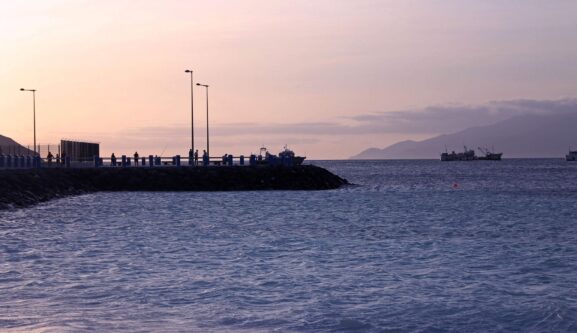
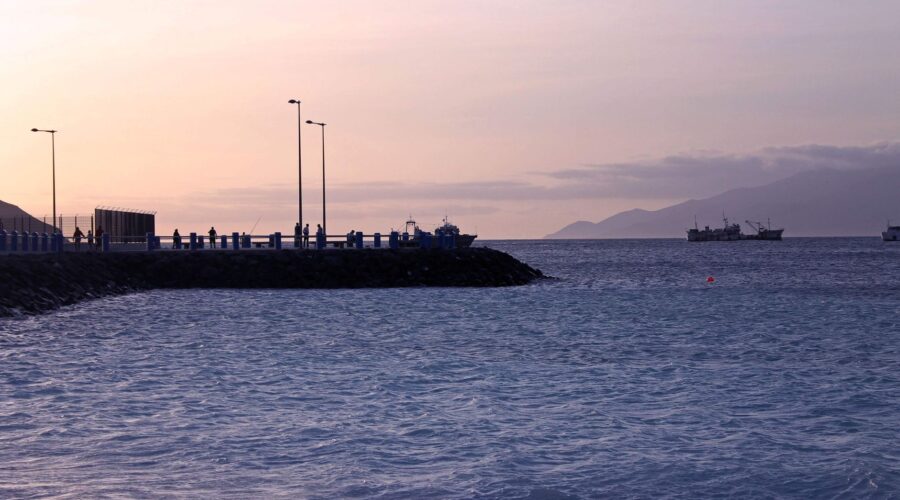
The 1912 French attack on Mindelo may be a footnote in some history books, but for Cabo Verde, it represents the moment the islands truly entered the twentieth century. It validated the decline of the old Atlantic order centered on Ribeira Grande and inaugurated the era of the modern, globalized port. Today, as waves crash against the shoreline of Porto Grande, they no longer bring the threat of foreign frigates, but rather the promise of a sustainable, democratic, and culturally vibrant future.
Image: Pexels – Ana Marta Jorge