Cape Verde Approves 2026 Amending Budget for Social Welfare
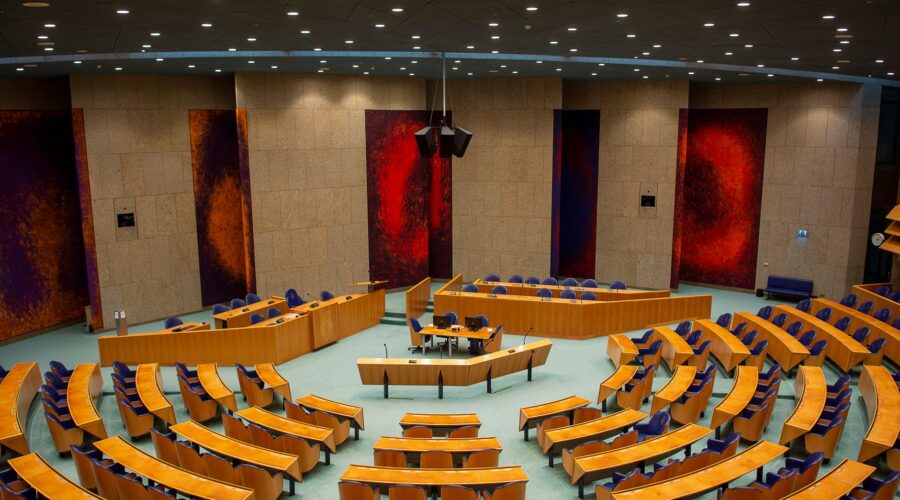
Cape Verde’s parliament has officially approved the 2026 Amending Budget, a pivotal financial roadmap submitted by the newly formed government under the African Party for the Independence of Cape Verde (PAICV). The budget passed on Tuesday with 37 votes in favor, 30 against from the Movement for Democracy (MpD), and two abstentions from the Independent and Democratic Cape Verdean Union (UCID).
A Shift in Priorities
The revised budget, totaling 103.888 billion escudos (approximately €942 million), represents a strategic pivot for the island nation following the PAICV’s victory in the May 17 legislative elections. Prime Minister Francisco Carvalho’s administration argues that the amendment was necessary to address a looming deficit left by the previous executive.
According to Carvalho, when his government took office in June, projected spending had already ballooned to 104 billion escudos, far exceeding the 95.6 billion escudos originally approved for 2026. The new proposal manages to reduce overall expenditure slightly while aggressively redirecting funds toward social welfare and education.
Education and Healthcare at the Forefront
The executive has designated education as an “absolute priority,” injecting an additional 139 million escudos (€1.26 million) into the sector. This reinforcement aims to secure universal access from pre-school through university, including the implementation of free tuition for the first cycle at public universities.
Healthcare and social safety nets also received significant boosts:
- Health for All: A new 100-million escudo program designed to expand medical access.
- Critical Care: 300 million escudos allocated for life-saving medicines, including cancer treatments and kidney transplants.
- Social Support: A 50-million escudo increase in benefits for the nation’s most vulnerable families.
Opposition Voices Concerns
The debate was marked by sharp criticism from the Movement for Democracy (MpD). Parliamentary leader Celso Ribeiro slammed the budget as “prepared in a hurry,” questioning its credibility and describing the document as a “trap.” The MpD specifically raised concerns over how the government plans to fund free higher education and criticized the lack of clarity regarding projected revenues.
The UCID, which chose to abstain, expressed frustration over the government’s response to regional crises. Deputy João Santos Luís highlighted the absence of specific funding to mitigate the damage caused by Storm Erin on the island of São Vicente. Despite these criticisms, Santos Luís stated the party would not be “obstructionist” but rather a contributor to the nation’s progress.
Stability Amid Global Pressures
To combat the rising cost of living, the Amending Budget maintains a substantial 1.7 billion escudo (€15.42 million) subsidy package to offset fuel costs. Furthermore, the government committed to maintaining a 450-million escudo subsidy to protect vital air connections between Cape Verde, the United States, and Brazil.
PAICV representative Rosa Rocha defended the budget as a vital management tool, stating it demonstrates a government ready to work despite inheriting “misleading numbers” from the previous administration. The budget will now serve as the primary economic framework for the executive through the end of the year.
Image: Pexels – Jan van der Wolf