Cape Verde’s Sun-to-Plate Grid: Solving the Land-Energy Crisis
In the middle of the North Atlantic Ocean, the ten volcanic islands that comprise the Republic of Cabo Verde (Cape Verde) are facing an existential triad of challenges: limited arable land, extreme water scarcity, and a heavy dependence on imported fossil fuels. For decades, these issues were viewed as separate silos. However, a revolutionary approach known as agrophotovoltaics (APV)—or the “Sun-to-Plate” grid—is beginning to dissolve these barriers, offering a sustainable blueprint for arid island nations worldwide.
The Triple Constraint: Why Cape Verde Needs a New Model
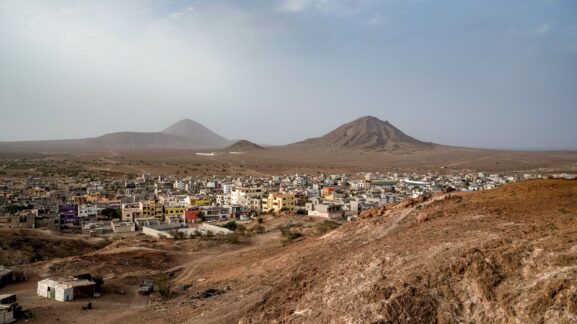
Cape Verde’s geography is as beautiful as it is challenging. Only about 10% of the country’s land is suitable for agriculture due to steep volcanic slopes and arid conditions. Furthermore, the nation experiences chronic droughts, with climate change making rainfall patterns increasingly unpredictable. Historically, Cape Verdeans have relied on expensive desalinated water or dwindling groundwater reserves to sustain crops like maize, beans, and bananas.
On the energy front, the country has long been at the mercy of international oil prices. Importing diesel to run power plants and desalination units is not only environmentally taxing but also an economic drain. While the government has set ambitious goals to reach 50% renewable energy by 2030, a major physical obstacle remains: where do you put the solar panels? In a country where every square meter of flat, fertile land is a precious resource for food, covering that land with traditional solar farms creates a “land-use conflict.”
What is Agrophotovoltaics (APV)?
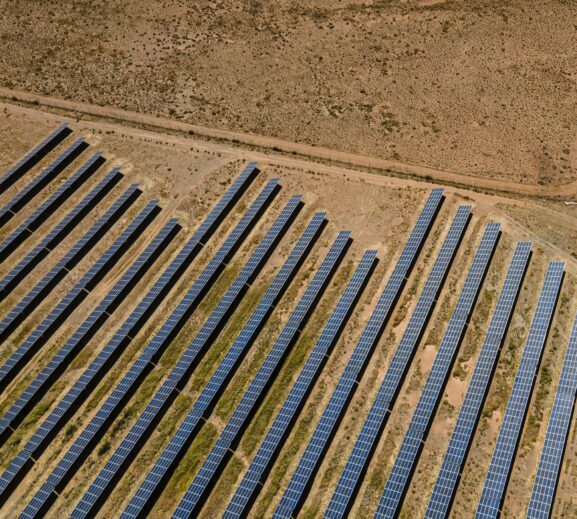
Agrophotovoltaics is the simultaneous use of land for both solar energy generation and agriculture. Instead of choosing between a solar farm and a vegetable patch, APV systems elevate solar panels several meters above the ground. This allows enough space for farmers and machinery to work underneath them, while the panels themselves are spaced to allow specific amounts of sunlight to reach the plants below.
In the context of Cape Verde, this “Sun-to-Plate” grid solves the “Land-Energy-Water Paradox” by creating a symbiotic relationship between the technology and the biology of the islands.
1. Solving the Land Conflict
By stacking energy production on top of food production, Cape Verde maximizes its limited flat terrain. Areas previously earmarked for solar arrays can now remain productive farms. This dual-use strategy is essential for mountainous islands like Santiago, Santo Antão, and São Nicolau, where competition for horizontal space is fierce.
2. Mitigating Water Scarcity through Microclimates
Perhaps the most significant benefit for an arid archipelago is “evapotranspiration reduction.” In the scorching Sahelian sun of Cape Verde, plants lose massive amounts of water to the atmosphere. The solar panels act as a partial canopy, providing shade that lowers the soil temperature and reduces water evaporation by up to 30-40%. This cooler microclimate means that crops require significantly less irrigation, making every drop of desalinated or harvested rainwater go further.
3. Powering the Water Cycle
The energy generated by the overhead “Sun-to-Plate” grid can be used to power high-efficiency drip irrigation systems and small-scale desalination units right on the farm. This creates a circular economy where the sun provides the energy to produce the water, which then nourishes the food growing directly beneath the power source.
Case Studies: Innovation in Action on Santiago and São Vicente
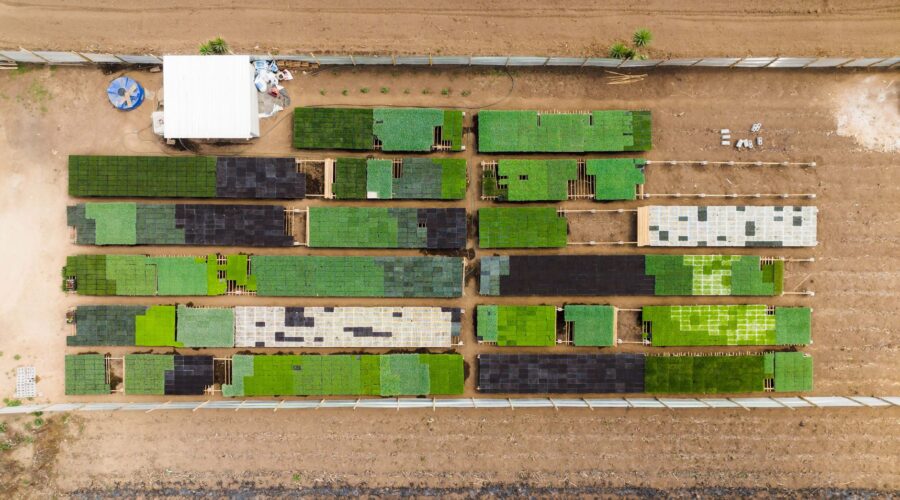
Several pilot projects and initiatives across the islands are demonstrating the viability of this model. On the island of Santiago, the country’s agricultural heartland, experimental plots have shown success in growing shade-tolerant crops like lettuce, tomatoes, and peppers under photovoltaic structures. These vegetables often thrive better in the dappled shade of the panels than in the direct, punishing midday sun.
In Mindelo, on the island of São Vicente, integrated projects are looking at how APV can support hydroponic systems. By combining solar power with soil-less farming, these projects are decoupling food production from soil quality entirely, allowing for “urban farms” that can feed the local population without relying on expensive imports from the mainland or Europe.
Economic and Social Impacts: Empowering Local Farmers
The shift to an APV model isn’t just about technology; it’s about social resilience. For the average Cape Verdean farmer, the two biggest overhead costs are water and electricity. By integrating the “Sun-to-Plate” grid, farmers can lower their operational costs significantly.
Furthermore, these projects often include battery storage solutions, allowing farms to act as “mini-grids.” During periods of excess energy production, a farm can feed electricity back into the national grid (Electra), providing the farmer with an additional diversified income stream. This financial stability is crucial in a region where a single bad harvest can lead to economic ruin.
Challenges to Scaling the ‘Sun-to-Plate’ Grid
Despite the clear benefits, the road to a nation-wide APV rollout faces hurdles:
- High Initial Capital: The infrastructure for elevated solar mounting systems is more expensive than ground-mounted systems. Access to low-interest “green loans” for local farmers is essential.
- Technical Expertise: Maintaining both a solar grid and a specialized farm requires a multidisciplinary skill set. Vocational training programs in Cape Verde are currently evolving to meet this need.
- Grid Integration: The national utility infrastructure needs modernization to handle decentralized energy inputs from hundreds of small-scale agrophotovoltaic farms.
The Global Blueprint: Cape Verde as a Living Lab
The world is watching Cape Verde. As climate change increases aridity in Mediterranean and Sub-Saharan regions, the lessons learned on the islands of Sal or Fogo are becoming globally relevant. Cape Verde is effectively serving as a “living laboratory” for the Blue and Green Economies.
The government’s “Strategic Plan for Sustainable Development” (PEDS) increasingly emphasizes these nexus solutions. By partnering with international organizations like the FAO (Food and Agriculture Organization) and various EU-funded renewable energy projects, Cape Verde is positioning itself as a leader in island sustainability.
Conclusion
The ‘Sun-to-Plate’ grid represents a fundamental shift in how we view natural resources in island environments. By transforming the sun from a source of water-evaporating heat into a source of water-shading energy, Cape Verde is turning its greatest environmental challenge into its greatest asset. The agrophotovoltaic revolution is more than just a tech trend; it is the key to unlocking food and energy sovereignty for the “Ten Blessed Islands,” ensuring that the land can sustain future generations without sacrificing its ecological integrity.
For travelers and investors, this transition offers a new perspective on the archipelago—not just as a destination for sun and sand, but as a pioneer of the green technologies that will shape the 21st century.
Image: Pexels – K