
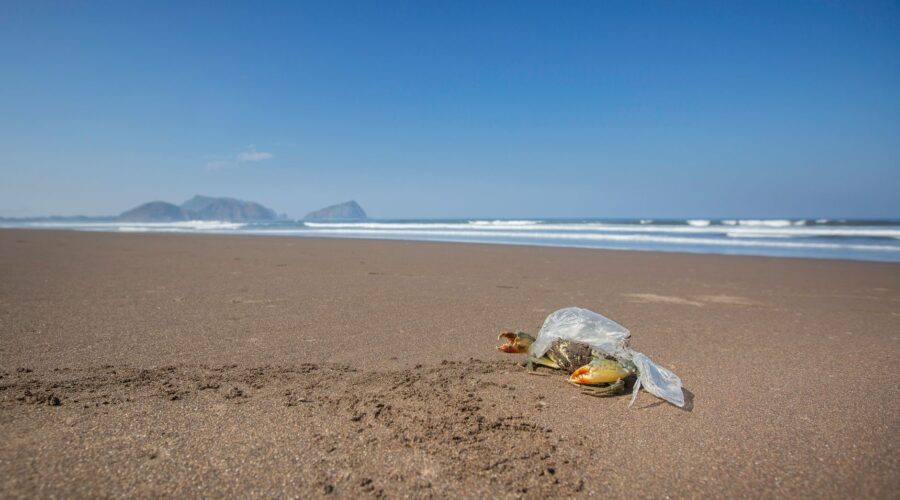
Cape Verde Launches €5M Initiative to Clean Atlantic Islands
Cape Verde has officially joined a multi-million euro international offensive against the rising tide of marine pollution. Launched on Wednesday in the capital city of Praia, the ReLiMa Project (Marine Litter Reduction Project in Atlantic Small Island Developing States) is a four-year initiative designed to clean the archipelago’s coastlines and modernize its recycling infrastructure.
High-Tech Solutions for Deep-Sea Waste
The project will initially focus on the islands of Santiago, Maio, and Fogo, but its scope is ambitious. Unlike traditional beach cleanups, the ReLiMa Project plans to utilize new technologies to address waste trapped on the seabed. This move signals a shift toward more sophisticated environmental interventions in the region.
“The fundamental objective is to mobilize partners to combat marine litter in Cape Verde,” said Januário Nascimento, president of the Association for the Defense of the Environment and Development (ADAD). Nascimento emphasized that the mission involves a broad coalition, including academia, private businesses, and civil society, to focus on both the prevention of waste and the recovery of existing debris.
A Circular Economy Approach
A key pillar of the initiative is ensuring that collected waste does not simply move from the beach to a landfill. Debris collected from Fogo and other islands will be transported to the ADAD recycling center in Praia. From there, materials will either be processed locally or exported to international partners for specialized recycling.
The project, which carries a global budget of five million euros, allocates approximately 480,000 euros specifically to Cape Verde. While the technical targets for exact tonnage of waste removal are still being finalized, the initiative intends to expand its operations to the islands of São Vicente, Santo Antão, and São Nicolau in the near future.
Protecting Vital Ecosystems
One area of high concern is the uninhabited island of Santa Luzia. Despite having no residents, the protected island serves as a critical nesting site for sea turtles and has become a magnet for ocean-borne plastic. Rafaela Creiser, technical director of German partner Black Forest Solutions, confirmed that the project would monitor Santa Luzia closely to develop specific strategies for this sensitive habitat.
“The positive impact for Cape Verde is precisely the development of awareness practices, technology, and infrastructure to prevent this type of waste from ending up in the ocean in the first place,” Creiser stated.
Regional Cooperation and Future Challenges
The ReLiMa Project isn’t acting in isolation. It fosters a regional alliance between Cape Verde, Guinea-Bissau, and São Tomé and Príncipe, while drawing on technical expertise from Brazil and Germany.
However, Nascimento warned that the road ahead remains difficult. He characterized the fight against marine litter as a “complex challenge” and called for local municipalities to take a more active role. Specifically, he urged for environmental and tourism tax funds to be reinvested into sanitation and the modernization of the country’s landfills and dumpsites.
Image: Pexels – Raden Eliasar