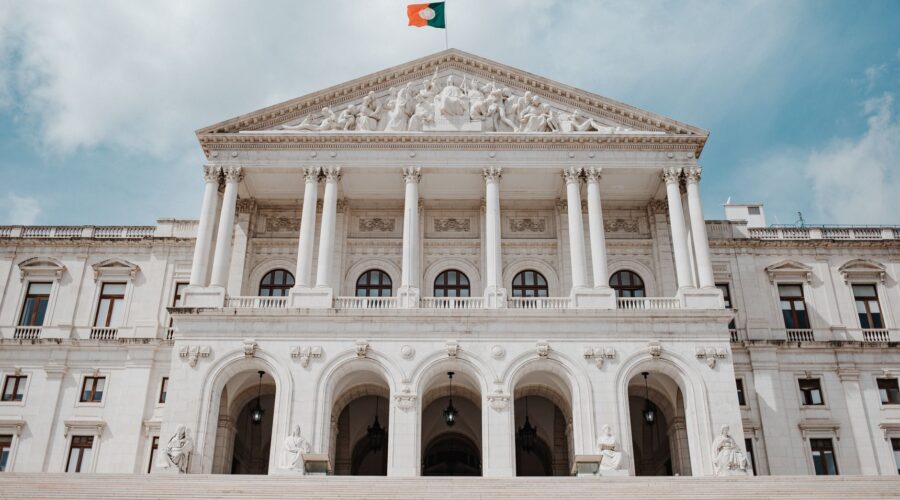
Portugal Reaffirms Commitment to CPLP on 30th Anniversary
LISBON — President António José Seguro has reaffirmed Portugal’s “unwavering commitment” and his own personal dedication to the Community of Portuguese Language Countries (CPLP) as the organization celebrates its 30th anniversary.
In a message released Wednesday on the official website of the Presidency, Seguro marked the three-decade milestone by reflecting on the organization’s 1996 founding summit in Lisbon. He noted that the gathering turned a “long-desired ambition into reality,” creating a bridge between Lusophone nations across the globe.
More Than Just a Shared Language
While the CPLP was built on a foundation of shared language and culture, the President emphasized that the commitment made 30 years ago by the founding members remains more relevant than ever. According to Seguro, the organization is anchored in fundamental values, including peace, democracy, human rights, and social justice.
“It is a commitment that shares the common desire of Lusophone countries to strengthen ties of brotherhood, solidarity, and cooperation for the benefit of their peoples and to project the community at a global level,” Seguro wrote. He added that the anniversary is an opportunity to renew the organization’s “founding spirit” while looking toward the future.
A Vision for Global Influence
The President’s message comes shortly after his first official visit to the CPLP Headquarters, where he championed a vision for a community that is more deeply connected to its citizens and more active on the world stage. He described the CPLP as a vital project for international dialogue and development.
A Community Facing Modern Challenges
The CPLP was originally founded by Angola, Brazil, Cape Verde, Guinea-Bissau, Mozambique, Portugal, and São Tomé and Príncipe. Its membership has since grown to include Timor-Leste (2002) and Equatorial Guinea (2014).
However, the 30th anniversary arrives during a period of institutional strain. Guinea-Bissau is currently suspended from the organization following a military coup in November 2025. In its absence, Timor-Leste has stepped in to assume the community’s rotating presidency. Additionally, internal tensions persist regarding Equatorial Guinea; the nation has yet to hold the rotating presidency, a point of ongoing friction among the member states since its controversial accession over a decade ago.
Image: Pexels – Max Avans