
Cape Verde Low-Pressure Alert: Heavy Rain & High Swells
A low-pressure system is set to sweep across the south of Cape Verde this week, bringing heavy rain, powerful winds, and dangerous sea conditions, the National Institute of Meteorology and Geophysics (INMG) warned on Wednesday.
High Winds and Treacherous Seas
The weather system is expected to hit the archipelago on Thursday and Friday. By Friday, meteorologists anticipate moderate to strong winds blowing from the south and southeast, with gusts reaching speeds of up to 65 kilometers per hour.
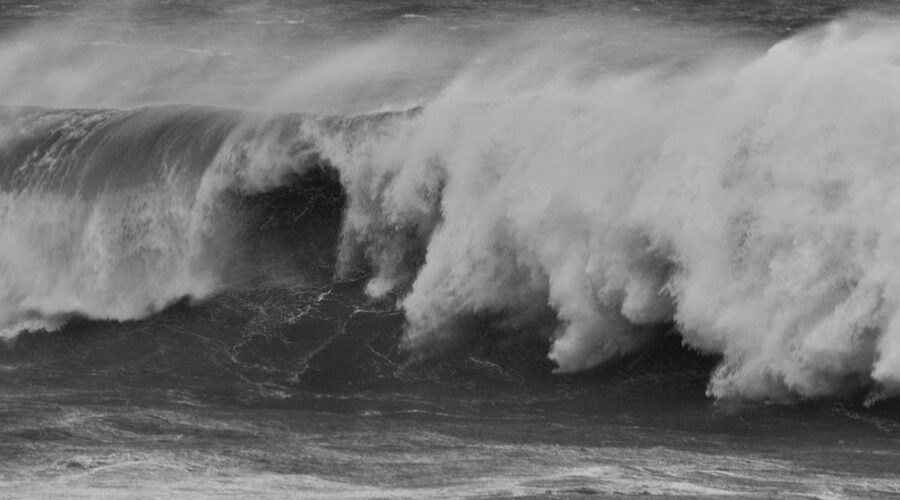
The maritime outlook is equally concerning. Waves are projected to reach heights of 3 to 4.5 meters, coming from the southeast. Authorities have highlighted the southern coasts of the Sotavento islands as the most vulnerable areas, with Maio and Santiago expected to bear the brunt of the heavy swells.
The INMG has urged the public to exercise caution, particularly those in high-altitude inland areas where wind speeds could surpass 60 kilometers per hour, as well as residents and visitors in exposed coastal regions.
Mixed Outlook for the Rainy Season
The arrival of this system follows the INMG’s seasonal forecast released earlier this week, which painted a complex picture for the archipelago’s agriculture. The institute predicts a “deficient to normal” rainy season with a late start and the potential for prolonged dry spells.
Compounding the water security issue, climate models suggest a high probability of above-average temperatures this year. These warmer conditions could worsen existing water deficits, threatening productivity in the nation’s most vulnerable agricultural zones.
Improved Monitoring and Safety
Despite the looming weather challenges, Cape Verde is now better equipped to track these patterns. In June, officials confirmed that two local meteorological stations have been integrated into the World Meteorological Organization (WMO) network.
This global connection provides forecasters with more precise data, significantly improving risk prevention efforts. This technological upgrade is seen as a vital step in protecting the islands from the type of destructive storms that severely impacted the archipelago in 2025.
Image: Pexels – Chen Te