UN Warns of Devastating Human Cost in West Africa Crisis
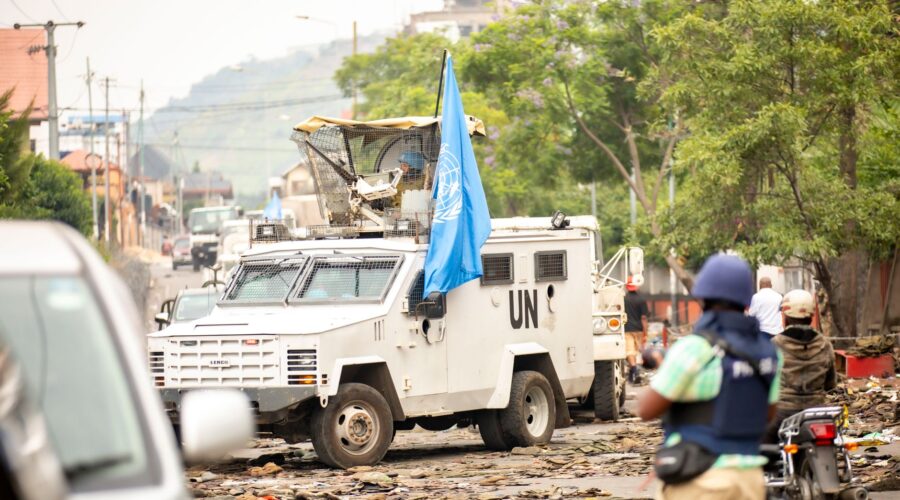
The human cost of rising violence across West Africa and the Sahel has reached “devastating” levels, a top United Nations official warned on Tuesday. Addressing the UN Security Council, Leonardo Santos Simão, head of the UN Office for West Africa and the Sahel (UNOWAS), painted a grim picture of a region besieged by terrorist attacks, mass kidnappings, and a mounting displacement crisis.
A Sophisticated Threat
The report, covering the period from late 2025 through June 2026, details how terrorist groups and non-state armed actors are exploiting governance gaps and porous borders. According to Simão, these groups have become increasingly sophisticated, utilizing drones, advanced communication technologies, and cryptocurrencies to fund and coordinate their operations.
While the crisis remains most acute in the central Sahel and northern Nigeria, it is rapidly spilling over into coastal states along the Gulf of Guinea. The objective, Simão warned, is not just violence, but the consolidation of economic control and the total erosion of public trust in state institutions.
The Humanitarian Toll
The statistics reflect a region in deep distress:
- 6.8 million people are currently internally displaced.
- 1.28 million refugees and asylum seekers are seeking safety across borders.
- Humanitarian access remains severely restricted and chronically underfunded.
Simão highlighted the specific plight of women and children, who suffer disproportionately from human rights violations and a lack of access to essential services. In Liberia, a sudden influx of migrants from Burkina Faso has placed immense pressure on local communities, further straining fragile resources.
Economic Resilience vs. Security Costs
Despite the security shadow, the region shows signs of economic potential. UNOWAS projects an average growth rate of 5% this year, with strong performances expected in Benin, Ivory Coast, Guinea, Niger, and Senegal. However, Simão cautioned that these gains are being neutralized by high inflation, heavy debt burdens, and the skyrocketing cost of national security spending.
“Combating poverty and vulnerability must remain a common objective in the broader fight against terrorism,” he urged the Council.
Pockets of Democratic Hope
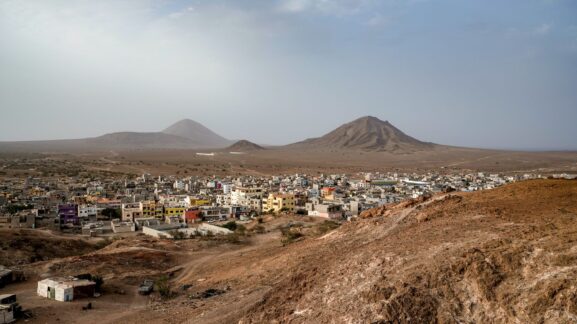
Amid the instability, Simão noted that democratic processes are showing resilience. Peaceful elections and orderly transitions of power in Cape Verde, Benin, Ivory Coast, and Guinea serve as evidence that accountable governance is taking root in parts of the region.
Regionally, the Economic Community of West African States (ECOWAS) is attempting to operationalize a Standby Force to combat the insurgency. However, these efforts are currently hamstrung by significant financial constraints.
International Call to Action
During the meeting, French Ambassador Jérôme Bonnafont echoed the urgency of the situation, criticizing the “inadequate” international response to the growing terrorist threat. Bonnafont emphasized that stronger institutions and a protected civic space are the only ways to build resilient societies, stating that the Security Council “cannot and must not ignore the situation.”
Image: Pexels – Safi Erneste