
Traditional Cape Verdean Drinks: A Guide to Grogue, Wine & Soul
Deep within the mid-Atlantic, the ten volcanic islands of Cape Verde (Cabo Verde) offer more than just pristine beaches and soulful morna music. The archipelago represents a unique cultural synthesis—a blend of West African heritage and Portuguese colonial influence. This “Creole” identity is perhaps most vibrantly expressed through its liquid heritage. From the fiery kick of sugarcane distillates to the soothing sweetness of volcanic wines and herbal infusions, traditional Cape Verdean drinks are a vital window into the islands’ history and soul.
Grogue: The Spirit of the Islands
If Cape Verde had a national heartbeat, it would sound like the rhythmic grinding of a trapiche (a traditional sugar mill). Grogue is the undisputed king of Cape Verdean beverages. This potent white rum is distilled from pure sugarcane juice, distinguishing it from many Caribbean rums made from molasses.
The production of Grogue remains largely artisanal, particularly on the islands of Santo Antão and São Nicolau. Between January and June, the air in the lush valleys is thick with the scent of boiling cane juice. Oxen often turn the heavy stone or wood presses, though mechanized versions are becoming more common. The juice is fermented naturally for several days before being distilled in copper alembic stills.
Grogue is more than just an alcoholic drink; it is a social lubricant and a sign of hospitality. It is served neat, often at room temperature, and is a staple at weddings, funerals, and local festivals. For true connoisseurs, “Grogue de Santo Antão” is considered the gold standard due to the island’s rich soil and traditional methods.
The Art of the Ponche
For those who find the raw power of Grogue (which can range from 40% to over 50% ABV) a bit too daunting, Ponche is the perfect alternative. Ponche is a traditional liqueur made by blending Grogue with various local ingredients, resulting in a sweet, viscous, and incredibly flavorful drink.
The most iconic version is Ponche do Mel, made with honey, citrus, and Grogue. However, the creativity of Cape Verdean producers knows no bounds. Depending on the island and the season, you can find:
- Ponche de Coco: A creamy, tropical delight made with coconut milk.
- Ponche de Tambarino: A tart and tangy version made from tamarind.
- Ponche de Calabaça: Made from the fruit of the calabash tree.
- Ponche de Café: Infused with locally grown coffee beans.
Ponche is typically served as an aperitif or a digestif, and it is a popular souvenir for travelers looking to take a piece of the archipelago home.
Fogo Wine: Viticulture in the Shadow of a Volcano
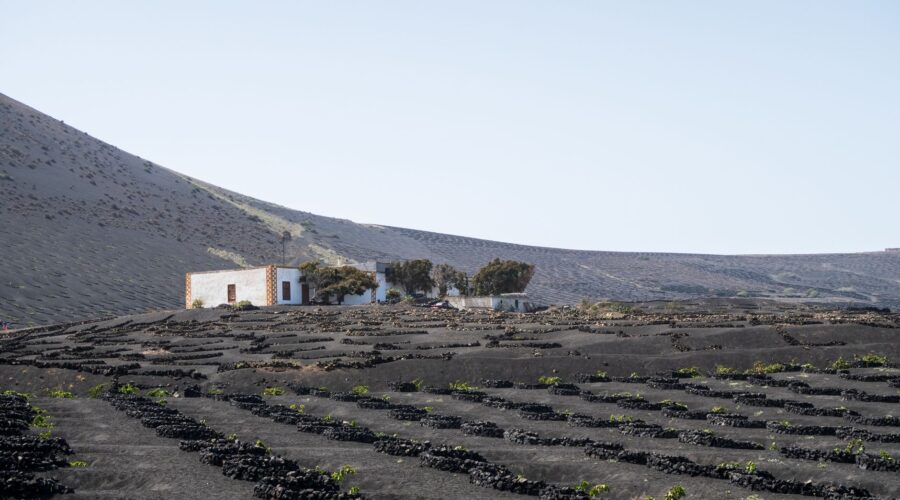
The island of Fogo (meaning “Fire”) is home to a towering active volcano, Pico do Fogo. It is also the site of one of the world’s most unique winemaking regions. In the Chã das Caldeiras—the crater of the volcano—vines grow directly in the black volcanic ash.
The minerals in the soil, combined with the high altitude and intense sun, produce grapes with a distinct character. The most famous outcome is Chã or Manecom wine. Traditionally made by the local community, these wines come in red, white, and rosé varieties. The reds are known for their deep color and high alcohol content, while the whites offer a surprising minerality.
In recent years, modern cooperatives have professionalized the production, winning international awards and proving that the harsh volcanic landscape of Cape Verde can produce world-class boutique wines.
Non-Alcoholic Traditions: From Corn to Infusions
Cape Verdean beverages aren’t limited to the “hard” stuff. The islands have a rich tradition of non-alcoholic drinks that reflect the agricultural reality of the Sahelian climate.
Chás (Herbal Teas)
“Tomar um chá” (taking a tea) is a daily ritual. Many Cape Verdeans rely on medicinal plants grown in their gardens. Common infusions include Perrexil (sea samphire), Hortelã (mint), and Erva-cidreira (lemongrass). These are often consumed for digestion or relaxation after a heavy meal of cachupa.
Sumos Naturais (Natural Juices)
Thanks to the tropical climate, fresh fruit juices are everywhere. Look for Sumo de Papaya, Goiaba (guava), and Manga. A unique local favorite is Sumo de Calabaceira, made from the fruit of the Baobab tree. It is rich in Vitamin C, has a creamy texture, and a pleasantly tart, citrus-like flavor.
Corn-Based Beverages
While less common in tourist areas today, traditional corn-based drinks like Refresco de Milho evoke the islands’ rural past. These drinks are made by soaking and fermenting corn, reflecting West African culinary influences where grains form the base of many refreshing beverages.
Cape Verdean Coffee: The Fogo Gold
No discussion of traditional drinks is complete without mentioning Café do Fogo. Grown on the slopes of the volcano, Fogo coffee is one of the rarest in the world. It is an Arabica variety that has remained largely genetically pure since it was introduced centuries ago. Because it is grown in small quantities and harvested by hand, it is highly prized for its smooth, low-acidity profile and nutty aroma. It is the perfect accompaniment to a piece of queijo de terra (local goat cheese).
The Social Significance of Drinking in Cape Verde
In Cape Verde, what you drink is often tied to the concept of Morabeza—the legendary Cape Verdean hospitality. To enter a home and be offered a small glass of Grogue or a cup of Fogo coffee is a sign of welcome. It is common to see men gathered at a mercearia (local grocery store) sharing a bottle of Grogue, a practice that fosters community ties and the sharing of news.
If you find yourself in a local tavern, you might hear the toast “Saúde!” (Health!) or the more local “Viva!”. It is also a tradition in some rural areas to pour a small drop of Grogue on the ground before drinking—a “libation” to honor ancestors or the earth, a practice with deep African roots.
Practical Tips for Travelers
- Look for “Tradicional”: When buying Grogue or Ponche, look for labels indicating they were made using traditional methods without added chemicals.
- Visit a Trapiche: If you are in Santo Antão between January and May, ask for a tour of a sugar mill. Seeing the Grogue-making process firsthand is an unforgettable cultural experience.
- Sip, Don’t Shoot: Good Grogue is meant to be appreciated. Take small sips to handle the high alcohol content and enjoy the grassy, earthy notes of the cane.
- Support Local Cooperatives: When buying Fogo wine or coffee, purchasing directly from local cooperatives ensures that the profits stay within the farming communities.
Conclusion
The traditional drinks of Cape Verde are far more than just refreshments; they are liquid stories of resilience and fusion. Whether it is the volcanic fire of Fogo’s wine, the artisanal soul of Santo Antão’s Grogue, or the sweet comfort of a tamarind Ponche, each glass offers a taste of the archipelago’s complex history. To drink with a Cape Verdean is to be invited into their world—a world of sunshine, volcanic soil, and enduring Morabeza.
Image: Pexels – Javier Balseiro