Blue Shark Effect: World Cup Success Boosts Cape Verde Tourism
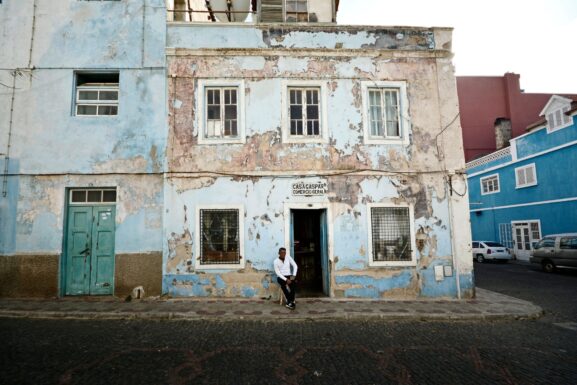
Cape Verde’s historic run at the 2026 World Cup has done more than just unite a nation; it has put the Atlantic archipelago on the global tourism map. Travel operators in the capital, Praia, report a massive surge in international inquiries as the world discovers the home of the “Blue Sharks.”
From the Pitch to the Beach
“Since the national team’s excellent performance in the World Cup, we have recorded a significant increase in requests for information,” said Marvela Rodrigues, manager of the PraiaTour travel agency. According to Rodrigues, the team’s success is providing unprecedented global exposure for the islands’ beaches, culture, and gastronomy.
The “Blue Sharks” exceeded all expectations in their debut tournament. After advancing past the group stage, they pushed reigning champions Argentina to the limit in the Round of 32, eventually falling 3-2 after a thrilling period of extra time. That grit on the field is now translating into curiosity from travelers in Portugal, France, the UK, Spain, Germany, and Brazil.
Beyond Sun and Sea
While the islands of Sal and Boa Vista remain the most popular destinations due to their established resorts, the “World Cup effect” is driving interest toward Cape Verde’s lesser-known gems. Agencies are seeing a spike in questions regarding the historical richness of Santiago, the vibrant culture of São Vicente, and the dramatic volcanic landscapes of Fogo and Santo Antão.
Jemima Asare, sales director at Aventour, notes that while bookings are growing at a modest pace, the daily volume of inquiries is unmistakable. “With each passing day, there is a noticeable increase in interest from foreigners in getting to know our country and our culture,” she said.
A Strategic Win for the Economy
The Cape Verdean government is moving quickly to capitalize on this “Blue Shark” fever. Following a promotion strategy launched in April, officials are working with international tour operators to turn football fans into tourists. The team was even the centerpiece of a dedicated Cape Verde pavilion at the Rock in Rio festival in Lisbon this June.
Tourism is already the lifeblood of the Cape Verdean economy. In 2025, the archipelago saw a 6% increase in visitors, reaching a total of 1.2 million guests. However, local experts believe the World Cup visibility could push those numbers to new heights if the government plays its cards right.
“The challenge now is to transform this visibility into concrete results,” Rodrigues emphasized, noting that the country must now focus on improving air connectivity between the islands and diversifying what it offers to tourists. For now, the world is watching Cape Verde—and many are liking what they see.
Image: Pexels – Rob Mowe