CPLP Pushes for Guinea-Bissau Democracy & Political Releases
The Community of Portuguese Language Countries (CPLP) is ramping up its efforts to restore democratic order in Guinea-Bissau, focused on organizing new elections and securing the release of detained political leader Domingos Simões Pereira.
Portuguese Minister of Foreign Affairs Paulo Rangel, speaking in an interview with Antena 1, emphasized that while Guinea-Bissau’s sovereignty must be respected, international bodies such as the CPLP, ECOWAS, and the African Union are working in concert to return the nation to normalcy following a military takeover late last year.
The Push for New Elections
The path to stability hinges on the upcoming elections currently scheduled for December 6. However, Rangel expressed caution regarding whether the necessary conditions will be met in time. The democratic process suffered a major blow following the November 2025 coup, where electoral registers were destroyed, making a return to previous voting tallies impossible.
“It is a pity, because the process had been going quite well,” Rangel noted. “Ultimately, the results were made unviable… and therefore, we cannot return to the previous state.”
Demands for Political Freedom
A central demand from the international community is the immediate release of Domingos Simões Pereira. The leader of the historic African Party for the Independence of Guinea and Cape Verde (PAIGC) has been under house arrest following allegations of an attempted coup. The CPLP is also calling for Bissau-Guinean authorities to allow political parties to return to their headquarters and resume operations.
Despite the tension, Rangel pointed to “positive signs” coming from Bissau, including flexibility regarding opposition figure Fernando Dias and the commitment to a December election window. He expressed hope that the upcoming CPLP meeting in Dili this July will act as a catalyst for diplomatic progress.
Media Rights and Regional Standing
The diplomatic rift extends to the media. Last August, Guinea-Bissau expelled delegations from the Portuguese broadcaster RTP and news agency Lusa. While no formal talks have yet restored these relations, Rangel stressed that transparency is vital. “It is important that Bissau be open to the media that wishes to be there,” he said.
Despite its current suspension from the CPLP—a first for the nation—Rangel reiterated that Guinea-Bissau remains an “indispensable member.” He signaled that if the current authorities provide further signs of democratic cooperation, the organization is ready to help the country resume its full status within the Lusophone community.
Background on the Crisis
The political crisis came to a head on November 26, 2025, when a self-styled Military High Command seized power just as election results were due. The coup deposed President Umaro Sissoco Embaló and saw the installation of General Horta Inta-a as Transitional Head of State. The military dissolved the parliament and replaced it with a National Transitional Council, effectively halting the nation’s democratic trajectory.
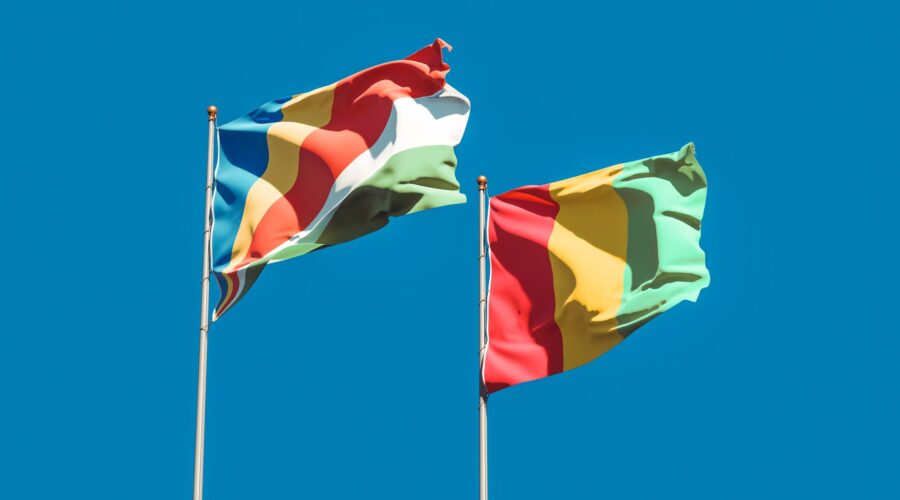
Image: Pexels – Leonid Altman