Pedra de Lume Salt Pans: Sal Island’s Volcanic Beauty Guide
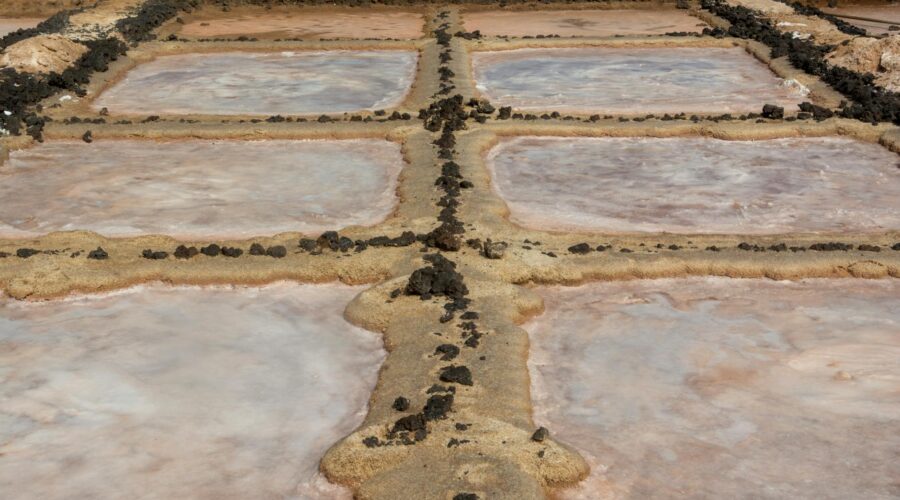
In the heart of the Atlantic Ocean, on the northeastern edge of the Cape Verde (Cabo Verde) archipelago, lies the island of Sal. While many visitors are drawn to its turquoise waters and vast sandy beaches, the island holds a geological and historical treasure tucked inside the crater of an extinct volcano: the Pedra de Lume Salt Pans. Known locally as the “Salinas de Pedra de Lume,” this site is not just a stunning landscape of pink and white salt crusts—it is the very reason the island bears the name “Sal” (Salt).
The Volcanic Origins of Pedra de Lume
To understand the magic of Pedra de Lume, one must look at the island’s geology. Unlike the mountainous and lush islands of Santiago or Santo Antão, Sal is relatively flat and arid. It is one of the oldest islands in the archipelago, formed approximately 20 million years ago. As the island aged and eroded, it left behind unique formations, the most spectacular being the crater at Pedra de Lume.
The salt pans are situated inside the floor of a low-lying volcanic crater. Because the base of the crater sits below sea level, seawater naturally seeps through the porous volcanic rock. Once inside the sun-drenched “bowl” of the crater, the water evaporates rapidly due to Sal’s intense tropical sun and minimal rainfall, leaving behind thick layers of high-quality salt. This natural process has turned the crater into a giant, colorful evaporation laboratory.
A Journey Through History: From Discovery to Industry
When Portuguese explorers and Genoese navigators like António de Noli first discovered these uninhabited islands in the 15th century, they were looking for strategic outposts in the Atlantic. Initially, the island of Sal was ignored in favor of the more fertile islands. However, by the late 18th century, the economic potential of the salt deposits was realized.
In 1833, a large-scale salt extraction industry began at Pedra de Lume. The site became a bustling industrial hub, exporting salt to Brazil and Africa. To transport the “white gold” from the crater to the nearby port, an ingenious wooden cable car system was constructed in the early 20th century. The remains of these weathered wooden pylons still stand today, silhouetted against the sky, serving as a hauntingly beautiful reminder of Cape Verde’s industrial heritage.
While the commercial export of salt declined in the mid-20th century, the site remains a protected national heritage landmark and a premier destination for “wellness tourism.”
Interesting Facts Fast:
- Etymology: The island was originally named “Llana” (flat), but was renamed Sal in the 1830s due to the salt trade.
- Sea Level: The salt pans are 900 meters wide and sit below the level of the surrounding Atlantic Ocean.
- Color Palette: The pans often appear in various shades of white, pink, and turquoise, depending on the mineral content and presence of salt-loving microorganisms.
The Floating Experience: Better Than the Dead Sea?
The primary draw for modern travelers is the chance to swim—or rather, float—in the salt ponds. Because the water in the Pedra de Lume salt pans is 26 times saltier than the ocean, it creates a level of buoyancy similar to the Dead Sea in Jordan. Travelers can lay back and float effortlessly on the surface, look up at the rim of the volcano, and soak in the minerals.
The salt is said to have therapeutic properties, helping to exfoliate the skin and soothe weary muscles. Most tours provide freshwater showers at the exit (for a small fee), which is a necessity, as the salt will form a white, itchy crust on your skin within minutes of stepping out of the water.
Practical Information for Visitors
Pedra de Lume is located on the eastern coast of Sal, about a 10-15 minute drive from the main tourist hub of Santa Maria or the capital, Espargos. If you are planning a visit, here is what you need to know:
Entrance and Access
To enter the crater, visitors must walk through a man-made tunnel that was carved through the crater wall in the 19th century to facilitate transport. There is a small entrance fee (usually around €5), which goes toward the maintenance of the site. It is advisable to bring cash in Euros or Cape Verdean Escudos.
What to Bring
- Dark Swimwear: The high salt and mineral content can occasionally discolor light-colored fabrics.
- Water Shoes: The salt crystals on the bottom of the ponds can be sharp. Flip-flops or water shoes are highly recommended.
- Sun Protection: The crater reflects sunlight, making it significantly hotter and brighter than the beach. Use biodegradable sunscreen to protect the environment.
- Camera: The contrast between the white salt, the pink water, and the dark volcanic walls is a photographer’s dream.
The Cultural Context: Salt in Cape Verde Today
As Cape Verde continues its development as a stable, democratic nation with a growing focus on sustainable tourism, sites like Pedra de Lume represent the perfect balance of history and ecology. Following the country’s recent graduation to a middle-income country and its successes in malaria eradication and renewable energy (aiming for 50% by 2030), the preservation of natural landmarks has become a priority.
Visiting Pedra de Lume isn’t just about a 20-minute float in salty water; it’s an immersion into the history of an archipelago that rose from the sea 50 million years ago and transformed from a desolate volcanic rock into a vibrant, Lusophone “success story” in Africa.
Final Thoughts
Whether you are a history buff fascinated by the 19th-century cable cars, a geology enthusiast intrigued by the volcanic caldera, or simply a traveler looking for a unique spa-day in nature, the salt pans of Pedra de Lume are unmissable. It is a place where you can quite literally float through time, feeling the weight of the Atlantic world lift as you drift in the womb of an ancient volcano.
Image: Pexels – Jan van der Wolf