Cape Verde Election: PAICV Wins Majority Amid Monopoly Fears
PRAIA, Cape Verde – Following a sweeping victory for the African Party for the Independence of Cape Verde (PAICV) in Sunday’s legislative elections, political analysts are urging the new government to prioritize dialogue over division. Despite securing an absolute majority, leader Francisco Carvalho faces the daunting task of fulfilling ambitious campaign promises while navigating a polarized political landscape.
A Call for Cooperation Over Retaliation
Dionísio Simões Pereira, president of the Cape Verdean Civil Society Forum (FÓRUM CV), told Lusa that while the PAICV’s majority is decisive, political maturity is now required. He questioned whether the new administration would govern with a spirit of “retaliation” for years spent in the opposition—a cycle he claims has hampered previous administrations—or if Carvalho would foster a new era of political concertation.
The incoming government faces immediate pressure to deliver on “bold and demanding” campaign vows. Key promises include making public university education free and significantly reducing costs for healthcare and transportation. “These are high-stakes commitments that will be very demanding to implement,” Pereira warned.
The Opposition in Disarray
The outgoing Prime Minister and leader of the Movement for Democracy (MpD), Ulisses Correia e Silva, conceded defeat in a speech marked by what Pereira described as “underlying resentment.” The MpD now finds itself in uncharted territory, stripped of national power and holding only seven of the country’s 22 municipal councils.
The defeat is expected to trigger an internal power struggle within the MpD. Names like deputies Paulo Veiga and Orlando Dias are already surfacing as potential reformers, though Pereira noted that veteran figures from previous party splits might also re-emerge to vie for leadership.
A “Yellow” Monopoly and the Presidency
With the PAICV controlling both the central government and the majority of local municipalities, Cape Verde’s political map has turned almost entirely “yellow”—the party’s signature color. This dominance extends to the upcoming presidential elections on November 15.
Pereira believes it will be “difficult” for the MpD to find a candidate capable of challenging the incumbent President José Maria Neves, a former PAICV leader. He suggested the race could even mirror the 1996 election, where the incumbent ran virtually unopposed. However, he noted that internal PAICV dynamics—specifically whether the party leadership fully aligns with Neves—could still “shuffle the deck.”
Democracy Under Strain
Despite the smooth transition of power, Pereira highlighted troubling signs of democratic erosion. He pointed to reports of “basic basket” grocery distributions used to buy votes on the eve of the election, calling it a reflection of the “weaknesses of Cape Verdean democracy.”
Furthermore, voter apathy reached a critical high, with abstention rates expected to surpass 50%. Pereira characterized civil society as “amorphous and muted,” failing to effectively hold political power to account. In response, Fórm CV and other NGO platforms are attempting to form a “common front” to monitor the government’s progress and ensure that campaign promises do not go unfulfilled.
Election Results at a Glance
While final seats from the diaspora are still being tallied, the current breakdown for the 72-seat parliament is as follows:
- PAICV: 35 seats (projected absolute majority of 37)
- MpD: 31 seats
- UCID: 2 seats
- Pending: 4 seats
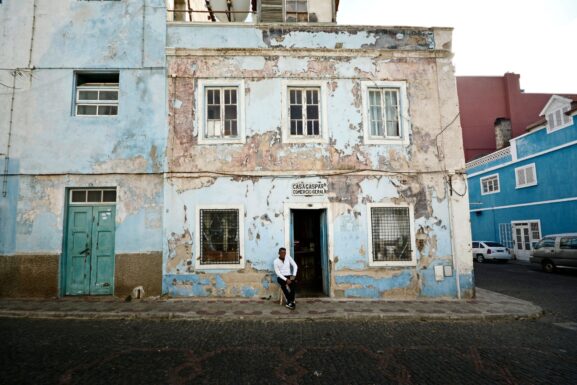
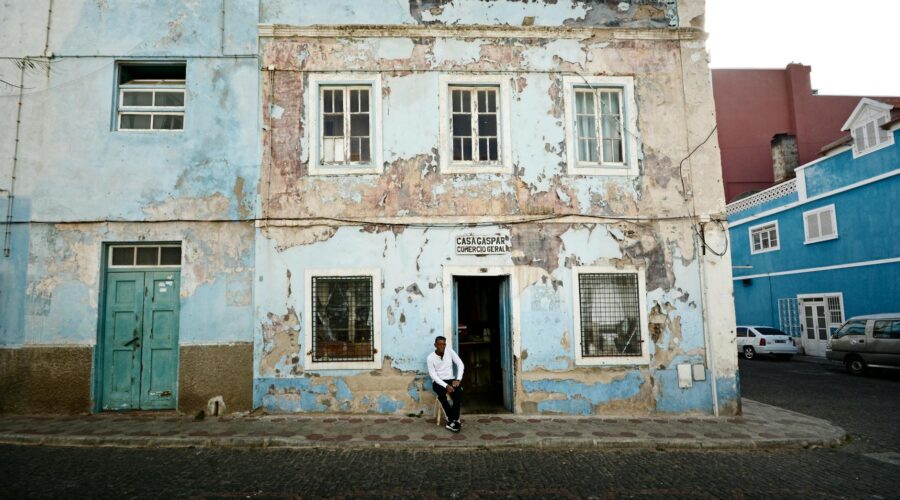
Image: Pexels – damien Saillet