Lusophone Dance Film Series Draws 60 Global Entries
A cross-continental initiative bridging Lusophone cultures through cinema and movement has received approximately 60 entries from six Portuguese-speaking countries and territories. The program, titled “Saracoteio — Dança no Ecrã” (Saracoteio — Dance on Screen), marks a major collaborative effort between film and dance festivals in Macau, Portugal, and Cape Verde.
A Global Lusophone Collaboration
Mary Wong, curator of Macau’s Rollout Dance Film Festival, confirmed that the open call attracted works from Portugal, Brazil, Mozambique, Cape Verde, Guinea-Bissau, and Macau. “Some artists from these locations even worked together to present collaborative works,” said Wong, a dancer and curator who holds Portuguese nationality.
The selection process is currently underway, with finalists expected to be announced by the end of May. The initiative specifically targeted authors and producers born or residing in regions where Portuguese is an official language, aiming to create a unified platform for diverse artistic voices.
Touring the Stage and Screen
The selected films will embark on an international tour across three major festivals:
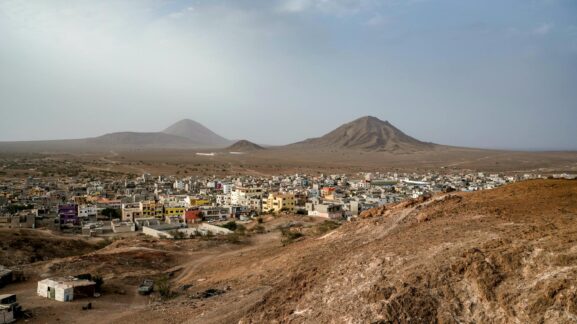
- September 21–25: The Uabé Festival on Santiago Island, Cape Verde.
- September 25 – October 11: The 34th Almada Dance Festival (Quinzena de Dança de Almada) in Portugal.
- December: The Rollout Dance Film Festival in Macau.
Beyond the screen, the partnership includes physical exchanges. In October, Macau-based dancers will travel to Portugal to perform four works. In December, the Almada Dance Festival will bring Portuguese choreography to Macau.
Macau as a Cultural Gateway
The project aligns with the broader “Macao Forum” narrative—a Beijing-backed initiative established in 2003 to foster economic and cultural ties between China and the Portuguese-speaking world. However, Wong emphasizes that grassroots artist-to-artist connections are just as vital as government policy.
“Chinese authorities are promoting this strong connection through Macau. That is the big narrative,” Wong noted. “But in the cultural sphere, it is more important to create strong connections between artists than to wait for policies.”
Bridging East and West
Having studied and worked in both Lisbon and Macau, Wong sees the unique advantages of this transcontinental link. While Macau offers robust funding and resources for international exchanges, Wong believes the region benefits immensely from the “Western ecosystem” and the artistic diversity it provides.
“The culture is very different,” she explained. “Funding opportunities are much easier here [in Macau]… but we need more diversity in our artistic creations. That will be improved if we have different perspectives.”
Image: Pexels – Darya Sannikova