ECOWAS to Monitor Cape Verde Legislative Elections
The Economic Community of West African States (ECOWAS) is deploying a mission of 100 observers to Cape Verde to monitor the upcoming legislative elections on May 17. The mission aims to ensure transparency and integrity as the archipelago heads to the polls for a high-stakes political contest.
A Reputation for Stability Facing New Logistics
In a statement released Monday, ECOWAS confirmed that its “long-term mission observers” will oversee every essential stage of the electoral cycle. While the organization previously praised Cape Verde as an “exemplary” model for democratic elections in West Africa, it also highlighted potential hurdles for this cycle, specifically regarding logistics across the islands and the mobilization of the country’s vast diaspora.
To manage the oversight, ECOWAS will establish a central monitoring hub in the capital city of Praia. This operations room will track national developments in real-time and issue daily reports. Some observers have already touched down in the country, with the remaining personnel arriving in phases to ensure a presence across all inhabited islands.
Three-Way Dynamics: The Race for Parliament
The election features a head-to-head battle between the two political giants that have dominated Cape Verdean politics since its first multi-party elections in 1991. Incumbent Prime Minister Ulisses Correia e Silva, leader of the Movement for Democracy (MpD), is seeking a third consecutive term. Challenging him is Francisco Carvalho, the current Mayor of Praia and leader of the African Party for the Independence of Cape Verde (PAICV), who is campaigning to return his party to power.
The current parliamentary breakdown is as follows:
- MpD: 38 seats
- PAICV: 30 seats
- UCID (Independent and Democratic Cape Verdean Union): 4 seats
The UCID is positioning itself as a potential kingmaker, hoping to gain enough ground to hold the balance of power should neither major party secure an absolute majority. Additionally, two smaller parties—the People’s Party (PP) and the People, Labor and Solidarity Party (PTS)—are competing for seats in six of the country’s 13 electoral districts, looking to break the established duopoly.
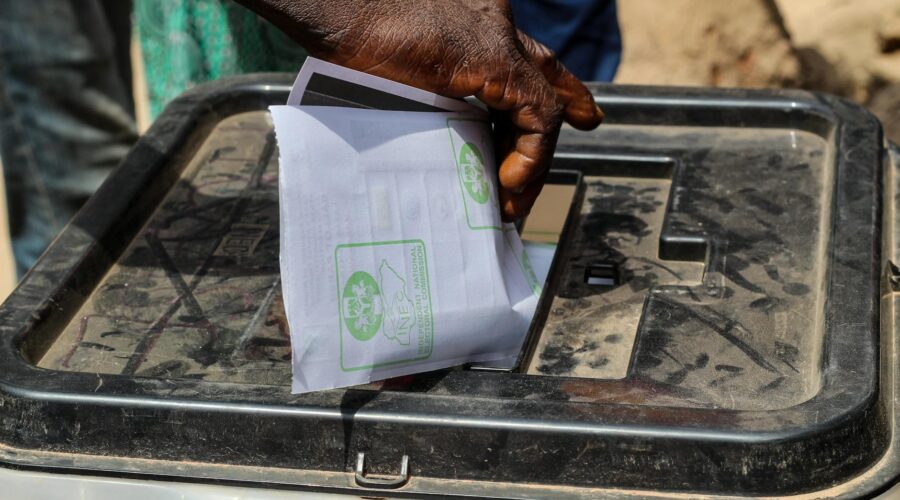
Image: Pexels – Fatima Yusuf