São Nicolau: The Authentic Soul of Cape Verde Explored
In a world where global tourism often feels like a checklist of overcrowded landmarks and filtered photographs, the island of São Nicolau in Cabo Verde stands as a defiant outlier. Often overlooked in favor of the sandy expanses of Sal or the vibrant carnivals of São Vicente, São Nicolau is a sanctuary of raw nature, colonial history, and a rhythm of life that hasn’t changed much in decades. For the traveler who seeks authenticity over artifice, this mountain island is the archipelago’s best-kept secret.
The Geography of an Untamed Island
Located in the northern Barlavento group of the Cape Verdean islands, São Nicolau is shaped like a dragon reclining in the Atlantic. Its landscape is one of dramatic contrasts. The island was forged by volcanic activity, resulting in a central mountain range that peaks at Monte Gordo (1,312 meters). To the west and north, one finds lush, green valleys fed by moisture-trapping clouds; to the east, the terrain transforms into a lunar-like desert, arid and stark.
Unlike its neighbors, São Nicolau has resisted the push for mass tourism. There are no sprawling international resorts here. Instead, visitors find small, family-run guesthouses and a landscape that demands exploration on foot. The island is a paradise for hikers, offering a network of “caminhos de cana” (cane paths) that wind through ancient craters and coastal cliffs.
Ribeira Brava: A Walk Through History
The cultural heart of the island is Ribeira Brava, its main town. Nestled deep within a steep valley to protect it from the pirate raids of centuries past, the town is a masterclass in colonial Portuguese architecture. With its narrow, winding cobblestone streets and brightly painted houses, Ribeira Brava feels more like a Mediterranean village than an African outpost.
Historical significance runs deep here. In the 19th century, São Nicolau was the intellectual hub of Cabo Verde. The Seminário-Liceu de São José, founded in 1866, was the first institution of higher learning in the archipelago. It educated many of the writers and thinkers who eventually birthed the movement for Cape Verdean independence and the “Claridade” literary movement. Walking through the town today, you can still feel that sense of quiet dignity and intellectual legacy.
Exploring the Natural Wonders
Monte Gordo National Park
For nature lovers, Monte Gordo National Park is the island’s crowning jewel. This protected area covers the island’s highest point and is home to a unique ecosystem. Historically, this area was rich in “Dragoeiros” (Dragon Trees), an iconic Macaronesian species known for its thick canopy and blood-red sap. While their numbers have dwindled, conservation efforts are bringing them back.
The hike to the summit offers a panoramic view that, on a clear day, allows you to see the islands of Sal, Boavista, and São Vicente shimmering on the horizon. The park is also a vital agricultural zone, where locals cultivate coffee, corn, and beans in the fertile volcanic soil using traditional terracing techniques.
Carbeirinho: A Geological Marvel
Perhaps the most photographed spot on the island is Carbeirinho. Located on the coast near Tarrafal, this area features stunning limestone and sandstone formations carved by centuries of wind and sea erosion. The result is a series of white and ochre curves that look like frozen waves. Locals often refer to it as one of the “Seven Wonders of Cape Verde,” and it offers a stark, beautiful contrast to the green mountains of the interior.
The Port of Tarrafal and the Atlantic Connection
On the western coast lies Tarrafal de São Nicolau, the island’s main port and its most modern settlement. While Ribeira Brava is the administrative and historical center, Tarrafal is where the island meets the sea. The town is famous for its “black sand” beaches, particularly Praia da Luz. This volcanic sand is rich in titanium and iodine and is rumored to have medicinal properties, drawing people who seek relief from bone and joint ailments.
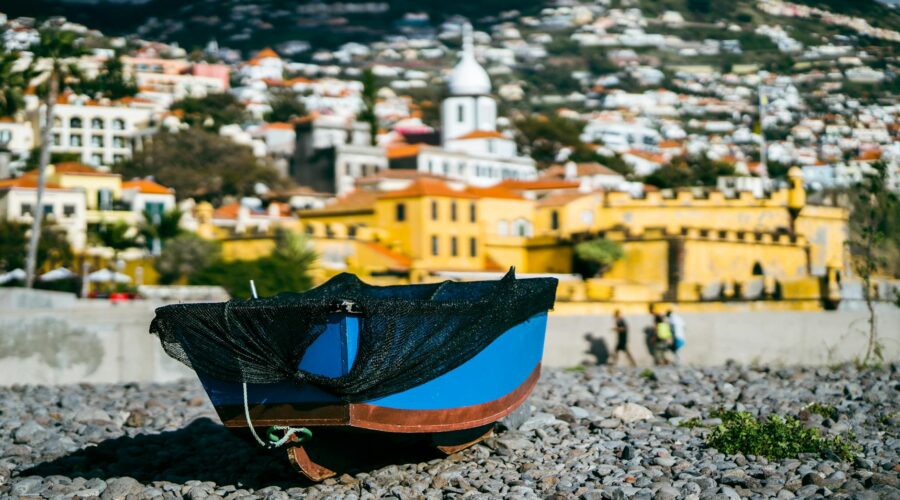
Tarrafal is also the best place to experience the island’s fishing culture. Every morning, the pier comes alive as colorful “botes” return with tuna, wahoo, and grouper. Watching the catch being processed and sold is a vibrant display of daily life in São Nicolau.
Culture, Music, and Gastronomy
Cape Verdean culture is synonymous with music, and São Nicolau has its own distinct rhythm. The island is the birthplace of many legendary musicians, including Armando Tato and the legendary Cesária Évora’s family roots. The *Mazurka* and *Contradanza* are particularly popular here, reflecting the European influences embedded in the island’s history.
When it comes to food, São Nicolau offers some of the most authentic flavors in the archipelago. Because the island has a strong agricultural tradition, the ingredients are incredibly fresh.
- Modje de São Nicolau: This is the island’s signature dish. It is a rich goat stew served with potatoes, cassava, and yams. It is traditionally prepared for festivals and weddings.
- Fresh Seafood: In Tarrafal, don’t miss the chance to eat freshly grilled tuna or octopus, often served with local corn-based side dishes.
- Local Coffee: The coffee grown in the mountains of São Nicolau is organic and potent, often roasted at home by locals.
When to Visit and Practical Tips
The best time to visit São Nicolau is between November and June. This period avoids the hot, humid rainy season and offers the best conditions for hiking. If you visit in February, you might catch the local Carnival, which, while smaller than the one in Mindelo, is deeply traditional and incredibly welcoming to outsiders.
Getting There and Around
Accessing São Nicolau requires a bit of planning, which contributes to its untouched charm.
- By Air: BestFly Cabo Verde operates domestic flights from Sal and Santiago to the Preguiça Airport (SNE).
- By Sea: Regular ferry services connect São Nicolau with São Vicente (Mindelo) and Sal. The crossing from Mindelo takes about 3 to 5 hours depending on sea conditions.
- Transportation: Once on the island, “aluguers” (shared minivans) are the primary mode of transport between towns. Renting a 4×4 vehicle is recommended for those who want to explore the more remote eastern corners of the island.
The Spirit of “Morabeza”
Above all, São Nicolau is defined by “Morabeza”—the unique Cape Verdean spirit of hospitality. Because tourists are still a rarity, locals are genuinely curious and welcoming. It is not uncommon to be invited for a cup of coffee or a glass of local grogue (rum) after a long hike. In São Nicolau, you are not just a visitor; you are a guest.
In a world that is becoming increasingly homogenized, São Nicolau remains a bastion of authentic Atlantic culture. It is a place for those who want to disconnect from the digital world and reconnect with nature, history, and the simple joy of a mountain sunset.
Image: Pexels – Artem Zhukov