Cape Verde Elections: Parties Clash Over Economy & Welfare
Campaigning officially kicked off today for Cape Verde’s upcoming legislative elections on May 17. The nation’s two political heavyweights launched their bids for power with high-energy rallies in the capital, Praia, setting the stage for a high-stakes battle over the country’s economic and social future.
Incumbent vs. Challenger: The Battle for Praia
Prime Minister Ulisses Correia e Silva, leader of the Movement for Democracy (MpD), is seeking a third consecutive term. At a rally in the Achada Santo António neighborhood, the Prime Minister is expected to highlight his administration’s economic track record, urging voters to choose “stability and growth.”
In contrast, Francisco Carvalho, the Mayor of Praia and leader of the African Party for the Independence of Cape Verde (PAICV), held a competing rally near the Amílcar Cabral memorial. Carvalho is campaigning on a platform of increased social safety nets, promising free public university education, expanded healthcare access, and reduced costs for inter-island transportation—a vital issue for the archipelago nation.
A Two-Party Tradition Faces New Challenges
Since Cape Verde’s first democratic elections in 1991, power has shifted exclusively between the MpD and the PAICV. Currently, the MpD holds 38 seats in parliament to the PAICV’s 30. However, the Independent and Democratic Cape Verdean Union (UCID), which currently holds four seats, hopes to play a “kingmaker” role if neither major party secures an absolute majority.
Two smaller parties, the Popular Party (PP) and the People, Labor and Solidarity Party (PTS), are also vying for seats across six of the country’s 13 electoral districts. In total, 72 parliamentary seats are up for grabs: 33 from the main island of Santiago, 33 from the other eight islands, and six representing the global diaspora.
The Power of the Diaspora
Reflecting Cape Verde’s history of emigration, the diaspora now makes up more than one-sixth of the total electorate. Voter registration has surged by 7% since 2021, reaching approximately 419,700 citizens. Much of this growth is attributed to a new registration system linked to passport renewals, easing the process for Cape Verdeans living in countries like Portugal (26,419 voters), the United States (13,872), and France (11,017).
Allegations of Misconduct
The campaign begins amid a charged political atmosphere. National Elections Commission (CNE) President Maria do Rosário Gonçalves described the pre-campaign period as “quite competitive,” but noted that the commission has already received several formal complaints.
“We have received complaints mainly related to the possible violation of the duty of neutrality by the public administration,” Gonçalves said, noting that allegations of government resources being used for partisan gain remain a recurring issue in Cape Verdean politics.
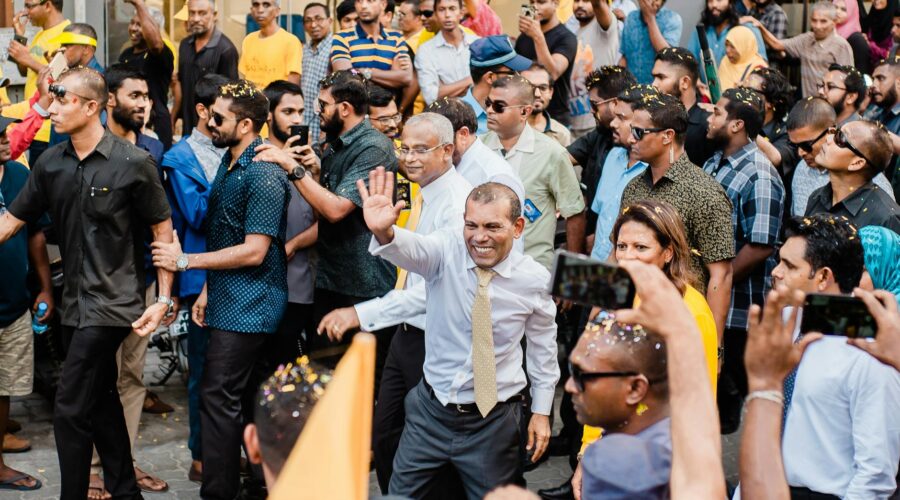
Image: Pexels – Asad Photo Maldives