Study in Cape Verde: Guide to International Student Exchange
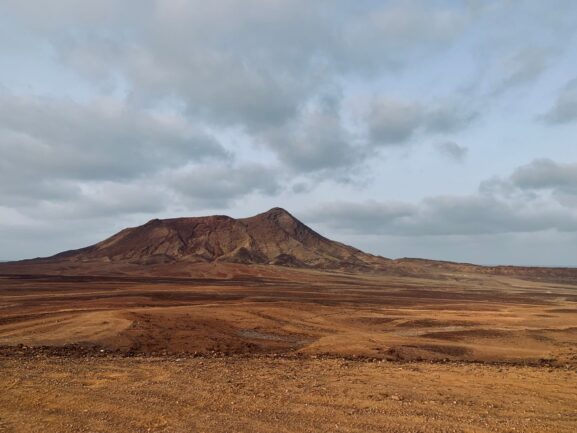
Nestled in the central Atlantic Ocean, the ten volcanic islands of Cape Verde (Cabo Verde) are increasingly being recognized for more than just their pristine beaches and soulful morna music. In recent years, this archipelago has emerged as a unique and strategically significant hub for international student exchanges. By blending African roots with European influences and a stable democratic environment, Cape Verde offers a compelling alternative to traditional study-abroad destinations.
The Growing Appeal of Cape Verde for International Scholars
Cape Verde’s transformation into an educational destination is no accident. The nation boasts one of the highest literacy rates in Africa and a political stability that is the envy of the region. For international students, this translates into a safe, welcoming environment conducive to academic focus and cultural immersion. The country serves as a bridge—geographically and culturally—between Africa, Europe, and the Americas.
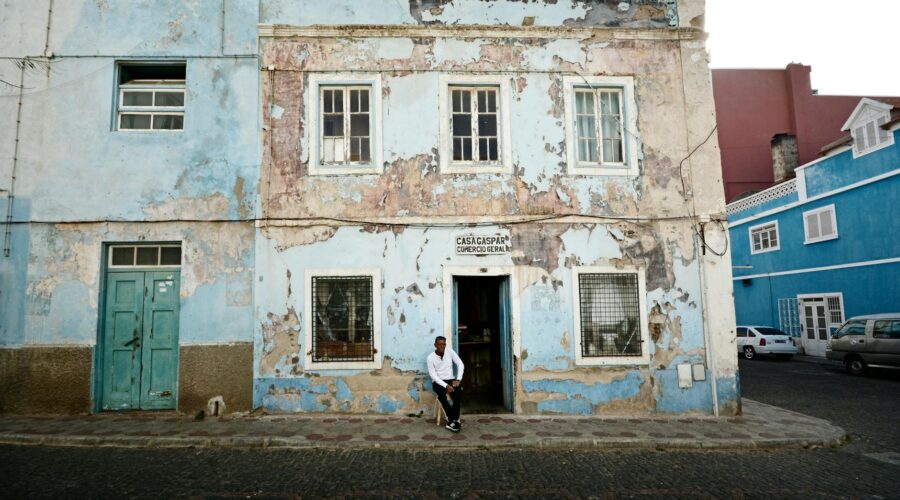
The primary draw for many international students is the opportunity to experience a “Luso-African” culture. As a former Portuguese colony, the official language of instruction is Portuguese, yet the heartbeat of the streets is Cape Verdean Creole (Kriolu). This linguistic duality makes it an ideal location for students of linguistics, international relations, and Lusophone studies.
Key Institutions Hosting Exchange Students
While the higher education system in Cape Verde is relatively young, it has matured rapidly. Two primary institutions lead the way in international partnerships:
Universidade de Cabo Verde (Uni-CV)
As the largest public university in the country, Uni-CV is the cornerstone of international academic exchange. With campuses in the capital city of Praia (Santiago Island) and Mindelo (São Vicente), it hosts the majority of the country’s exchange programs. Uni-CV has established robust agreements with universities in Portugal, Brazil, Spain, and even the United States through the Fulbright program.
Universidade do Mindelo (UniMindelo)
Located in the cultural capital of São Vicente, UniMindelo is renowned for its focus on health sciences, nautical studies, and the arts. Because Mindelo is considered the intellectual heart of the islands, students here benefit from a vibrant social scene that integrates music, theater, and maritime history into the academic experience.
Academic Focus Areas: Why Study Here?
International students typically look for niche fields where Cape Verde offers unique expertise. These include:
- Marine Biology and Conservation: With its vast Exclusive Economic Zone and unique endemic species (especially loggerhead turtles), Cape Verde is a living laboratory for environmental scientists.
- Renewable Energy: Cape Verde is a global leader in wind and solar energy integration. Students interested in sustainable development often come to study how small island developing states (SIDS) are transitioning away from fossil fuels.
- Transatlantic History: For history and sociology students, the islands provide a profound look at the Atlantic slave trade, particularly at the UNESCO World Heritage site of Cidade Velha.
- Tourism Management: As tourism is the pillar of the national economy, students often come to study sustainable tourism models and hospitality in a developing context.
The Erasmus+ Influence and Global Partnerships
The European Union’s Erasmus+ program has played a pivotal role in facilitating student mobility between Cape Verde and Europe. Through International Credit Mobility (ICM), Cape Verdean students travel to Europe, and European students from countries like Portugal, Poland, and Spain spend semesters in Praia or Mindelo.
Furthermore, Brazil remains a significant partner. The “PEC-G” (Program for Undergraduate Students) allows students from across the Lusophone world to rotate through regional universities, fostering a South-South cooperation that enriches the classroom experience with diverse perspectives from across the African continent and South America.
Life as an Exchange Student in the Islands
The “Morabeza” spirit is perhaps the most significant part of the exchange experience. “Morabeza” is a local term that encompasses hospitality, kindness, and the relaxed pace of life. International students often find that they are quickly integrated into local communities.
Cost of Living
Compared to Western Europe or North America, Cape Verde is affordable, though it is one of the more expensive countries in West Africa due to the need to import many goods. Students should expect to spend between €400 to €700 per month on rent, food, and transport, depending on the island and their lifestyle.
Challenges to Consider
While the experience is rewarding, it is not without challenges. The “island time” philosophy can sometimes clash with the rigid academic expectations of foreign students. Bureaucracy can be slow, and while Portuguese is the academic language, day-to-day life requires at least a basic grasp of Cape Verdean Creole to truly connect with the locals. Additionally, inter-island travel can be expensive, requiring careful budgeting for those who wish to explore beyond their host island.
Practical Information for Prospective Students
If you are considering an exchange in Cape Verde, here are common requirements:
- Visas: Most international exchange students will require a student visa. This usually involves a letter of acceptance from a Cape Verdean institution and proof of financial means.
- Language Proficiency: While some specific research grants or international programs operate in English, a B1 or B2 level of Portuguese is usually required for standard university courses.
- Health: It is recommended to have comprehensive travel insurance. While the islands are generally safe from many tropical diseases found on the mainland, medical facilities are more limited on the smaller islands.
The Lasting Impact of an Exchange in Cape Verde
For the students who choose Cape Verde, the impact is often life-changing. They return home not just with academic credits, but with a nuanced understanding of African development, a second (or third) language, and a global network of friends. Conversely, the presence of international students enriches the Cape Verdean classroom, bringing global perspectives to local students who may not have the means to travel abroad themselves.
As Cape Verde continues to invest in its “blue economy” and digital transformation, its role as an educational crossroads in the Atlantic is only set to grow. For the adventurous scholar looking to step off the beaten path, the ten islands offer a classroom like no other.
Image: Pexels – damien Saillet