
Cape Verde Inflation Steady at 2% Amid Rising Energy Costs
Cape Verde’s inflation rate reached a 12-month average of 2% in March, according to the latest data released by the National Institute of Statistics (INE) on Monday. The figures highlight a period of relative price stability, even as global energy fluctuations begin to exert pressure on the local economy.
Slight Uptick in Monthly and Annual Indices
The Consumer Price Index (CPI), which tracks the cost of a representative basket of goods and services, grew by 0.1% in March. While modest, this represents a 0.3 percentage point increase over the previous month’s performance. On a year-on-year basis, the CPI rose by 0.7%, edging up slightly from February’s 0.6%.
Core inflation—a metric that excludes volatile categories such as energy and unprocessed food—stabilized at 2.0% year-on-year. This indicates that underlying price pressures across the broader economy remain consistent, despite external shocks in the commodities market.
Government Monitors Rising Fuel Costs
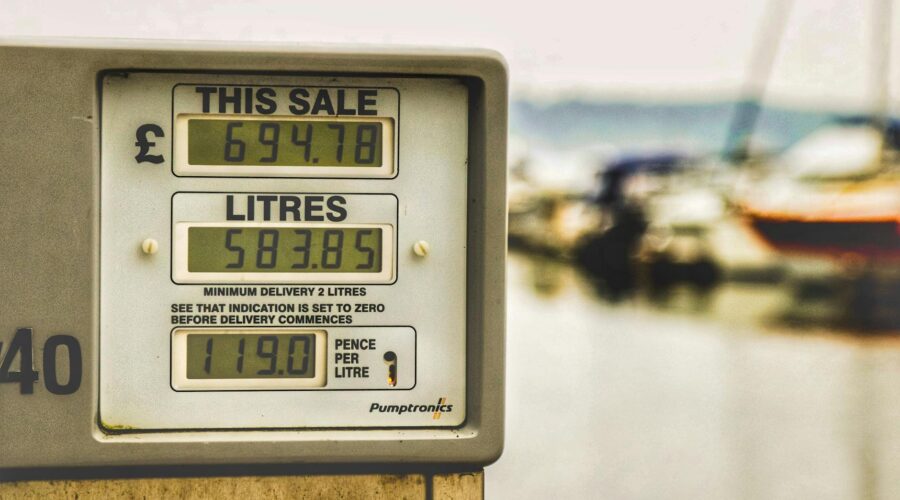
The report comes as the Cape Verdean government keeps a close watch on international oil markets. Rising global crude prices have already trickled down to the archipelago, with the Multisectoral Economic Regulatory Agency (ARME) reporting a fuel price hike of approximately 5% this month.
In response to these inflationary pressures, government officials stated they are actively monitoring energy trends. The administration has pledged to implement measures to mitigate the impact of rising fuel costs on citizens and businesses, aiming to shield the domestic economy from the volatility of the global energy sector.
Image: Pexels – Lloyd Freeman