
A Taste of Cape Verde: Traditional Foods & National Dishes
Floating in the vast Atlantic Ocean off the coast of West Africa, the Cape Verde archipelago is a melting pot of cultures. Formed by a unique blend of Portuguese colonial history and deep-rooted West African traditions, the nation’s identity is perhaps most vibrantly expressed through its cuisine. Cape Verdean food is soulful, hearty, and deeply connected to the land and sea. Known as gastronomia caboverdiana, it is a culinary experience characterized by slow-cooked stews, fresh-caught seafood, and the creative use of staple crops like corn and beans.
The National Soul: Cachupa
You cannot talk about Cape Verdean food without starting with Cachupa. More than just a meal, Cachupa is a national symbol and a point of immense pride. It is a slow-cooked stew consisting primarily of hominy (dried corn kernels that have been husked), several varieties of beans, and root vegetables like cassava, sweet potatoes, and yams.
There are two main versions of this dish. Cachupa Rica (Rich Cachupa) is prepared for special occasions and includes a variety of meats such as marinated pork, chorizo (linguíça), blood sausage, and sometimes chicken or beef. In contrast, Cachupa Pobre (Poor Cachupa) is the humble version, made with just the staple grains and vegetables, highlighting the resilience of the local people in times of scarcity.
A fascinating tradition involves “Cachupa Refogada.” If there is leftovers from dinner, the stew is drained and sautéed the following morning with onions and fried eggs, often served with a side of local sausage or mackerel. It is widely considered one of the best breakfasts in the world.
Treasures from the Atlantic
As an island nation, fish and seafood are the primary sources of protein. The waters surrounding the ten islands are teeming with life, providing a daily bounty that goes straight from the colorful wooden piers to the kitchen table.
Peixe Grelhado and Caldo de Peixe
The most common way to enjoy fish is Peixe Grelhado (grilled fish). Whether it’s tuna, grouper, or wahoo, the fish is usually seasoned simply with salt and lime, then grilled over charcoal. It is typically served with boiled vegetables and rice.
For something more complex, Caldo de Peixe is a traditional fish soup. Unlike the light broths found in Europe, this is a thick, robust soup flavored with tomatoes, onions, garlic, and vinegar, thickened with potatoes and green bananas. It is the ultimate comfort food for a windy Cape Verdean evening.
Buzio and Lagosta
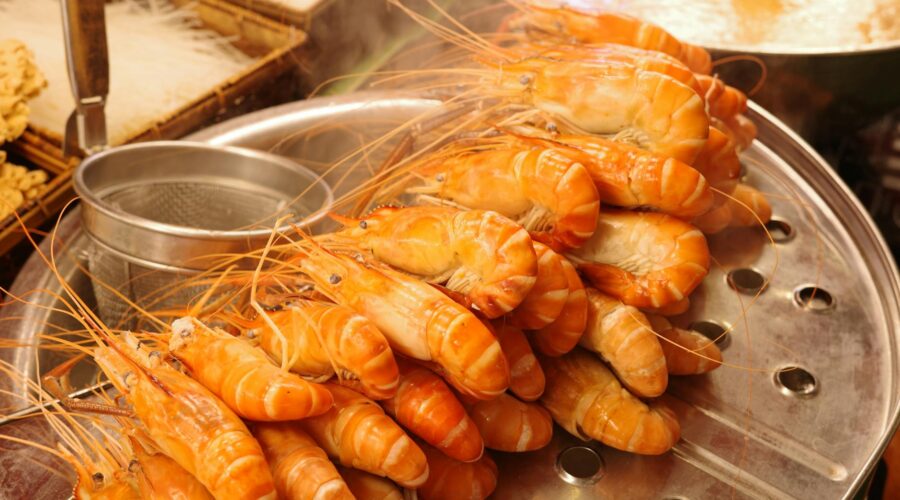
For those seeking delicacy, Cape Verde offers incredible Buzio (conch) and Lagosta (lobster). Arroz de Marisco (seafood rice) is a celebratory dish packed with shrimp, mussels, and crabs, cooked in a fragrant tomato-based rice. Another local favorite is Buzio Refogado, where the conch is slow-simmered until tender in a spicy, savory sauce.
Street Food and Petiscos
Cape Verdean street food is simple but incredibly addictive. If you walk through the streets of Mindelo or Praia in the late afternoon, you are bound to encounter the aroma of frying dough.
- Pastel com Djagacida: These are savory deep-fried turnovers. While they can be filled with meat, the most iconic version is filled with spicy tuna and onions.
- Moreia Frita: Fried moray eel is a staple snack, or petisco, often enjoyed at local bars with a cold beer. It is crispy on the outside and rich on the inside.
- Linguiça: The local spicy sausage is often grilled and served in small bites, showcasing the Portuguese influence on the local palate.
The Sweet Side of the Islands
The Cape Verdean sweet tooth is satisfied by the local abundance of tropical fruits and the colonial legacy of egg-based desserts. Coconut, papaya, and guava are the stars of the dessert menu.
Pudim de Leite (condensed milk flan) is found on every dessert menu, but for something truly local, one must try Doce de Papaia. This is a thick, jam-like preserve made from green papaya and sugar, often served with a slice of salty local goat cheese (Queijo de Terra). The combination of the sweet fruit and the savory, artisanal cheese is a hallmark of the island experience.
Another unique treat is Cuscuz. Unlike the North African grain, Cape Verdean Cuscuz is a moist cake made from corn flour and sugar, steamed in a traditional clay pot called a binde. It is usually served warm with butter and honey or coffee.
A Toast to the Spirit of the Land
No meal in Cape Verde is complete without a glass of Grogue. This is the national drink, a potent rum distilled from sugarcane. Grogue production remains largely artisanal, especially on the islands of Santo Antão and São Nicolau, where oxen still turn the wooden sugar mills (trapiches).
For those who find Grogue a bit too strong, there is Pontche. This is a liqueur made by mixing Grogue with molasses, lime, and sometimes additional flavors like coconut or passion fruit. It is smooth, sweet, and dangerous!
Additionally, the island of Fogo is famous for its Manecom wine. Grown in the volcanic soil of the Chã das Caldeiras, this wine has a unique, earthy profile that cannot be replicated anywhere else in the world.
Cultural Significance and the Concept of ‘Morabeza’
Eating in Cape Verde is a communal activity. The food reflects the spirit of Morabeza—the famous Cape Verdean hospitality. It is common for families to cook large pots of Cachupa to share with neighbors and visitors alike. The slow preparation time of many dishes mirrors the pace of life on the islands, where time is meant to be savored rather than rushed.
Practical Tips for Foodies Visiting Cape Verde
- Follow the Locals: Some of the best food is found in small, unassuming “tascas” rather than high-end hotel restaurants.
- Island Specialties: Every island has a specialty. Try the goat cheese in Santo Antão, the lobster in Sal, and the wine in Fogo.
- The Saturday Tradition: Saturday is the unofficial day for Cachupa. Many restaurants only serve the “Rich” version on weekends.
- Dietary Notes: While seafood is plentiful, vegetarians should focus on “Cachupa Pobre” or “Djagacida” (a savory rice and bean dish), but always ask if meat stock was used.
In conclusion, the traditional foods of Cape Verde are a testament to the country’s history and its resilience. It is a cuisine that makes much out of little, turning humble ingredients like corn and beans into a symphony of flavors that stay with you long after you’ve left the islands.
Image: Pexels – Tony Wu