
UN Declares Slavery Crime Against Humanity, Backs Reparations
In a landmark decision at the United Nations, the General Assembly approved a resolution on Tuesday declaring the trafficking of enslaved Africans and racialized enslavement as the “most serious crime against humanity.” The resolution explicitly advocates for historical reparations, marking a significant shift in the global conversation regarding the legacy of the transatlantic slave trade.
A Divided Global Response
The text, introduced by Ghana and co-sponsored by dozens of member states, passed with 123 votes in favor and three against. However, the vote highlighted a deep diplomatic rift, as 52 of the 193 member states chose to abstain.
While former colonial powers including Portugal, the United Kingdom, Spain, and France abstained, the United States, Israel, and Argentina cast the only “no” votes. In contrast, the resolution saw strong support from the Portuguese-speaking world; Brazil, Timor-Leste, and several African nations including Angola, Cape Verde, and Mozambique voted in favor.
Demands for Restitution and Reform
The approved resolution urges member states to issue formal apologies for the slave trade and contribute to a dedicated reparations fund. It outlines a comprehensive framework for justice, calling for:
- Financial Compensation: Restitution and rehabilitation for the descendants of enslaved populations.
- Legal Reform: Systemic changes to laws and programs to dismantle modern-day racism and discrimination.
- Cultural Repatriation: The immediate, cost-free return of cultural artifacts, monuments, manuscripts, and national archives to their countries of origin.
The document describes the transatlantic slave trade as the most “inhumane and long-lasting injustice” in history, citing its systemic brutality and the “enduring consequences” that continue to marginalize people of African descent today.
The Debate Over Responsibility
While UN General Assembly resolutions are not legally binding, they carry immense moral weight and reflect the pulse of international opinion. Proponents of the resolution viewed it as a necessary step toward reconciliation.
“The adoption of this resolution serves as a safeguard against forgetting,” stated Ghana’s President John Dramani Mahama. “Let it be recorded that, when history called, we did what was right for the memory of the millions who suffered the indignity of slavery.”
However, the abstaining European nations expressed reservations about the legal and historical precedent the resolution sets. James Kariuki, the UK’s acting ambassador to the UN, argued that while the horrors of slavery must never be forgotten, London opposes the creation of a “hierarchy of historical atrocities.”
Kariuki further argued that modern institutions should not be held legally liable for actions that occurred centuries ago. “There is no obligation to repair historical acts that, at the time they were committed, did not constitute violations of international law,” he stated.
Looking Forward
The resolution encourages nations to increase voluntary contributions toward education regarding the slave trade. It also calls for a coalition between the African Union, the Caribbean Community (CARICOM), and the Organization of American States to work with the UN toward a future of “reparative justice and reconciliation.”
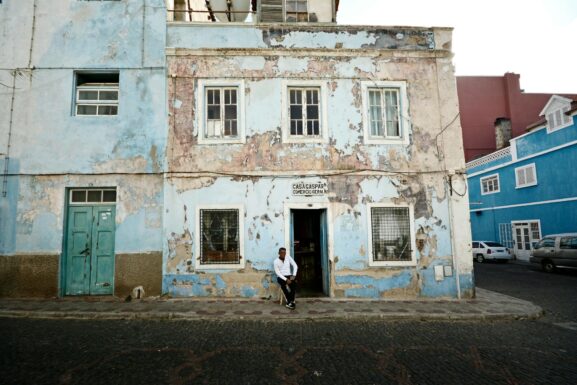
Image: Pexels – Christian Wasserfallen