Cape Verde President Warns of Plastic Crisis on Santa Luzia
A pristine island paradise in Cape Verde is being suffocated by hundreds of tons of foreign plastic waste, prompting President José Maria Neves to call for urgent international intervention. During a visit to the uninhabited Santa Luzia Island on Saturday, the President announced plans to elevate the local environmental crisis to the global stage.
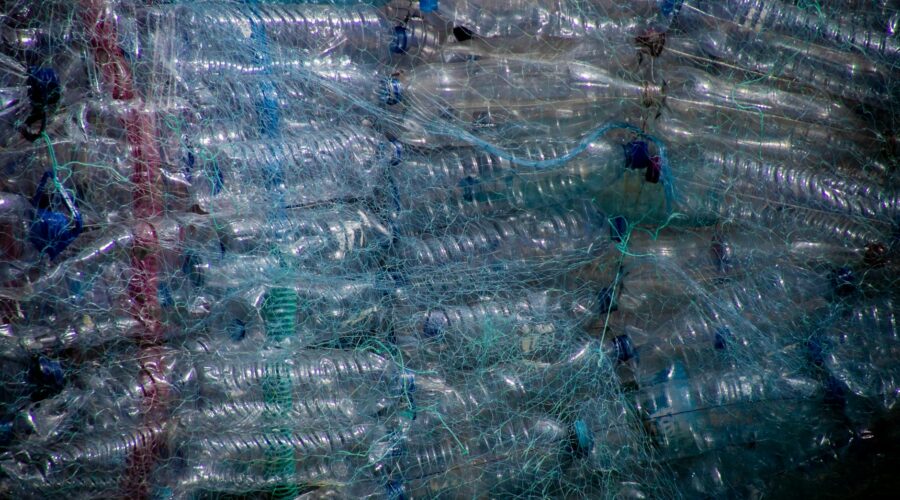
Located just 10 kilometers east of São Vicente, Santa Luzia is a designated environmental reserve and a globally significant nesting site for sea turtles. However, the island’s northern beaches are currently blanketed by a “carpet” of plastic, primarily composed of industrial fishing gear and nets discarded by international fleets and carried to the shore by ocean currents.
A Call to the Global Stage
President Neves, a patron of UNESCO’s “Ocean Decade” initiative, plans to make the Santa Luzia crisis a centerpiece of the V Ocean Decade Conference this July on the island of Boa Vista. “We intend to debate this issue, bring it to the public agenda, and mobilize international partners,” Neves stated.
As the African Union’s champion for natural and cultural heritage, Neves also intends to press regional neighbors and international fishing powers. He specifically cited the need to address marine litter within the West African regional fisheries commission and during future negotiations with the European Union.
“The future of Cape Verde is the sea,” Neves said, emphasizing that the ocean must be managed as a “strategic resource” rather than a dumping ground for the region’s fishing industries.
The “Ghost Fishing” Threat
The scale of the pollution is staggering. Tommy Melo, co-founder of the environmental NGO Biosfera, estimates that 700 to 800 tons of waste have already been collected and stockpiled on the island over the last 15 years. Every annual cleanup campaign adds another 70 tons to the pile.
The impact on local wildlife is devastating. “Nets arrive on the beach with dead marine animals already inside,” Melo explained. This “ghost fishing” occurs when abandoned nets continue to trap and kill marine life for decades. For the thousands of turtles that lay eggs on Santa Luzia between June and October, the plastic represents a lethal obstacle course. Adult turtles and hatchlings frequently become entangled in surface litter or buried debris, leading to mass fatalities.
A Circular Solution
While Biosfera mobilizes up to 150 volunteers annually to clear the beaches, removing the waste from the remote island remains a logistical nightmare. The trash is currently stored in improvised enclosures because a viable transport and recycling solution has yet to be established.
President Neves expressed his intent to bridge this gap by bringing together NGOs, government authorities, and fishing vessel owners to find ways to collect, transport, and finally recycle the accumulated plastic.
The United Nations Resident Coordinator in Cape Verde, Patrícia Portela de Souza, who joined the presidential delegation, called for a “strong agreement” to stop the waste at its source. “We are shocked by the amount of trash that arrives here. There must be a global discussion on how to work with nations in a more coordinated way to prevent this waste from being thrown into the sea in the first place.”
Image: Pexels – Magda Ehlers