Tourism and Invasive Species Threaten Madeira’s Forest
Mass tourism and the spread of invasive species are emerging as the most significant threats to Madeira’s iconic laurel forest, according to a leading researcher. José Maria Fernández-Palacios, a professor at the University of La Laguna in the Canary Islands, issued the warning during a ceremony in Funchal celebrating the 25th anniversary of the forest’s designation as a UNESCO World Natural Heritage site.
A Fragile Ecological Relic
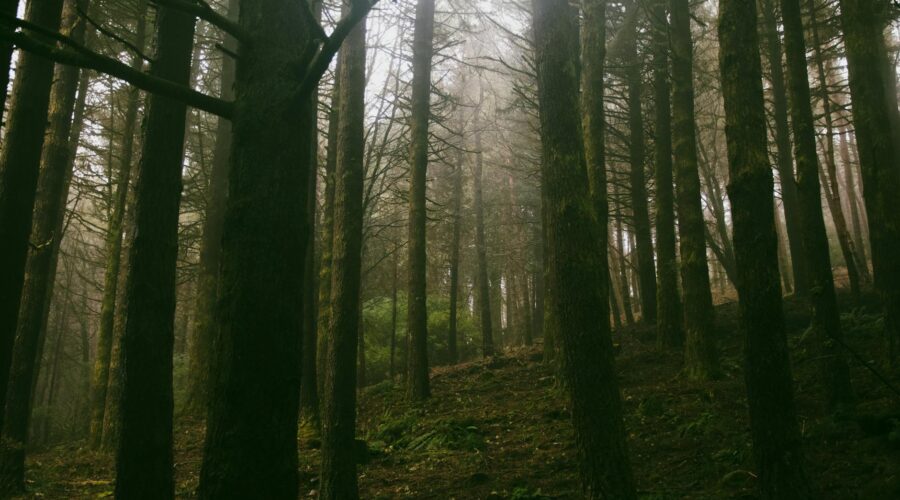
The laurel forest, or Laurissilva, is an ecological treasure. While it once covered vast swaths of the Mediterranean basin, it now exists only in the Macaronesian archipelagos of Madeira, the Azores, the Canary Islands, and Cape Verde. Fernández-Palacios noted that only 10% of the original forest remains across the entire region, and its general state of conservation elsewhere is “quite poor.”
“One exception is Madeira and another is La Gomera in the Canary Islands,” Fernández-Palacios explained. “Both are UNESCO sites because they are two areas of well-preserved laurel forest.”
However, the expert warned that different economic models are straining these ecosystems. While the Azores face pressure from agriculture and livestock, Madeira and the Canary Islands are grappling with the impact of millions of visitors. Madeira currently hosts approximately three million tourists annually, while the Canary Islands see 17 million.
Tourism vs. Preservation
Fernández-Palacios expressed concern that many visitors do not appreciate the delicate nature of the forest. “The majority of tourists are unaware of the natural value of our archipelagos,” he said, suggesting that those who do not intend to respectfully hike the trails are better off staying at their resorts to minimize environmental pressure.
Miguel Albuquerque, President of the Regional Government of Madeira, pushed back against the label of “mass tourism,” stating it is “not an issue that arises” for the island. Instead, Albuquerque described the challenge as one of “coordination,” focusing on managing congestion at popular hotspots and diversifying trail offerings to spread out the human footprint.
“When people visit this unique heritage, they should have the opportunity to properly enjoy the richness it has to offer,” Albuquerque said.
The High Cost of Conservation
The regional government maintains that the primary battle is not against people, but against invasive flora. Albuquerque emphasized that keeping exotic plants at bay requires “constant government investment.” Approximately 65% of Madeira is classified as a reserve, a status that necessitates millions of euros for monitoring, rehabilitation, and the maintenance of Forest Police and Nature Warden corps.
Albuquerque also voiced frustration with international bodies, noting that while institutions are quick to award “medals and ovations” for conservation, they are often slow to provide the necessary funding for maintenance.
Celebrating 25 Years of Heritage
Madeira’s laurel forest covers 15,000 hectares—roughly 20% of the island. Recent reports from the International Union for Conservation of Nature (IUCN) suggest the forest remains in good condition thanks to proactive fire risk reduction and invasive species control.
The anniversary program, titled “25 Years of Recognition, Millions of Years of Forest,” continues through Saturday. Organized by the Institute of Forests and Nature Conservation (IFCN), the event features conferences and technical visits with international experts aimed at securing the future of this ancient ecosystem.
Image: Pexels – Jacint Bofill