Júlio de Carvalho, Cape Verdean Military Pioneer, Dies at 81
Júlio de Carvalho, the pioneering first commander of the Cape Verdean Armed Forces and a cornerstone of the nation’s independence movement, died on Tuesday in the city of Praia. He was 81. The Association of Freedom Fighters of the Fatherland confirmed his passing, noting that the veteran leader had been battling cancer.
Known affectionately by his comrades as “Julinho,” de Carvalho was celebrated as a tireless patriot whose life was defined by sacrifice and an unwavering commitment to the sovereignty of Cabo Verde.
From Student to Revolutionary
Born in Mindelo on the island of São Vicente on January 27, 1943, de Carvalho’s journey into political activism began far from home. In 1961, he traveled to Portugal to study chemical engineering. However, his academic path was soon superseded by the call for liberation.
By late 1964, under the mentorship of future President Pedro Pires, de Carvalho began mobilizing Cape Verdean emigrants in France to join the African Party for the Independence of Guinea and Cape Verde (PAIGC). His commitment took him across the globe; he received military training in Algeria and specialized guerrilla tactics in Cuba. While early plans to launch an armed struggle directly on Cape Verdean soil did not materialize, his military expertise became vital to the regional liberation movement.
A Commander on the Front Lines
In 1968, de Carvalho joined the armed struggle in Guinea-Bissau. Serving as an artillery commander on the southern front, he played a private role in the historic seizure of the Guiledge barracks, a significant victory against colonial forces.
Following the Carnation Revolution in Portugal on April 25, 1974, de Carvalho transitioned from the battlefield to the diplomatic table. He was a key participant in the initial negotiations with the Portuguese military to establish a ceasefire in Guinea-Bissau. He remained there for five years, serving as the political commissioner of the Armed Forces before returning to his homeland.
Building a New Nation
In the post-independence era, de Carvalho became a central figure in the Cape Verdean government. Serving under the African Party for the Independence of Cape Verde (PAICV), he held the critical portfolios of Minister of the Interior and Minister of Defense and Security. His leadership was instrumental in shaping the young nation’s security infrastructure and military identity.
In his later years, de Carvalho transitioned into private life on the island of Sal, where he established himself as a respected businessman. He remains a symbol of the revolutionary generation that steered Cabo Verde from colonial rule to independence.
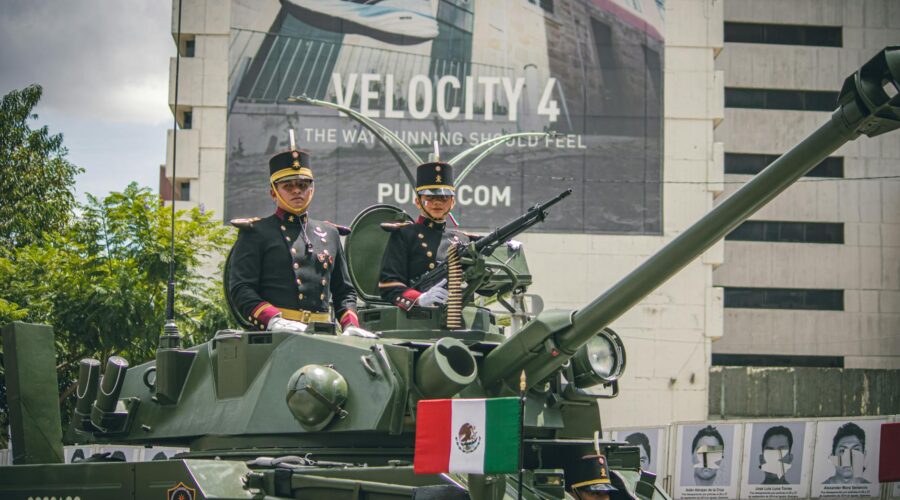
Image: Pexels – Moisés Fonseca