Guinea-Bissau Releases Opposition Leaders After Protest Crackdown
Police in Guinea-Bissau released several prominent opposition leaders on Thursday after detaining them during a morning of failed street protests in the capital, Bissau. The leaders were swept up by security forces while attempting to organize demonstrations against what they describe as “abuses of power” and a “lack of democracy” under President Umaro Sissoco Embaló.
Family and party sources confirmed the release of Joana Cobde Nhanca, leader of the Social Democratic Movement (MSD), and Vicente Fernandes, head of the Democratic Convergence Party (PCD). Additionally, several leaders from the African Party for the Independence of Guinea and Cape Verde (PAIGC)—including Dan Yala, Wasna Papai Danfa, António Patrocínio Barbosa, and Abdu Sambu—were freed. However, the status of PAIGC spokesperson Muniro Conté remains unclear.
Street Clashes and Tear Gas
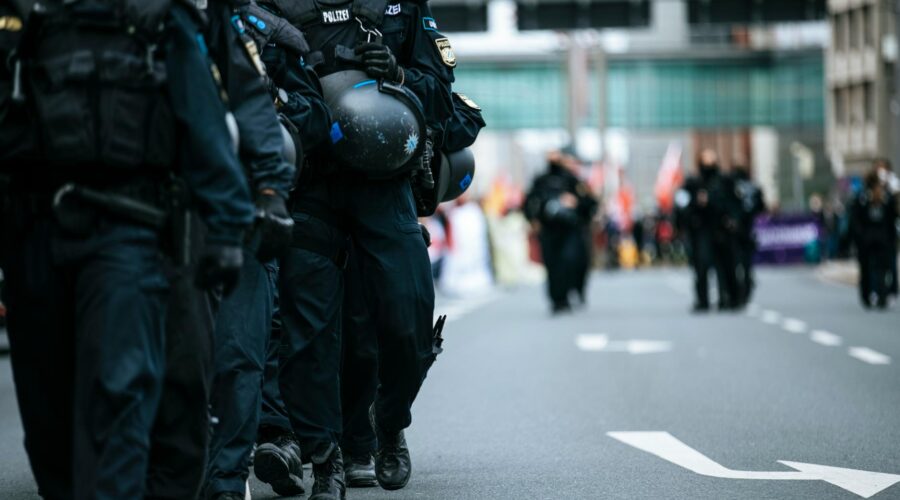
The detentions occurred as the Public Order Police (POP) moved to intercept marches organized by two major political coalitions: PAI-Terra Ranka (Inclusive Alliance Platform) and API (Inclusive Patriotic Alliance). Witnesses reported that police used batons and tear gas grenades to disperse the crowds and prevent the protesters from gathering in the streets of the capital.
Despite the crackdown, President Umaro Sissoco Embaló dismissed the unrest, stating that street protests are unnecessary because he remains “open to dialogue” with the nation’s political factions.
Election Delay Stokes Tensions
The political climate in the West African nation has grown increasingly volatile following the postponement of snap legislative elections. Originally scheduled for this coming Sunday, November 24, the vote was pushed back after a presidential decree cited a lack of technical and financial resources.
The opposition has reacted fiercely to the delay, calling for a massive nationwide demonstration this Sunday. Organizers have characterized the current political environment as a “dictatorship worse than that of the colonial era,” signaling that the release of their leaders is unlikely to quell the burgeoning protest movement.
Image: Pexels – Markus Spiske